Remember when a car’s biggest worry was a flat tire? Today, your vehicle faces threats that can spread across continents in minutes.
The Breaking Point
Picture this: A single hack doesn’t just affect one car anymore. In 2025, automotive cybersecurity incidents more than tripled in their ability to impact multiple business units globally. Out of 610 cyber incidents recorded worldwide, 161 became what experts call “global incidents” – meaning they disrupted operations across entire regions and supply chains.
Think of it like dominoes. When Jaguar Land Rover fell victim to a cyber attack in August, it didn’t just slow down one factory. Production halted across plants in the UK, Slovakia, China, and India simultaneously. The financial damage? Nearly £2 billion. That’s the scale we’re talking about now.
Where the Real Danger Lurks
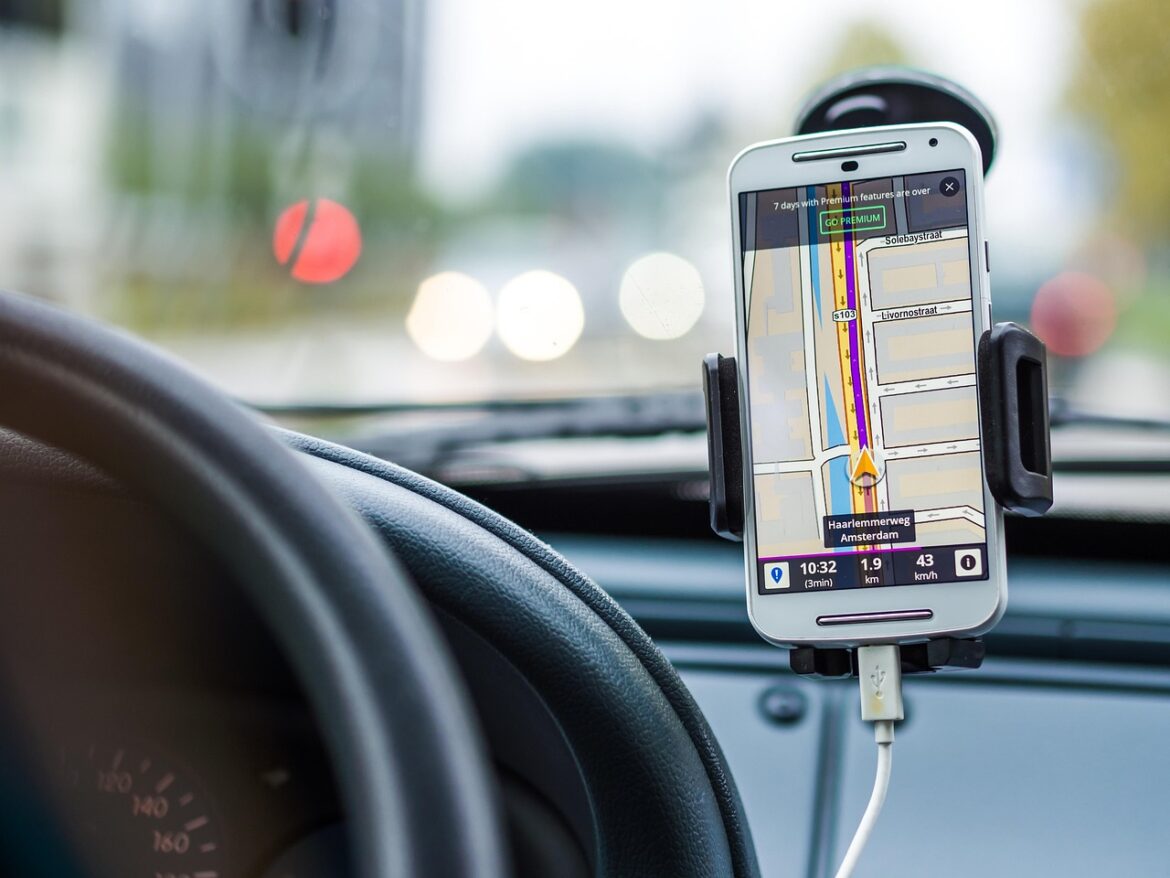
Here’s what caught many manufacturers off guard: attackers aren’t just targeting the business side anymore. They’re moving into the systems drivers interact with daily – your infotainment systems, navigation, and connected features. Nearly 40% of observed attacks now target in-vehicle systems directly.
This matters because when these systems fail, you notice immediately. Your car might not start, navigation stops working, or door locks become unresponsive. Suddenly, cybersecurity isn’t just a technical headache – it’s your safety and trust on the line.
The Accountability Gap
Here’s the uncomfortable truth: while cars have become more connected and complex, the responsibility for security remains fragmented. Enterprise IT teams, vehicle manufacturers, software suppliers, and cloud providers all share blame territory, but nobody owns it completely.
As vehicles become essentially rolling computers with wheels, they now connect to enterprise systems, cloud infrastructure, and other vehicles simultaneously. A weakness anywhere in this web becomes everyone’s problem, but fixing it requires coordination that simply isn’t happening fast enough.
What This Means for You
The average vehicle today has around 204 reported problems per 100 cars, with many linked to software and connectivity issues. These vulnerabilities don’t just affect convenience – they increasingly impact driver safety and data privacy. Your driving patterns, location history, and personal information are valuable commodities that hackers want.
The automotive industry faces a crossroads. Manufacturers must choose between building security into vehicles from the ground up or playing catch-up forever. Until they do, staying informed about your car’s connectivity features and updating software when available remains your best defense.
References:
- https://vicone.com/reports/2026-automotive-cybersecurity-report
- https://www.youtube.com/watch?v=ZmmlKfucWc4
- https://www.insurancenews.com.au/analysis/big-breaches-the-top-cyber-incidents-of-2025
- https://www.youtube.com/watch?v=7m2WBMjWaSM
- https://policyoptions.irpp.org/2026/02/chinese-electric-vehicles/
- https://www.automotivemanufacturingsolutions.com/smart-factory/cybersecurity-now-tops-production-concerns-as-smart-factories-expand-vulnerabilities/2607302
- https://www.designnews.com/automotive-engineering/j-d-power-s-2026-worst-car-brands-for-dependability