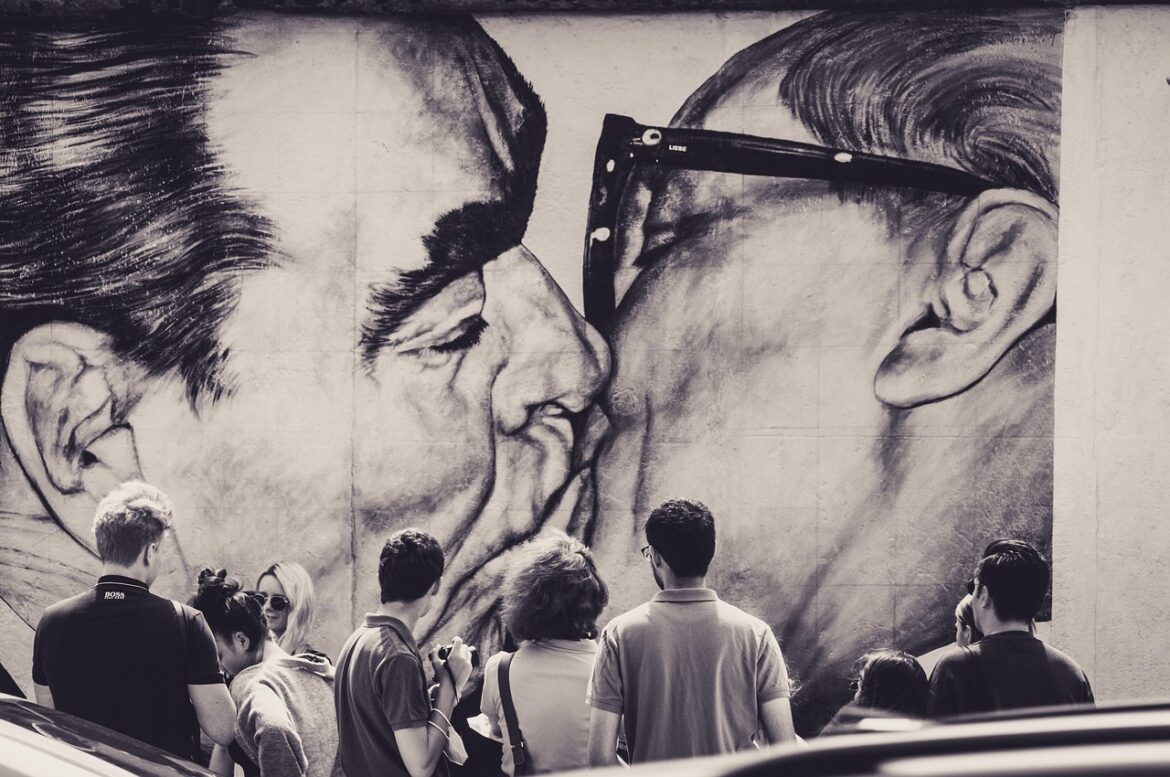
Hook: Two dozen artists crowd into a Brooklyn gallery, a neighborhood school paints a mural together over a week, and a multigenerational pottery class passes a single clay form around the table — each scene shows a different way teamwork reshapes art and the people who make it.
What I found (quick snapshot):
- Community art groups are using collaborative projects to connect youth and neighborhoods.
- Galleries and exhibitions are foregrounding collective fiber and textile practices as shared labor and storytelling.
- Local studios and camps turn small-group workshops into social labs where skills and relationships grow together.
1) Youth murals that stitch neighborhoods together Why it matters: Local nonprofits are hiring professional muralists to guide groups of schoolchildren and teens in painting large-scale, community-facing murals — a hands-on practice that teaches teamwork, project planning, and civic pride.
Concrete example: A San Diego arts organization runs school mural programs and studio camps where youth collaborate with an artist to design and execute site-specific work, then celebrate the result with the neighborhood. The structure — artist mentor + youth team — keeps projects ambitious but manageable and creates visible community ownership.
Takeaway: Teamwork here equals shared responsibility and a public artifact that keeps giving back to the community.
2) Group shows that foreground making as a shared act Why it matters: Large exhibitions focused on fiber and textiles highlight how many hands, rituals, and time-based processes come together in a single object, reframing craft as collective culture rather than solitary hobby.
Concrete example: A New York group exhibition gathered 20-plus textile artists whose work — weaving, embroidery, jacquard-mapped collages — emphasizes process, texture, and sometimes literal collaboration (weavers, digital designers, dyers). The curatorial choice invited viewers to value slow, cooperative labor.
Takeaway: Exhibitions can teach audiences to read artworks as the result of networks of makers, tools, and histories rather than lone genius.
3) Studio programs and adult workshops as low-stakes collaboration labs Why it matters: Adult classes — from pottery wheel co-working to guided paint-by-number evenings — are becoming social rituals where people test ideas, swap tips, and finish projects together without high pressure.
Concrete example: Community studios offer day camps and evening classes where participants work on individual pieces but in a shared rhythm: an instructor demonstrates, people pass tools, and finished works are sometimes combined into group shows or installations.
Takeaway: These settings turn skill-building into relationship-building, and the artifacts become reminders of shared time.
Practical tips to apply in your team (easy to try next week):
- Start with a shared brief: agree on a common theme and one clear deliverable.
- Mix roles: pair a technical lead with a relationship or outreach lead so both craft and collaboration are paced.
- Build small rituals: opening sketch sessions, mid-project check-ins, and a final public moment (even a photo) anchor teamwork.
- Reuse public display: put collaborative outcomes in communal spaces to extend impact.
Expert note: Practitioners emphasize mentorship (artist + group) and visible outcomes (murals, exhibitions, shows) as the glue that turns activity into lasting collaboration.
Final image in your mind: a long wall of paint where different hands picked different colors, a woven panel where threads from many makers cross, and a studio table scattered with tools — all proof that art, at its best, happens when people show up together.
References: