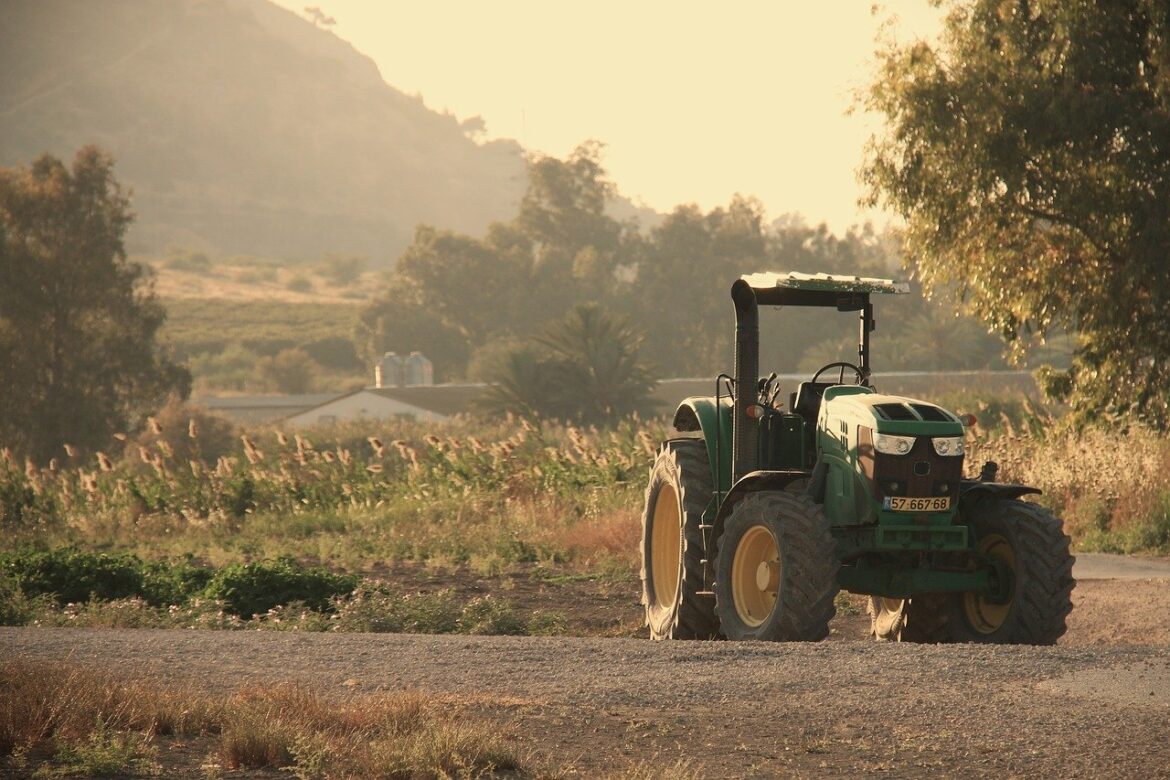
Imagine standing in your field, watching a drought suck the life out of your crops while guilt gnaws at you like a relentless storm cloud. That’s the reality for many farmers these days, as extreme weather turns their passion into a mental battlefield.
Farmers Feeling the Climate Crunch
In Ontario, Canada, a deep dive by University of Guelph researchers reveals how wild weather swings are pushing farmers to the edge. Picture this: 36 farmers, all hit by droughts, floods, or disease outbreaks, opening up about waves of panic, guilt, and hopelessness. One farmer told researcher Rochelle Thompson how each failed harvest feels like a personal failure, even when Mother Nature’s the real culprit. “There’s so much uncertainty,” Thompson shares, “they wonder how many hits they can take before throwing in the towel.”
Her PhD boss, Andria Jones, who’s surveyed thousands of Canadian farmers over a decade, says these aren’t just bad days—they’re a growing crisis. Think of it like a slow-building thunderhead: climate change plus pandemics is piling on the pressure. Upcoming surveys will track if things are worsening, and they’re zooming in on underrepresented folks like Black, LGBTQ+, and women farmers. A symposium next month aims to connect them and spark real fixes. If you’re a farmer, jumping into these studies could be your chance to shape the conversation.
- Guilt from losses: Losing crops to floods feels like letting down family and community.
- Panic in uncertainty: Will next season bring more extremes?
- Hopelessness hits hard: Some question if farming’s sustainable anymore.
This isn’t abstract—it’s real people staring down barreling storm fronts, needing support to weather the mental storm.
Pollution’s Sneaky Mind Fog
Shift gears to city streets, where invisible smog acts like a toxic fog rolling into your brain. The European Environment Agency’s latest briefing hammers home that air pollution, noise, and chemicals are jacking up depression and anxiety risks. Long-term exposure to fine particles like PM2.5 or nitrogen dioxide? It’s linked to higher chances of depression kicking in or worsening. Even short spikes can crank up anxiety or trigger bipolar episodes.
Noise is the sneaky villain too—road traffic bumping up 4% in suicide rates per 10 decibels, aircraft noise hiking depression odds by 12%. Experts like those in recent reviews say even tiny pollution cuts could ease the mental load population-wide. It’s like clearing the air not just for lungs, but for clearer heads. EU voices are calling for urgent action, warning these weather-tied pollutants (think smoggy heatwaves) are fueling a mental health emergency we can’t ignore.
Cold Snaps and Cabin Fever
Fast-forward to early March 2026 in Hamilton, Ontario—a Cold Weather Alert drops temps to minus 15 Celsius or wind-chill minus 20. The Medical Officer of Health urges everyone indoors, but for the homeless and vulnerable, it’s a frozen nightmare. Frostbite, hypothermia loom large, and isolation amps up mental strain. Warming centers at rec facilities and libraries open wide, part of a winter strategy running through March.
Picture bundled-up folks checking on neighbors, sipping warm drinks (skip the booze), layering up like onions. “Wind makes it feel brutally colder,” officials note, spiking health risks. This isn’t just physical—extreme cold traps people inside, breeding loneliness and stress, especially for those without a warm hearth.
- Layer smart: Dry inner layers, wool socks, cover extremities.
- Stay connected: Call vulnerable loved ones.
- Warm spots: Libraries and centers as havens.
Broader Chills: Men’s Mental Health Slide
Zoom out to Canada-wide trends, where young men aged 15-24 are reporting plummeting mental health. Self-rated “very good” or “excellent” dropped from 70% to 52% between 2012-2022. Mood disorders up to 16%, anxiety to 10%. High-risk groups—veterans, Indigenous men, 2SLGBTQIA+, incarcerated folks—face suicide spikes amid social barriers.
Tie this to weather? Harsh winters and isolation exacerbate it all. Programs push for better access, with questionnaires open till June 2026 to gather input. It’s a call to action: men’s mental health is weathering a perfect storm of factors.
Everyday Wins Against the Weather-Mood Blues
These stories spotlight how extreme weather—droughts, pollution spikes, icy blasts—weaves into our mental fabric. Farmers need resilience networks, cities cleaner air, communities warmer outreach. Experts like Jones emphasize bridging gaps: understanding these fights ensures food security and support for all.
Small steps? Check on a farmer friend, advocate for green policies, bundle up and connect during alerts. Like fortifying your home against a gale, building mental buffers now pays off. These real tales remind us: weather shapes more than landscapes—it molds minds too. Stay aware, stay supportive.
References:
- https://thenarwhal.ca/farmer-mental-health-research/
- https://www.eea.europa.eu/en/analysis/publications/pollution-and-mental-health-current-scientific-evidence
- https://www.euronews.com/health/2026/03/05/urgent-action-needed-as-pollution-fuels-mental-health-risks-eu-agency-warns
- https://www.hamilton.ca/city-council/news-notices/news-releases/cold-weather-alert-march-1-2026
- https://www.canada.ca/en/health-canada/services/healthy-living/improving-health-men-canada.html