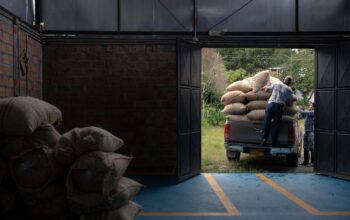
Weather Storms Rocking Supply Chains in 2026
Imagine your truckload of goods stuck in a snowdrift, while shoppers panic-buy generators back home. That’s not a movie plot—it’s the harsh reality hitting supply chains this winter. Extreme weather isn’t just messing with your weekend plans; it’s grinding global trade to a halt, from Polish construction sites buried in snow to ports paralyzed by storms. Let’s dive into five trending stories showing how Mother Nature is flexing her muscles on business networks, and what smart leaders are doing to fight back.
1. Poland’s Deep Freeze: Construction Grinds to a Halt
Picture this: January 2026 in Poland feels like a throwback to the icy ’80s, with frosts so brutal they turned construction into a ghost town. Output plummeted 12.8% year-on-year—building sites down 17.4%, civil engineering off 7.5%, even indoor specialized work dropped 11.9%. Why? You can’t lay pipes or wires when your fingers are freezing off.
Industry took a hit too, with output falling 1.5%. Snow snarled transport, delaying deliveries and jacking up energy costs as factories cranked the heat. Experts say it’s a wake-up call: projects tied to EU recovery funds are now lagging, but warmer months could spark a boom if teams play catch-up.
- Key lesson: Weather doesn’t care about deadlines. Buffer your schedules with seasonal buffers.
- Pro tip from analysts: Expect monetary easing to juice investments once the thaw hits.
2. Severe Winter Storms: The Domino Effect Across America
Severe winter storms are like that first domino in a chain reaction—knock one over, and everything topples. Trucks skid off roads, ports freeze up, factories shut down, and warehouses turn into iceboxes. But here’s the kicker: demand explodes for groceries, water, generators, and snow gear.
This sparks the bullwhip effect—a small delay leads to panic buying, overproduction, and inventory chaos. Retailers face stockouts in hours, even if goods are just stuck in transit. Supply chain vets compare it to a whip cracking: the farther from the storm, the wilder the swing.
To toughen up:
- Diversify trucks, rails, and cross-docks.
- Track shipments live with weather overlays.
- Ditch single suppliers in risky spots.
One executive nailed it: Storms aren’t surprises anymore—they’re tests of your network’s grit.
3. Global Disruptions Accelerate: 33% More Alerts in 2025
Hold onto your hard hats—2025 saw supply chain alerts jump 33%, from 44,000 to 59,000. Natural hazards like floods, droughts, and wild weather spiked 27%, with medium and high-severity events surging 74% and 21% respectively. Europe, Latin America, and APAC got hammered hardest.
Katie Ferrier from Achilles puts it bluntly: “It’s not just more disruptions; they’re meaner, fueled by climate shifts and geopolitics.” Think rerouted ships dodging storms, plus sanctions tangling everything up. Businesses without real-time visibility are like sailors without radar—lost at sea.
4. Climate Chaos Reshapes Food and Supplier Networks
Climate worries hit 18% of execs, weather disruptions 14%, and poor harvests are now a top risk. Nearly half of firms face climate threats head-on. Small businesses freak over Ukraine fallout (30% impacted), while big ones sweat global harvests wiped by droughts.
Geopolitics adds fuel: Red Sea chaos forces Suez detours, hiking costs. Spreadsheets? Useless. Unified data is the hero, giving hourly insights into affected suppliers and backups. It’s like having a crystal ball for your supply web.
5. Floods and Droughts Jack Up Global Debt Costs
Climate disasters aren’t just local headaches—they ripple to wallets worldwide. Floods that wrecked supply chains also sparked massive rebuilds, shaking investor nerves. Sovereign bond yields spike post-shock, especially for droughts and storms.
Developing countries feel it worst: immediate yield jumps due to agri dependence. High-debt nations see prolonged pain. ECB researchers warn: Ignore this, and borrowing costs stay sky-high, squeezing supply investments further.
Building Your Weather-Proof Fortress
These stories scream one truth: Weather volatility is the new normal, turning one-off headaches into chronic pains. Construction feels partly cloudy with volatility chances, per industry reports. But resilience is your superpower.
Chat with experts like Ferrier, and they’ll say: Map tier-2 and -3 suppliers, hoard smart (not blindly), and integrate weather into forecasts. Concrete example? Firms diversifying carriers sailed through recent storms while others scrambled.
In a world of rerouted ships and frosty factories, adaptability wins. Treat weather like a sparring partner—train hard, stay flexible, and you’ll come out stronger. Your supply chain doesn’t have to be a house of cards in the wind.
References:
- https://www.supplychaintoday.com/how-a-severe-winter-storm-impacts-supply-chain/
- https://www.ideagen.com/thought-leadership/blog/how-unified-data-is-reshaping-food-safety-and-supply-chain-resilience
- https://www.achilles.com/industry-insights/achilles-analysis-finds-global-supply-chain-disruption-accelerates-in-2025/
- https://think.ing.com/snaps/weather-cooled-down-polands-economy-in-early-2026/
- https://www.dpr.com/view/q1-2026-market-conditions-report
- https://www.ajg.com/se/news-and-insights/features/redrawing-global-supply-chains-survey/
- https://www.ecb.europa.eu/press/blog/date/2026/html/ecb.blog20260219~5954458037.cs.html
- https://greenmoney.com/sustainability-and-climate-in-focus-trends-to-watch-for-2026/
- https://www.gavi.org/vaccineswork/six-major-health-threats-could-shape-2026-heres-what-experts-are-watching