Weather’s Wild Ride: Supply Chains in the Hot Seat
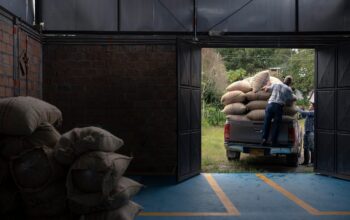
Picture this: a massive flood turns thriving rubber plantations into underwater wastelands, sending tire prices skyrocketing worldwide. That’s not a movie plot—it’s Thailand in late 2025, and it’s a wake-up call for 2026 supply chains everywhere.
1. Extreme Weather Climbs Risk Charts
Everstream Analytics just dropped their 2026 Risk Report, naming extreme weather intensification as one of the top four threats to global supply chains. Think wildfires scorching U.S. farmlands, record hurricanes battering coasts, and droughts choking crops. “It’s like a perfect storm hitting procurement and production,” says an industry expert, pointing to failed harvests that jack up food prices and scramble logistics.
- Wildfires and hurricanes in the U.S. slashed yields this year alone.
- Droughts and floods abroad created unsustainable price hikes for consumers.
- Up to 60% of business costs tie back to these vulnerable “first mile” sourcing spots.
2. Real-World Disruptions: Thailand’s Flood Fiasco
Allianz’s Risk Barometer 2026 ranks climate change at #6 globally, but business interruption—like supply bottlenecks from storms—is the biggest fear for 63% of execs. Denise De Bilio from Allianz Commercial highlights Thailand’s November floods: rubber output could drop by 90,000 metric tons, a $140 million hit. That’s ripple effects for car makers, airlines, everything needing tires. “One region’s deluge becomes everyone’s headache,” she notes.
3. Tech to the Rescue: Satellites and AI Step In
Companies aren’t just sitting ducks. Satellite imagery gives a bird’s-eye view of at-risk farms, while AI crunches weather data to predict harvest flops. Businesses can switch suppliers or boost resilience before disaster strikes. “Preventing chaos is cheaper than cleaning it up,” experts agree. In 2026, climate-resilient ops will be boardroom must-haves, blending forecasts with action.
4. Broader Ripples: Energy, Food, and More
S&P Global flags water stress and extreme weather hammering food systems and supply chains. Heatwaves cut ag yields; floods disrupt logistics. Meanwhile, Allianz warns of energy glitches from droughts hitting power plants. Consumer goods firms face converging risks—weather plus geopolitics—turning global networks into fragile webs.
- Physical damage to factories from storms: 57% concern.
- Chronic issues like sea rise and heat: 40% worry.
- Energy supply hiccups from water shortages.
What It Means for You
For supply chain pros, 2026 screams adaptability. Like rerouting a road trip around a blizzard, smart firms use tech for detours. Proactive moves—like diversifying sources or climate-proofing plans—cut losses and keep shelves stocked. As extreme events outpace predictions, those who act first will thrive while others scramble.
References:
- https://www.environmentenergyleader.com/stories/from-forecasts-to-action-how-tech-will-power-climate-resilient-operations-in-2026,111604
- https://logisticsviewpoints.com/2026/01/16/supply-chain-and-logistics-news-january-12th-15th-2026/
- https://commercial.allianz.com/news-and-insights/expert-risk-articles/allianz-risk-barometer-2026-climate-change.html
- https://nordicsustainability.com/insight/6-sustainability-trends-shaping-businesses-in-2026/
- https://www.spglobal.com/en/press/press-release/sp-global-unveils-top-10-sustainability-trends-to-watch-in-2026
- https://cascale.org/resources/blogs/from-global-risk-to-supply-chain-reality-what-2026-is-telling-the-consumer-goods-industry/
- https://www.mitigasolutions.com/blog/climate-risk-predictions-2026
- https://www.weforum.org/press/2026/01/global-risks-report-2026-geopolitical-and-economic-risks-rise-in-new-age-of-competition/