Hook: Imagine the car you knew being rebuilt from the inside out — not just with a new engine, but with new brains, new bones and new safety rules. That’s exactly what’s happening right now in automotive engineering.
Overview: This piece breaks five real-world engineering trends into short stories you can use at work: what changed, who’s doing it, and one practical takeaway for teams and managers.
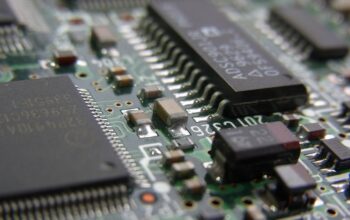
— Software-Defined Vehicles (SDVs): Cars that update like your phone What’s happening: Automakers are centralizing vehicle functions into software platforms so cars can gain features via over-the-air updates instead of hardware retrofits.
Real-world angle: Tier-1 suppliers and chipmakers are racing to supply SoCs and full stacks for SDVs; companies such as BMW, Mercedes and others are deploying Level 2+ systems in production cars.
Why it matters to engineering teams: Hardware becomes a commodity and software controls differentiation — so software architecture, validation rigs and cybersecurity become primary engineering investments.
Practical takeaway: Start treating vehicles as long-lived software products. Build processes for continuous integration, OTA validation and cross-discipline debugging that include firmware, cloud and vehicle test fleets.
— Gigacasting: One big cast to replace dozens of parts What’s happening: Automakers are adopting large high-pressure aluminum die-casting to make single-piece frames and substructures that used to be many stamped parts welded together.
Real-world angle: Plants are retooling to install megacasting machines and redesign body structures to exploit one-piece casts, lowering part count and assembly time.
Why it matters to engineering teams: Design constraints shift — instead of many small stamped blanks, engineers design for castability, thermal shrink, and new joining/repair processes.
Practical takeaway: Encourage early collaboration between casting, structural and repair teams; update repair manuals and calibration procedures to reflect large-piece replacements rather than panel-level repairs.
— Thermal management for EVs: New heat problems need new solutions What’s happening: Electrification moved the thermal focus from engine heat to batteries, power electronics and charging hardware; lightweight heat shields and modular thermal packs are becoming common.
Real-world angle: Suppliers are developing integrated heat shields and battery-specific thermal barriers as EV platforms adopt flat floors and denser electronics.
Why it matters to engineering teams: Thermal engineering now touches safety (thermal runaway prevention), range (heat losses) and manufacturability (assembly and serviceability).
Practical takeaway: Treat battery packs and power electronics as systems that require early-stage thermal design and service planning, not late-stage add-ons.
— Advanced materials and composites: Practical limits, practical wins What’s happening: Carbon fiber and high-performance composites promise big weight savings but face cost and cycle-time barriers for mass-market adoption.
Real-world angle: Joint ventures and pilot programs exist, but large-scale CFRP use in high-volume segments remains limited; manufacturers focus composites where payback is clear (EV subframes, niche performance parts).
Why it matters to engineering teams: Materials choices now balance weight, cost, repairability and production speed — not just raw performance.
Practical takeaway: Prioritize composites where lifecycle value is clear (EV range, performance models) and invest in repair and inspection procedures up front.
— Perception sensors and lidar: Safer sensing, different trade-offs What’s happening: Lidar and advanced camera-lidar stacks are moving from R&D fleets into production driver-assist and robo-taxi programs, with companies optimizing wavelengths and cost models.
Real-world angle: Robotaxi pilots and fleet operators are validating lidar-based stacks on public roads; vendors are refining wavelengths and sensor placements to balance cost, safety and regulatory acceptance.
Why it matters to engineering teams: Sensor fusion, calibration and field-serviceability are now core engineering problems; perception errors have direct safety and warranty implications.
Practical takeaway: Invest in calibration workflows, field diagnostics and modular sensor mounts — and plan for frequent software model updates as perception algorithms improve.
Key lessons for leaders and engineers:
- Move earlier in the design cycle: software architecture, castability, thermal strategy and sensor calibration should be defined in concept phase.
- Cross-functional teams win: pair software architects with hardware, casting experts with crash engineers, and thermal folks with packaging and safety engineers.
- Think lifecycle: OTA updates, repairability of large cast pieces, battery thermal aging and sensor recalibration affect cost of ownership.
Final note from engineers in the field: These trends aren’t academic — they’re changing factory floors, supplier partnerships and service bays right now. Treat them like operational shifts, not optional innovations.
References:
- https://autotechinsight.spglobal.com/feed?fs_site_area%5B0%5D=analysis
- https://natlawreview.com/article/foley-automotive-update-december-2025
- https://www.plasticstoday.com/automotive-mobility/large-scale-carbon-fiber-adoption-in-automotive-unlikely-before-2025
- https://www.repairerdrivennews.com/2025/12/24/gms-diagnostic-architect-talks-about-how-the-rules-are-changing-in-the-automotive-world/
- https://www.gminsights.com/industry-analysis/automotive-heatshield-market
- https://www.designnews.com/automotive-engineering
- https://www.manufacturingdive.com/news/by-the-numbers-2025-manufacturing-trends/808583/
- https://www.assemblymag.com/articles/99720-gigacasting-the-next-big-idea-in-automotive-manufacturing