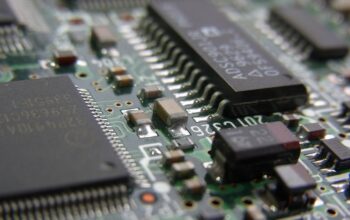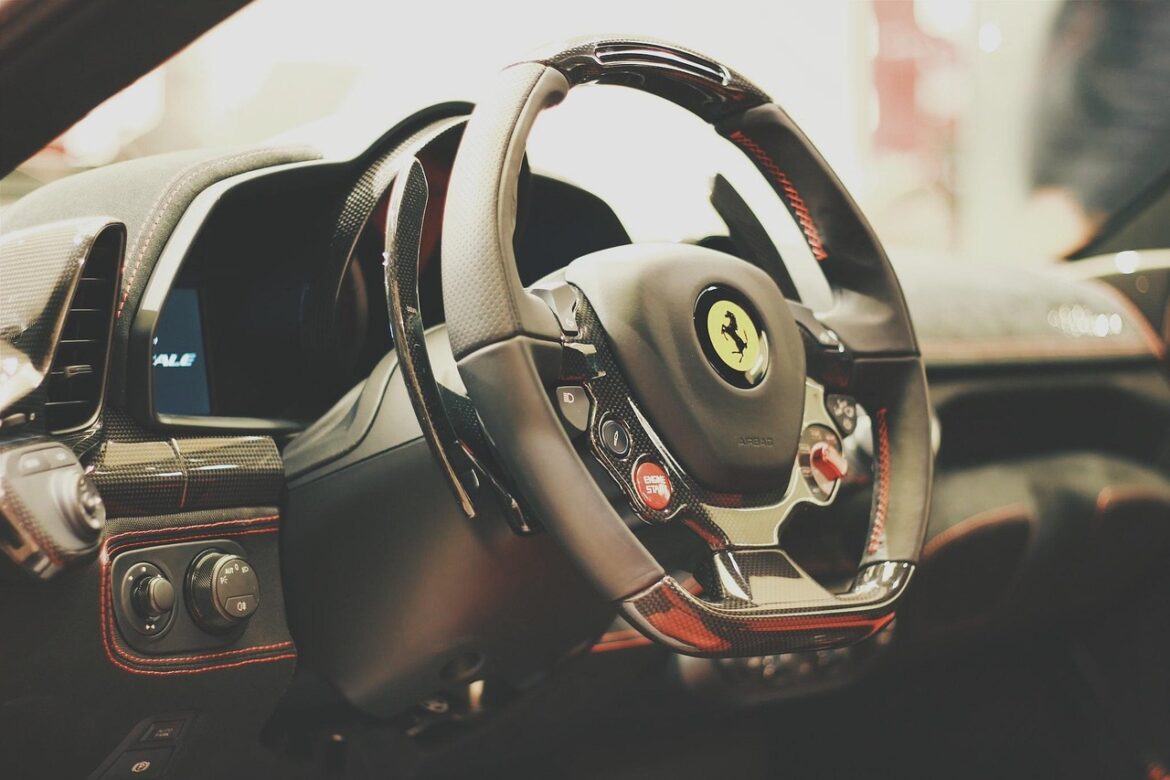
The car in your driveway is turning into a rolling computer. Not in a sci-fi way, but in a practical, pay-attention-this-affects-your-next-car way.
Below are four big engineering stories shaping real cars on real roads in 2026 – explained in plain language.
1. Electric gets practical, not just futuristic
For years, electric vehicles sounded like a moonshot. Now engineers are in a more down-to-earth phase: making them livable. Think of it as moving from concept art to kitchen appliance – reliable, affordable, easy to use.
What is happening on the ground:
- Hybrids are back in the spotlight. Brands like Toyota and others are doubling down on hybrid and plug-in hybrid systems so drivers do not have to gamble on charging access.
- Range and charging pain points are engineering targets. Teams are squeezing more kilometers from each kWh with better battery management, smarter software, and lighter parts.
- Home charging reality check. Many buyers still lack a private charger, so engineers are pushed to make cars that charge faster and work better with public networks.
In short: the cool battery chemistry matters, but what really decides sales is, “Can I do my daily commute without stress?”
2. AI moves from your phone into your dashboard
Open a new car today and the screen might feel more like a tablet than a radio. Engineers are now baking AI into that experience, not just slapping on a voice assistant.
What this looks like in the real world:
- Chatty dashboards. Carmakers are working with big chip and AI companies so you can say, “I am tired, find a quiet route and cooler cabin,” and the car actually does it.
- Smarter safety systems. Cameras, radar, and software team up to watch blind spots, nudge you back in lane, or brake faster than a human could.
- Personalized cabins. The car remembers your seat position, favorite radio stations, and even how aggressively you like it to accelerate.
One engineer joked that the car is becoming “a smartphone with wheels” – only this phone weighs two tons and has to obey safety laws.
3. Steer-by-wire and brake-by-wire quietly change the feel
Another big shift is happening in places drivers rarely think about: steering and braking systems.
Instead of a physical link from the steering wheel to the front wheels, new steer-by-wire setups use sensors and electric motors. The same idea applies to brake-by-wire systems.
On the road, that means:
- Smoother control. Engineers can tune the feel of the steering or brakes through software updates, just like tweaking an app.
- New design freedom. Once you remove some mechanical parts, you can rethink cabin layouts and even how the steering wheel looks or folds away in future autonomous modes.
- Better integration with driver-assist. The car can correct course or brake with more precision because everything is digital and instant.
For drivers, it is mostly invisible – you just notice that the car feels more controlled and “calm” at speed.
4. Lighter bodies, stronger shells
Finally, car bodies themselves are getting a quiet makeover.
Engineers are mixing ultra-high-strength steels, clever aluminum casting, and new lightweight alloys to make vehicles that are both lighter and tougher in a crash.
Why it matters to everyday people:
- More range and lower fuel use. Less weight means EVs go farther and gasoline cars burn less fuel.
- Safer cabins. Stronger structures help push crash forces away from passengers.
- Greener production. New materials and processes can cut waste and energy use in factories.
Think of it as putting your car on a strict diet without making it any weaker – like trading a heavy old toolbox for a lighter, tougher one made with modern materials.
What this means for your next car
When you shop for a car in the next few years, the real action is in the engineering you cannot see:
- Software will shape how the car feels as much as the engine does.
- Brakes, steering, and structure will quietly make driving safer and smoother.
- Electric and hybrid options will feel less like experiments and more like normal choices.
You do not need an engineering degree to follow these changes – but understanding them might help you pick a car that will not feel outdated before the loan is even paid off.
References:
- https://www.startus-insights.com/innovators-guide/automotive-industry-trends/
- https://www.spglobal.com/automotive-insights/en/blogs/2026/01/automotive-market-trends-2026
- https://semiengineering.com/automotive-outlook-2026/
- https://www.motortrend.com/news/2026-motortrend-best-tech
- https://www.deloitte.com/us/en/insights/industry/retail-distribution/global-automotive-consumer-study.html
- https://autovista24.autovistagroup.com/news/the-automotive-update-carmakers-accelerate-ai-applications-at-ces-2026/
- https://www.wardsauto.com/news/top-auto-industry-trends-for-2026-hybrids-software-tariffs/809053/