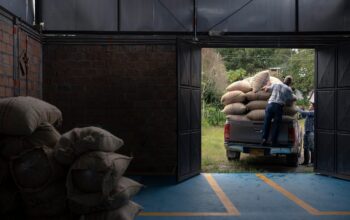
Imagine you’re running a busy retail store, and suddenly, a shipment of your best-selling product is delayed. Customers are frustrated, shelves are empty, and your team is scrambling. This scenario is all too real for many businesses, but in 2025, new trends are helping companies stay ahead of the curve. Let’s dive into the most talked-about supply chain trends that are making a real difference in the world of retail and logistics.
AI Takes the Wheel
Artificial intelligence (AI) is no longer just a buzzword. Companies are using AI agents and tools like Microsoft Copilot Studio to streamline operations, automate complex workflows, and provide real-time insights. For example, a major retailer used AI to predict demand spikes and adjust inventory levels, reducing stockouts and overstock situations. This not only saves money but also keeps customers happy. AI is becoming a practical driver of business transformation, helping companies reduce risk and better utilize resources.
Granular Cost-to-Serve Analysis
Traditional cost-cutting tactics are no longer enough. Retailers are now adopting data-rich, AI-powered tools to assess cost-to-serve at every node—product, customer, and channel. This means they can make more strategic pricing decisions and respond more agilely to supply chain challenges. For instance, a grocery chain used granular cost-to-serve analysis to optimize delivery routes, saving thousands of dollars in fuel costs and improving delivery times.
Heightened Risk Management
Supply chains are facing an expanded risk profile, from geopolitical shifts to cybersecurity threats. Predictive technologies and collaborative data-sharing ecosystems are key. Retailers are also gaining visibility through Tier 4 suppliers, ensuring they can quickly respond to disruptions. A clothing brand, for example, used predictive analytics to identify potential supplier issues and proactively sourced alternative materials, avoiding production delays.
ESG & Scope 3 Emissions Pressures
Environmental compliance is evolving fast. Retailers need full-spectrum visibility across their supplier networks to meet new regulations like the EU’s CBAM and CSDDD. Circular economy models are moving from niche to necessary. A tech company implemented a circular economy model, recycling old products and reducing waste, which not only helped the environment but also cut costs.
Intake & Orchestration (I&O) Tools
Legacy systems are being leapfrogged by lighter, flexible intake and orchestration layers that improve workflow integration across siloed tech. Major platforms are either acquiring or embedding these capabilities. A logistics firm adopted an I&O tool, streamlining order processing and reducing manual errors, leading to faster and more accurate deliveries.
Industry Transformation
Technology, energy shifts, and workforce demands are reshaping the operational model. Retailers need adaptive strategies to maintain productivity and relevance. A retail giant invested in renewable energy for its warehouses, reducing its carbon footprint and operational costs.
These trends are not just abstract ideas—they’re frontline imperatives for omnichannel leaders who must juggle cost, risk, compliance, and customer expectations. By embracing these innovations, companies can stay competitive and resilient in a fast-shifting landscape.
References:
- https://www.accio.com/business/tablet-honor-trends
- https://www.dbbnwa.com/articles/six-supply-chain-trends-shaping-retail-in-2025/
- https://www.netguru.com/blog/oms-market-size
- https://www.forvismazars.us/events/2025/12/revolutionizing-supply-chain-management-with-ai
- https://www.supplychainbrain.com/articles/topic/1158-supply-chain-finance-revenue-management
- https://www.ycombinator.com/companies/industry/supply-chain
- https://www.techradar.com/pro/procurement-in-2025-building-foundations-for-strategic-supplier-relationships-in-a-changing-world