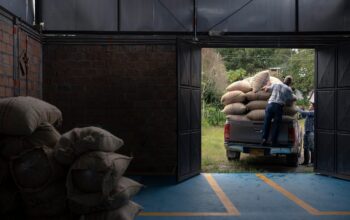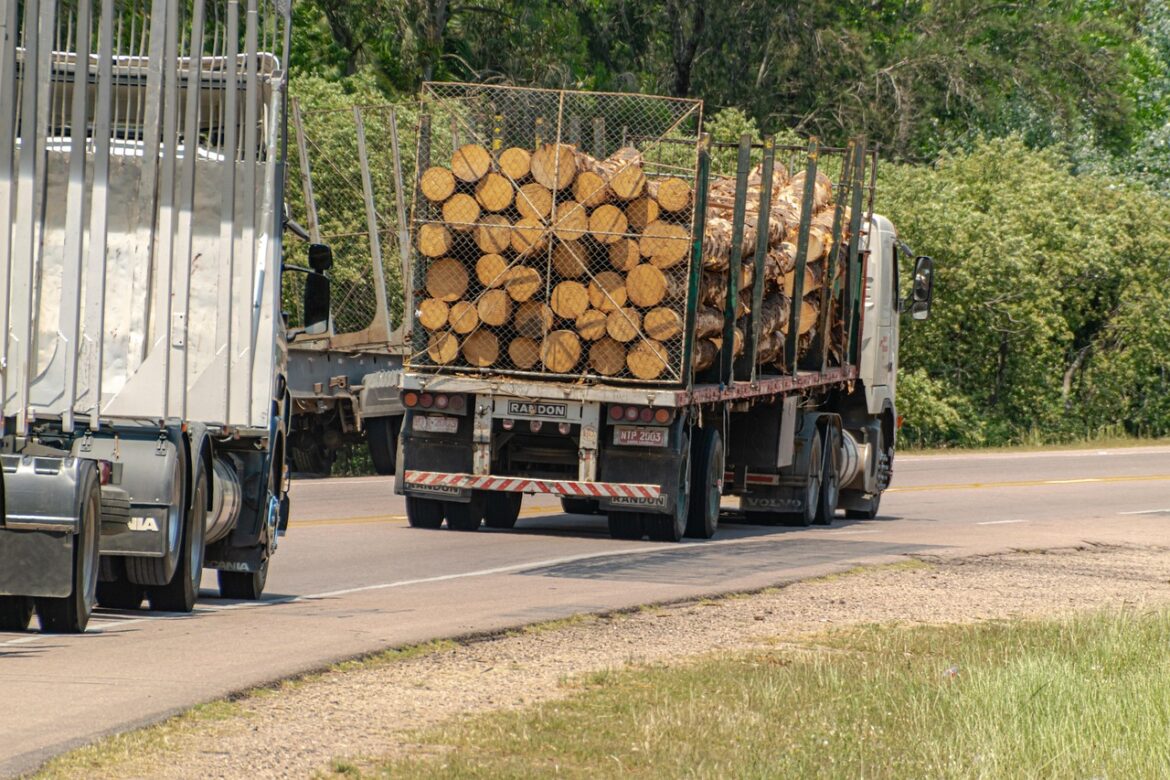
Imagine your supply chain as a busy highway. Trucks, suppliers, and warehouses are all vehicles trying to reach their destinations on time. But what happens when there’s a traffic jam, a sudden detour, or a storm? The best companies aren’t just reacting—they’re using smart frameworks to keep everything moving smoothly, even when surprises hit. In 2025, several new frameworks are helping businesses stay ahead of disruptions, boost sustainability, and make smarter decisions. Let’s break down the most talked-about ones, with real stories and simple explanations.
1. AI-Driven Supply Chain Resilience
Think of AI as your supply chain’s personal assistant. It’s not just about automating tasks; it’s about predicting problems before they happen. For example, a major retailer used AI to analyze weather patterns, shipping delays, and supplier performance. When a hurricane threatened a key port, the system flagged the risk weeks in advance and suggested rerouting shipments. This saved the company from costly delays and kept shelves stocked. AI frameworks now help companies simulate different scenarios, like tariff changes or supplier failures, so they can plan ahead and act fast.
2. Connected and Collaborative Supply Chains
No company operates in a bubble. The most resilient supply chains are those that connect with partners, suppliers, and even competitors. Take a global manufacturer that faced a shortage of a critical component. Instead of panicking, they used a collaborative platform to share real-time data with suppliers and customers. This transparency helped everyone adjust their plans, avoid bottlenecks, and keep production running. Frameworks that integrate blockchain and supplier relationship management (SRM) systems are making this kind of teamwork easier, especially in industries like manufacturing and retail.
3. Circular Supply Chain Initiatives
Sustainability isn’t just a buzzword—it’s a business imperative. Companies are adopting circular supply chain frameworks that focus on recycling, remanufacturing, and reuse. For instance, a leading electronics brand redesigned its supply chain to recover old devices, refurbish them, and resell them. This not only reduced waste but also created a new revenue stream. These frameworks help companies track carbon footprints, monitor supplier ethics, and improve material recovery, all while meeting stricter regulations and customer expectations.
4. Modular, Data-Driven Frameworks
Flexibility is key in today’s fast-changing world. Modular frameworks allow companies to plug in different tools and technologies as needed. A logistics company, for example, used a modular system to quickly add new features like real-time tracking and automated purchase orders. This adaptability helped them respond to sudden market shifts, like a spike in demand during a holiday season. These frameworks also provide centralized dashboards, making it easier to monitor performance and spot issues before they escalate.
5. Cyber Resilience and Security Frameworks
As supply chains become more digital, they also become more vulnerable to cyber threats. Cyber resilience frameworks help companies anticipate, withstand, and adapt to digital attacks. A food distributor recently faced a ransomware attack that threatened to shut down their entire network. Thanks to their cyber resilience framework, they were able to isolate the affected systems, restore backups, and keep operations running. These frameworks are now essential for protecting sensitive data and maintaining trust with partners and customers.
Why These Frameworks Matter
These frameworks aren’t just about technology—they’re about building smarter, more agile, and more sustainable supply chains. Whether it’s using AI to predict disruptions, collaborating with partners, or focusing on sustainability, the best companies are investing in these strategies today. As Tarun Nathooram Vaid, a principal analyst, puts it, “AI and automation are redefining what it means to operate a resilient supply chain.”
In a world where change is the only constant, these frameworks are helping businesses stay ahead of the curve, keep customers happy, and protect their bottom line.
References:
- https://www.morningstar.com/news/business-wire/20251105765399/enterprises-embrace-ai-to-enhance-supply-chain-resilience
- https://www.rswebsols.com/news/2025-research-on-supply-chain-management-software-sector-market-projected-to-hit-22-9-billion-by-2030-led-by-blue-yonder-coupa-descartes-systems-group-e2open-and-epicor/
- https://appinventiv.com/blog/supply-chain-automation/
- https://www.cfodive.com/news/steering-supply-chains-through-tariff-turbulence-ai-edge/804974/
- https://logisticsviewpoints.com/2025/11/06/this-week-in-logistics-intelligence-resilience-and-sustainability-redefine-the-supply-chain/
- https://coaxsoft.com/blog/construction-supply-chain-management-explained
- https://www.scmr.com/article/engineering-the-future-of-logisticsfrom-the-inside-out
- https://supplychaindigital.com/top10/top-10-supply-chain-associations-2025
- https://www.statista.com/topics/7150/global-supply-chain-management/