Imagine having a therapist in your pocket, a headset that helps you calm your mind, or a smartwatch that knows when you’re stressed before you do. In 2025, mental health tech is no longer just for clinics—it’s part of daily life for millions.
AI Therapy Companions Chatbots like Woebot and Wysa are becoming go-to friends for people who want support anytime. These apps use AI to guide users through mood tracking, mindfulness exercises, and even cognitive behavioral therapy (CBT). For example, a college student in New York told us she uses Wysa every night to unwind after a long day. She says it’s like having a calm, patient friend who listens and gives practical tips.
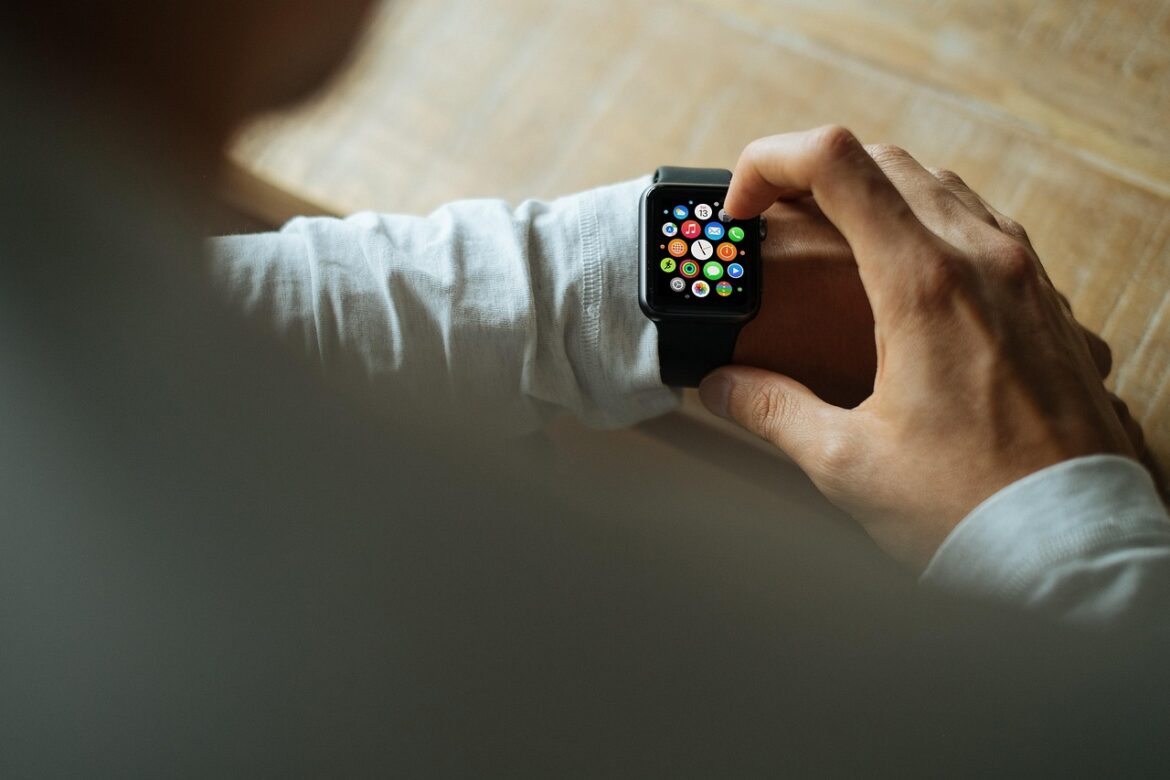
Wearable Mood Trackers Devices like Empatica’s smart wristbands monitor your heart rate, skin temperature, and movement to spot signs of stress or anxiety. One busy mom in Chicago shared how her Empatica device alerted her to rising stress levels during a hectic week, prompting her to take a break and breathe. These wearables don’t just track—they help you act before things get overwhelming.
Brain Stimulation Headsets Flow Neuroscience’s tDCS headset is a game-changer for people dealing with depression. It’s a lightweight device you wear at home, paired with an app that guides you through behavioral therapy. A user in London said it helped him feel more in control during a tough period, without needing medication.
Virtual Reality for Anxiety VR headsets are now being used for exposure therapy, letting people face fears in a safe, controlled environment. For instance, someone afraid of public speaking can practice in a virtual auditorium, building confidence step by step.
Integrated Wellness Platforms Many of these tools now work together—apps sync with wearables, and some even connect to telehealth services. This means your mental health journey is smoother, more personalized, and easier to manage.
These gadgets aren’t magic, but they’re making mental wellness more accessible, less stigmatized, and more part of everyday life.
References:
- https://www.precedenceresearch.com/genai-mental-health-devices-market
- https://www.ainvest.com/news/unlocking-untapped-potential-mental-health-tech-deep-dive-digital-startups-2511/
- https://www.springhealth.com/blog/ai-powered-mental-health-solutions-what-helps-and-whats-hype
- https://www.businesswebwire.com/genai-mental-health-devices-market/
- https://www.gminsights.com/industry-analysis/chatbot-based-mental-health-apps-market
- https://careeraheadonline.com/wellness-startups-attract-10-billion-in-2025-as-mental-health-gains-corporate-priority/
- https://www.businessinsider.com/18-most-promising-startups-healthcare-of-2025-according-to-investors-2025-11
- https://intuitionlabs.ai/articles/ai-medical-devices-regulation-2025
- https://www.statnews.com/2025/11/20/function-health-won-consumers-when-evidence-health-tech/