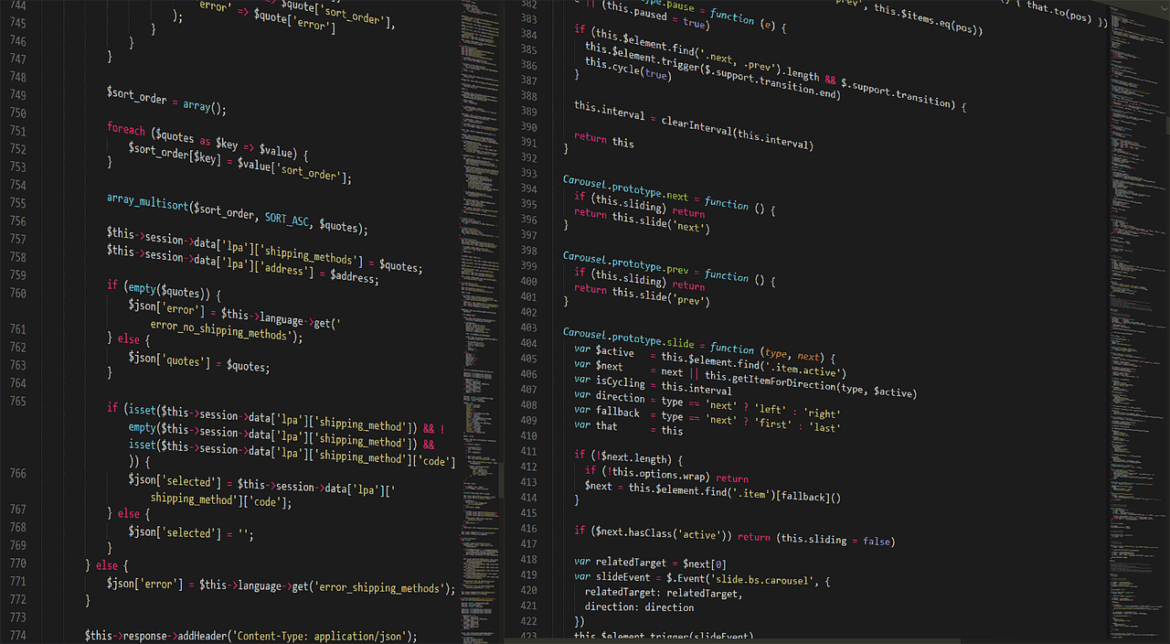
Imagine you’re a designer working on a new app, and instead of just sketching screens, you’re actually building them with code that feels as intuitive as drawing. That’s the reality for many creative professionals today, thanks to a handful of programming languages that are making waves in the design world. These aren’t just tools for engineers—they’re reshaping how designers think, collaborate, and bring ideas to life.
JavaScript: The Designers’ Swiss Army Knife
JavaScript is everywhere, and for good reason. It’s the backbone of interactive websites, mobile apps, and even desktop software. Think of it as the duct tape of the digital world—versatile, reliable, and always there when you need it. Designers love JavaScript because it lets them prototype ideas quickly, add animations, and even build entire user interfaces without switching tools. For example, when a startup in Berlin wanted to launch a new social app, their design team used JavaScript with React to create a prototype that looked and felt like the real thing, impressing investors and speeding up development.
TypeScript: Designing with Confidence
TypeScript is like JavaScript’s more organized cousin. It adds a layer of structure that helps designers and developers catch mistakes early, making projects more reliable. Imagine building a house with blueprints that highlight potential weak spots before you start construction. That’s what TypeScript does for code. A design agency in New York recently switched to TypeScript for their client projects, and the result was fewer bugs, smoother collaboration, and happier clients.
Dart: The Secret Sauce Behind Flutter
Dart is the language behind Flutter, Google’s popular framework for building beautiful, cross-platform apps. Designers who use Dart often praise its simplicity and the way it lets them create pixel-perfect designs that work on phones, tablets, and even desktops. Take the story of a small design studio in Tokyo. They used Dart and Flutter to build a travel app that looked stunning on every device, and their clients were amazed at how fast it came together.
Kotlin: Bridging Design and Development
Kotlin is a modern language that’s especially popular for Android apps. It’s concise, safe, and works seamlessly with Java, making it a favorite among designers who want to dive into app development. A designer in London shared how learning Kotlin helped her collaborate more effectively with developers, turning her sketches into functional apps with less back-and-forth.
Swift: Designing for Apple’s Ecosystem
Swift is the go-to language for designing apps on Apple devices. It’s fast, easy to learn, and packed with features that make it a joy to use. A freelance designer in San Francisco recently used Swift to create a custom app for a local business, and the result was a sleek, intuitive experience that customers loved.
Why These Languages Matter
These languages aren’t just about writing code—they’re about empowering designers to be more creative, collaborative, and efficient. Whether you’re building a website, an app, or a digital experience, the right language can make all the difference. And as the lines between design and development continue to blur, these tools are helping designers take the lead in shaping the digital world.
References:
- https://kotlinlang.org/docs/multiplatform/programming-languages-cross-platform.html
- https://www.netguru.com/blog/front-end-trends
- https://www.simplilearn.com/tutorials/programming-tutorial/best-front-end-programming-languages
- https://www.youtube.com/watch?v=e6crOMC9WCE
- https://www.phaedrasolutions.com/blog/10-easiest-and-hardest-programming-languages-to-learn-in-2025