Supply chains are evolving rapidly, and as we step into 2026, a wave of new products and technologies is making businesses rethink how goods move from factories to customers. If you’re in the supply chain world or just curious about what’s driving this transformation, here’s an easy-to-grasp guide to five trending products and concepts that are shaping the future.
1. AI-Driven Supply Chain Planning Platforms The roar of AI isn’t just in sci-fi anymore—it’s in supply chain planning systems. Platforms now embed generative AI and predictive automation that handle messy tasks like demand forecasting, inventory adjustments, and spotting supply glitches before they spiral. For example, a company launching a new product with no sales history can use AI to predict demand patterns, freeing up human teams to focus on strategy instead of number crunching.
Why It Matters: It transforms planning from a manual chore into a smart, continuous orchestration of decisions—think of it as turning a clunky old radio into a smart assistant that anticipates your favorite tunes.
2. Integrated Control Towers for Real-Time Visibility Control towers aren’t about planes anymore, but about the nerve centers monitoring supply chain movements. These software hubs now link with ERP, warehouse, and transport systems giving companies an eagle-eye view over their operations. When a disruption happens—say, a shipment delay—alerts pop up instantly, allowing swift, coordinated responses.
Real-World Example: Maersk’s recent push for global tech supply chain visibility helped clients anticipate risks and build resilience amid chip shortages and shifting trade rules.
3. Accelerated Nearshoring Solutions With global uncertainties and high logistics costs, companies are reshaping networks to bring production closer to home markets. Nearshoring isn’t just a buzzword—it’s a strategy supported by software and suppliers specializing in shorter, more transparent supply routes. This helps businesses reduce inventory buffer needs and tightens delivery schedules.
Insight: Instead of juggling long-distance supply chains like a circus act, companies are stabilizing their supply “tightrope” by sourcing regionally.
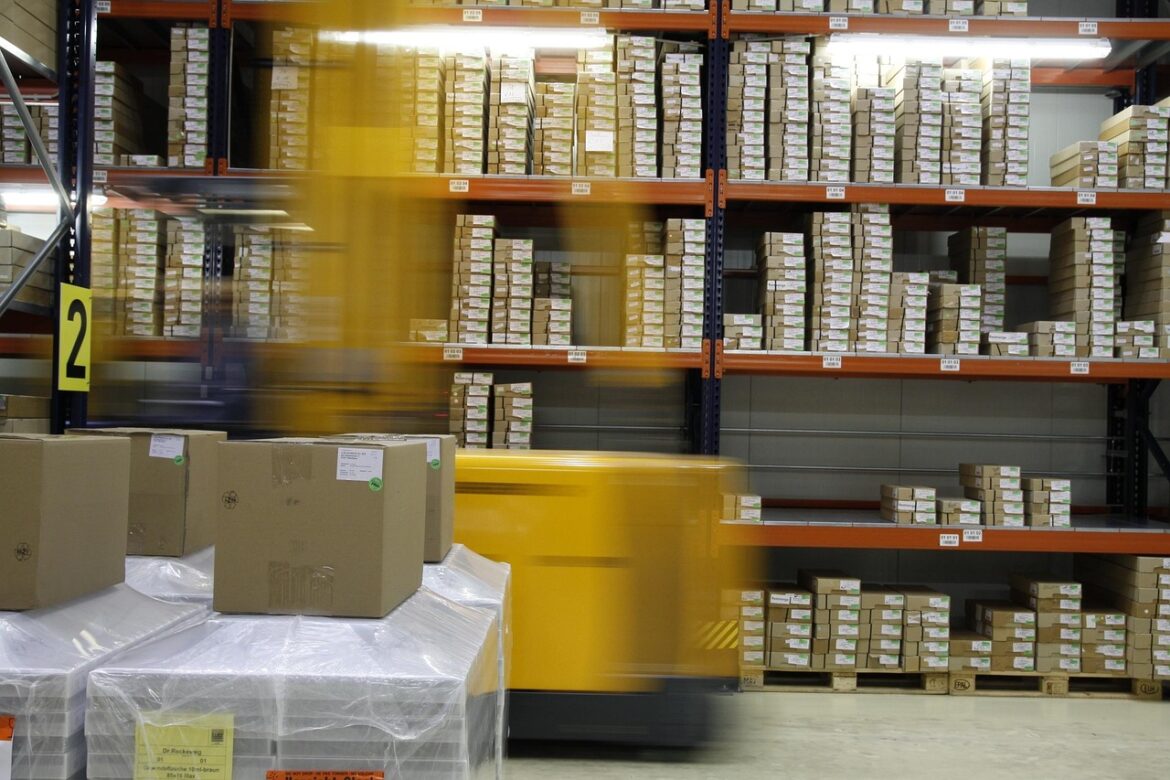
4. Automation and Robotics in Warehousing Robots in warehouses have long been a dream, now turning into everyday reality. From robotic picking arms to autonomous vehicles moving pallets, automation is speeding up fulfillment and cutting human error, especially vital where labor shortages hit hardest.
Industry Update: Some firms recalibrated their robotics strategy recently after e-commerce changes, showing these technologies need the right balance to deliver ROI.
5. ESG and Sustainability Traceability Tools Environmental and social governance (ESG) is becoming a must-know for buyers and regulators alike. Supply chain software now includes embedded sustainability metrics and blockchain-based traceability to prove products meet ethical and environmental standards.
How It Works: Imagine scanning a product and instantly seeing where its materials came from, how they were sourced, and the carbon footprint—transparency that builds trust and meets compliance.
Wrapping It Up These trends underscore a larger story: supply chains are no longer just pipes moving parts; they are intelligent, adaptive systems responding to global volatility with speed and insight. As firms adopt these trending technologies, they’re turning challenges like tariffs, labor shortages, and sustainability pressures into platforms for innovation.
Whether you’re a supply chain veteran or simply curious, these products highlight how agility, visibility, and smart automation are becoming standard tools in keeping goods moving efficiently in uncertain times.
Feel free to watch industry webinars or explore your own supply chain’s tech options—there’s never been a more exciting time to be connected to the world’s moving parts!
References:
- https://www.slimstock.com/blog/supply-chain-trends-2026/
- https://www.maersk.com/news/articles/2025/12/03/future-proofing-tech-supply-chains
- https://www.mckinsey.com.br/capabilities/operations/our-insights/supply-chain-risk-survey
- https://www.statista.com/statistics/1182110/global-supply-chain-disruptions-technologies/
- https://www.supplychaindive.com
- https://www.globaltrademag.com/how-emerging-technologies-are-transforming-global-supply-chains/
- https://www.scmr.com/article/reglobalization-and-the-modern-supply-chain/management