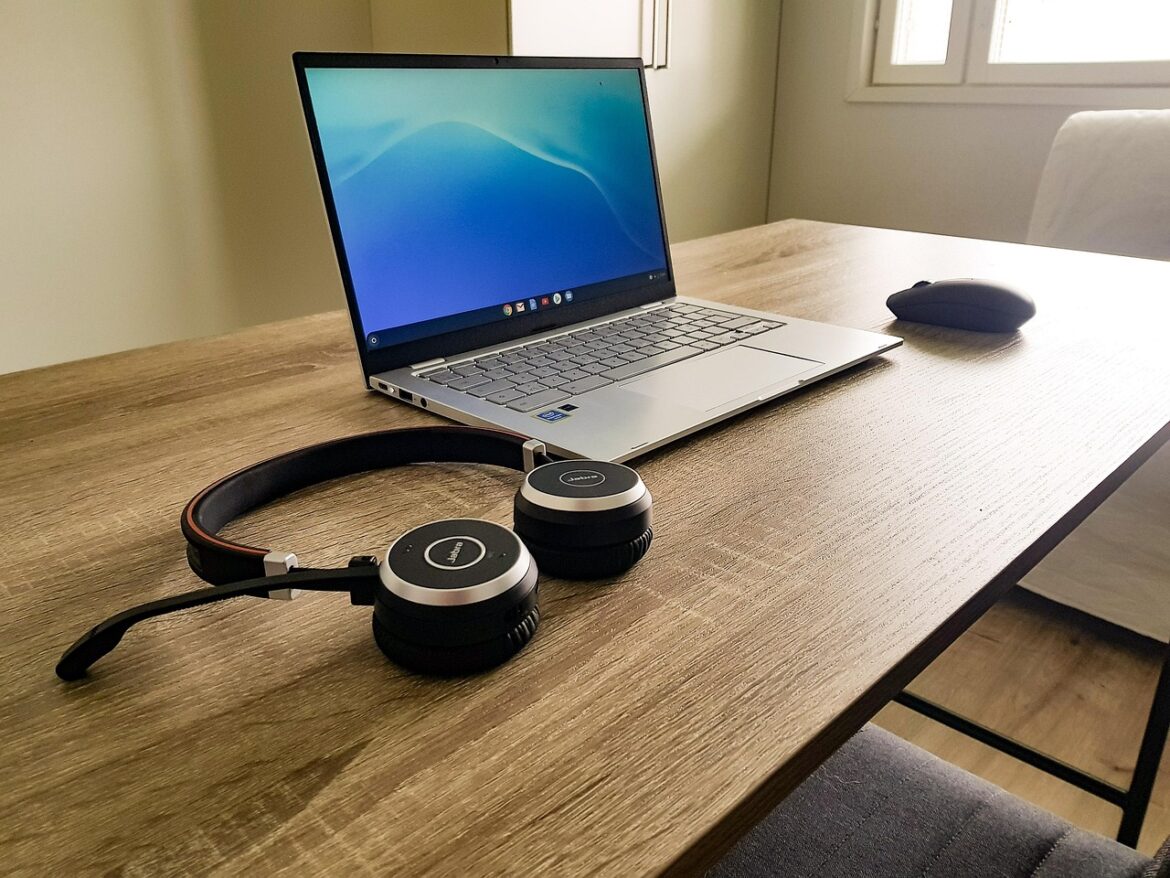
The Hardware Wave Changing Project Management
Imagine managing a project without the headache of endless spreadsheets, missed deadlines, or team miscommunications. Thanks to trending hardware innovations in 2025, project managers now have game-changing devices and solutions in their toolkit.
Here’s a close-up look at five standout hardware trends that are simplifying workflows and adding real-world value across industries.
1. AI-Enabled Smart Resource Trackers
Think of this as a personal project assistant that keeps tabs on your team’s availability, workload, and even budget usage. Modern hardware integrates AI-powered sensors and dashboards that forecast the resources your project will need before crunch time hits.
For example, these trackers balance workloads to avoid burnout and predict potential delays by analyzing past project data. In practice, a marketing agency used such a device to reallocate staff efficiently, cutting overtime by 20% during a critical campaign.
2. Hybrid Work Collaboration Hubs
With hybrid work here to stay, specialized hardware combining physical and virtual workspaces is booming. These devices come with high-quality cameras, microphones, and interactive screens tailored for seamless asynchronous and synchronous interaction.
A construction firm deployed such hubs on-site and in their office, enabling real-time updates between field workers and planners. This reduced communication gaps that previously led to costly errors.
3. Scenario Planning Simulators
These hardware tools act like a GPS for project managers, allowing them to simulate “what-if” scenarios when timelines, budgets, or resources shift unexpectedly.
One tech startup utilized a simulator device to preemptively model supply chain disruptions, adjusting delivery schedules without derailing product launches.
4. Integrated Financial Tracking Devices
Gone are the days of juggling separate budgeting software and project updates. The latest hardware solutions embed financial tracking directly into project management dashboards, giving project leaders real-time profit, cost, and expense visuals.
For instance, a design firm’s project lead used such a device to monitor expenditures while adjusting scope—eliminating surprises at billing time.
5. Sustainability Measurement Displays
Corporate social responsibility is front and center. New hardware offers dashboards measuring carbon footprint, energy use, and waste linked to project activities.
An architectural company applies these tools to ensure projects meet sustainability goals, winning client praise and compliance certificates.
Why These Matter
According to industry experts, hardware adopting these features empowers project teams to work smarter, not harder. They cut down on manual admin, anticipate risks, and facilitate team alignment whether remote, on-site, or somewhere in between.
In plain terms, these devices act like your project’s co-pilot, steering you clear of potholes on the road to completion.
Takeaway
For managers juggling timelines, budgets, and people, investing in the right hardware solutions in 2025 isn’t a luxury—it’s becoming essential to stay competitive.
By embracing AI-driven forecasting, hybrid communication hubs, scenario simulators, financial integration, and sustainability tracking hardware, teams can build projects that are resilient, efficient, and future-ready.
The future of managing projects looks less like chaos and more like a well-orchestrated symphony with the right tech in hand.
References:
- https://thedigitalprojectmanager.com/tools/best-project-management-software/
- https://thedigitalprojectmanager.com/tools/best-construction-project-management-software/
- https://www.shakudo.io/blog/top-9-workflow-automation-tools
- https://thectoclub.com/tools/best-it-management-software/
- https://www.hostinger.com/ca/tutorials/top-it-tools
- https://www.epicflow.com/blog/top-15-capacity-planning-tools-for-your-business/
- https://cpoclub.com/tools/product-development-software/
- https://www.cflowapps.com/best-workflow-management-tools/
- https://managedservicesjournal.com/articles/3-trends-that-changed-the-game-in-2025/
- https://thecxlead.com/tools/best-help-desk-software/