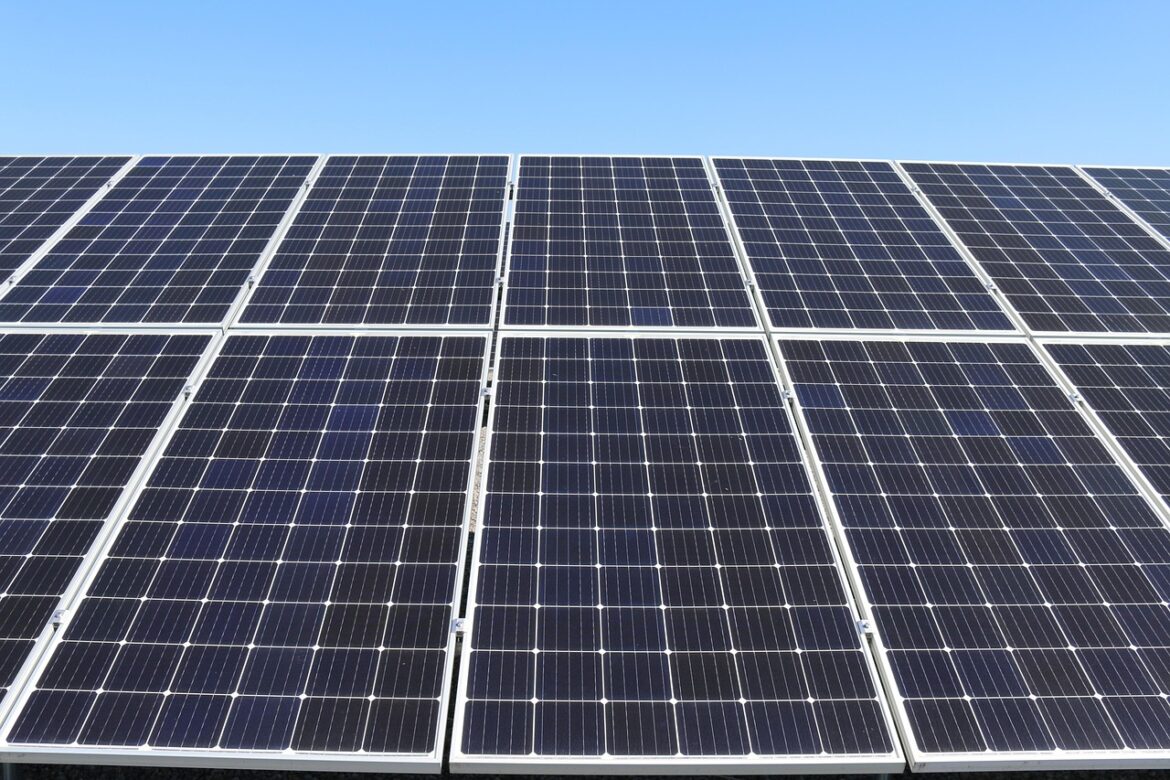
The Green Leap: Hardware Innovations Powering Environmental Sustainability in 2025
In 2025, hardware technology is not just getting smarter—it’s becoming a front-runner in the global race to save our planet. From construction sites to manufacturing floors and corporate data centers, hardware innovations are driving remarkable environmental benefits. Here’s a down-to-earth look at five trending hardware breakthroughs that show how technology and sustainability go hand in hand.
1. Smart Energy Management Systems (EMS)
Imagine an office building or factory where you can actually “see” how energy is used in real-time—down to the tiniest drip or leak. Thanks to affordable IoT sensors and cloud analytics, EMS devices gather data from meters, weather feeds, and equipment status. Facility managers can now monitor energy consumption on a smartphone dashboard, spotting inefficiencies instantly. This tech shift makes energy less of a blind cost and more of a controllable asset, saving billions and cutting carbon footprints effectively.
Why it matters: Real-time data helps businesses fix energy waste immediately rather than guessing, slashing emissions and bills alike.
2. Electrification of Construction and Robotics
Traditional construction sites, notorious for heavy diesel usage and emissions, are transforming with electric and hybrid machinery. In 2025, expect to see more autonomous vehicles and robotic machines replacing manual labor. This switch not only reduces the carbon footprint but also improves site safety and efficiency.
Concrete examples include electric cranes and excavators quietly working with zero direct emissions. Robotics take on repetitive tasks, letting human workers focus on oversight and precision.
Why it matters: Cleaner machines mean healthier work environments and a smaller environmental impact during the building boom.
3. Innovative Sustainable Building Materials
2025’s construction buzzwords include engineered timber, self-healing concrete, and green roofs. Engineered timber offers a lightweight but strong alternative to brick and steel, reducing embodied carbon dramatically. Self-healing concrete extends the lifespan of structures by repairing cracks autonomously, cutting down costly repairs and material waste.
Green roofs go beyond aesthetics; they provide insulation, reduce urban heat, encourage biodiversity, and save energy.
Why it matters: These materials not only shrink buildings’ environmental footprints but also lower long-term maintenance costs.
4. Circular IT Hardware Practices
Corporate IT hardware—servers, networks, storage—has long been an overlooked source of waste and emissions. However, 2025 marked a turning point where sustainability teams joined forces with CIOs and CFOs to rethink hardware lifecycle management.
Leading enterprises are now demanding suppliers prove device repairability, reuse rates, and supply chain transparency. They focus on optimizing current equipment rather than defaulting to replacements, saving resources and expenditures.
Why it matters: Smarter IT hardware use reduces electronic waste and supports net-zero targets while tightening budgets.
5. Energy-Efficient Semiconductor Technologies
Semiconductor companies are advancing leadership in sustainability with technologies that power over 30% of global low-power IoT connections. These chips enable wide use of resource-conserving devices across agriculture, logistics, and manufacturing, facilitating smarter, connected environments.
Industry leaders embrace science-based climate goals and ISO certifications, embedding sustainability into product innovation and operational excellence.
Why it matters: Efficient chips are the quiet engine behind many green applications—from precision farming to smart lighting—that reduce waste and emissions everywhere.
Bringing It All Together: These hardware innovations are more than technical feats; they’re changing how we build, work, and interact with our planet daily. By combining real-time energy insights, clean construction machines, eco-friendly materials, circular IT strategies, and advanced semiconductor tech, 2025 signals a new era where cutting-edge hardware delivers concrete climate action.
So next time you step onto a job site or check your office’s energy dashboard, you’ll know sustainability is being engineered from the ground up—one innovation at a time.
References:
- https://www.businesswire.com/news/home/20251113064441/en/Semtech-Advances-Sustainability-Leadership-with-2025-CSR-Report
- https://www.worldconstructiontoday.com/pressreleases/5-green-construction-trends-for-2025-how-technology-is-leading-the-way/
- https://www.computerweekly.com/opinion/IT-Sustainability-Think-Tank-Why-2025-was-a-turning-point-for-greening-up-enterprise-IT
- https://www.theenvironmentalblog.org/2025/12/how-technology-reduces-environmental-impact/
- https://us.mitsubishielectric.com/en/pr/global/2025/1211/
- https://www.kiongroup.com/en/News-Stories/KION-Stories/Sustainability/Article/The-future-of-intralogistics-is-sustainable.html?storyid=60480
- https://www.sunrisegeek.com/post/2025-predictions-for-sustainability
- https://www.applerubber.com/blog/our-year-in-review-apple-rubbers-2025/
- https://gocious.com/blog/sustainable-innovation-in-manufacturing-for-executives