Hook: Why AI Frameworks Matter Today
Imagine you’re the conductor of an orchestra. Your goal is to make dozens of musicians play in perfect harmony, crafting beautiful music together. In the AI world, frameworks are the conductors—the underlying structures that bring different pieces of AI tech together to perform smart tasks smoothly and efficiently.
As 2025 unfolds, understanding these AI frameworks isn’t just for techies. They’re the silent engines behind drones delivering packages, chatbots handling customer calls, or complex factory robots collaborating without missing a beat.
1. Hierarchical Cognitive Agent: The Master Planner
This framework arranges AI capabilities in layers, like a corporate ladder. Early on, it powers mission-critical systems such as industrial robots or automated manufacturing floors. Picture a factory where a top-level AI plans the day’s work while lower layers handle details like picking parts or moving tools.
Real-world scoop: In warehouses, these agents coordinate fleets of robots, making them efficient and error-free—imagine them as chess grandmasters planning moves ahead.
2. Swarm Intelligence Agent: The Crowd Whisperer
This AI works like a flock of birds or a school of fish. Instead of a single boss, countless agents follow simple local rules, yet their combined behavior feels intelligent and coordinated.
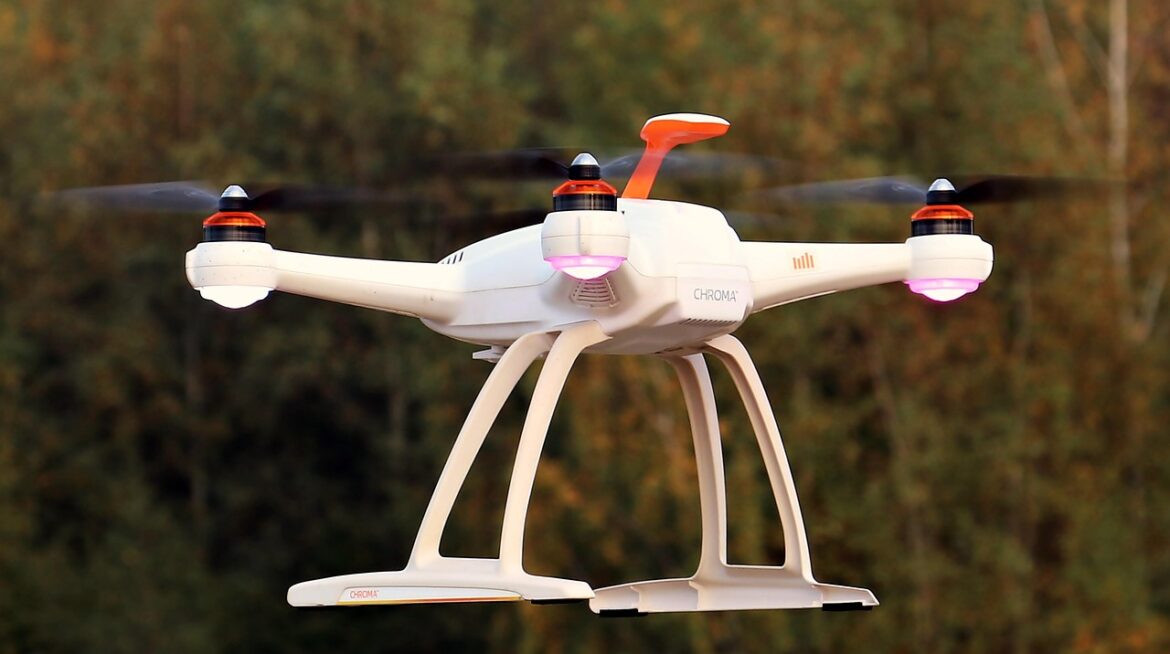
Down-to-earth example: Drone swarms surveying disaster zones or managing traffic flow rely on this. Instead of central commands, each drone adjusts its path by watching neighbors—like drivers instinctively avoiding a sudden brake ahead.
3. Meta Learning Agent: The AI That Learns to Learn
Meta learning frameworks enable AI to quickly adapt, figuring out how to learn new tasks using fewer examples. Think of it as a student who not only studies the material but also masters the art of studying itself.
On the ground: Personalized virtual assistants that tailor advice to you or adaptive controls in robotics that fine-tune their behavior depending on changing conditions.
4. Self-Organizing Modular Agent: The Handy Toolbox
This approach builds AI from modular blocks that dynamically connect, like plugging together Lego pieces to build varied machines.
Business scene: Enterprise copilots that juggle multiple tasks—managing emails, scheduling meetings, pulling data reports—by flexibly routing between different AI tools.
5. Evolutionary Curriculum Agent: The AI Apprentice
This framework evolves AI agents through trial, error, and incremental learning, akin to a student progressing through increasingly challenging courses.
Game changers: In video games or strategy simulations, these agents discover winning tactics without explicit programming—learning as a human would by playing over and over.
Real Tools Fueling These Frameworks
<brBeyond architectures, practical frameworks make building AI more accessible:
- Agno: Python-based, turning language models into AI agents connected smoothly to databases.
- CrewAI: A trusted tool by giants like Oracle and Deloitte, enabling rapid AI agent development.
- LangGraph: Poplar for multi-agent systems, using node graphs to visualize complex workflows.
These tools exemplify how building AI is no longer just a coding marathon but a modular, manageable process.
AI in Everyday Life: From Theoretical to Practical
<brWhile frameworks and tools sound technical, their impact on daily life is tangible:
- Drone delivery fleets navigate finely tuned paths thanks to swarm intelligence.
- Virtual assistants customize interactions using meta learning.
- Factories run smoother with hierarchical coordination.
- Marketers craft personalized content faster using modular AI copilots.
- Gamers face evolving AI opponents powered by evolutionary curricula.
Expert Insight
<brDr. Olivia Chen, an AI researcher, likens hierarchical agents to "a well-run city government," managing big plans while delegating tasks efficiently. Meanwhile, swarm intelligence "mirrors nature’s economy of effort," letting simple rules create complex solutions. <br### Wrapping It Up <brAI frameworks in 2025 are less about abstract theory and more about crafting real-world solutions—think coordinated drones, personalized tools, and adaptive robots. These frameworks are quietly transforming how businesses operate and how people experience technology. <brIn the near future, knowing these frameworks will be like understanding the gears inside your smartwatch—empowering you to harness AI’s full potential without the jargon.
Tags: AI Frameworks, Machine Learning, Agent Architectures, Tech Trends, Software Tools
References:
- https://www.marktechpost.com/2025/11/15/comparing-the-top-5-ai-agent-architectures-in-2025-hierarchical-swarm-meta-learning-modular-evolutionary/
- https://www.netguru.com/blog/ai-types
- https://getstream.io/blog/multiagent-ai-frameworks/
- https://www.top10erp.org/blog/ai-in-erp
- https://codesubmit.io/blog/ai-code-tools/
- https://www.coursera.org/articles/ai-trends