Digital transformation is more than a buzzword in healthcare—it’s reshaping how we monitor, diagnose, and treat health. Here’s a friendly tour of five trending health products that are making waves in 2025, transforming everyday health management with technology that feels more like a helpful companion than a gadget.
1. AI-Powered Surgery Tools Imagine a surgeon guided by super-smart AI during an operation. Companies like UltraGreen.ai have developed fluorescence-guided surgery tools, which help surgeons see exactly where to cut with real-time AI assistance. This tech means safer surgeries and improved recovery times.
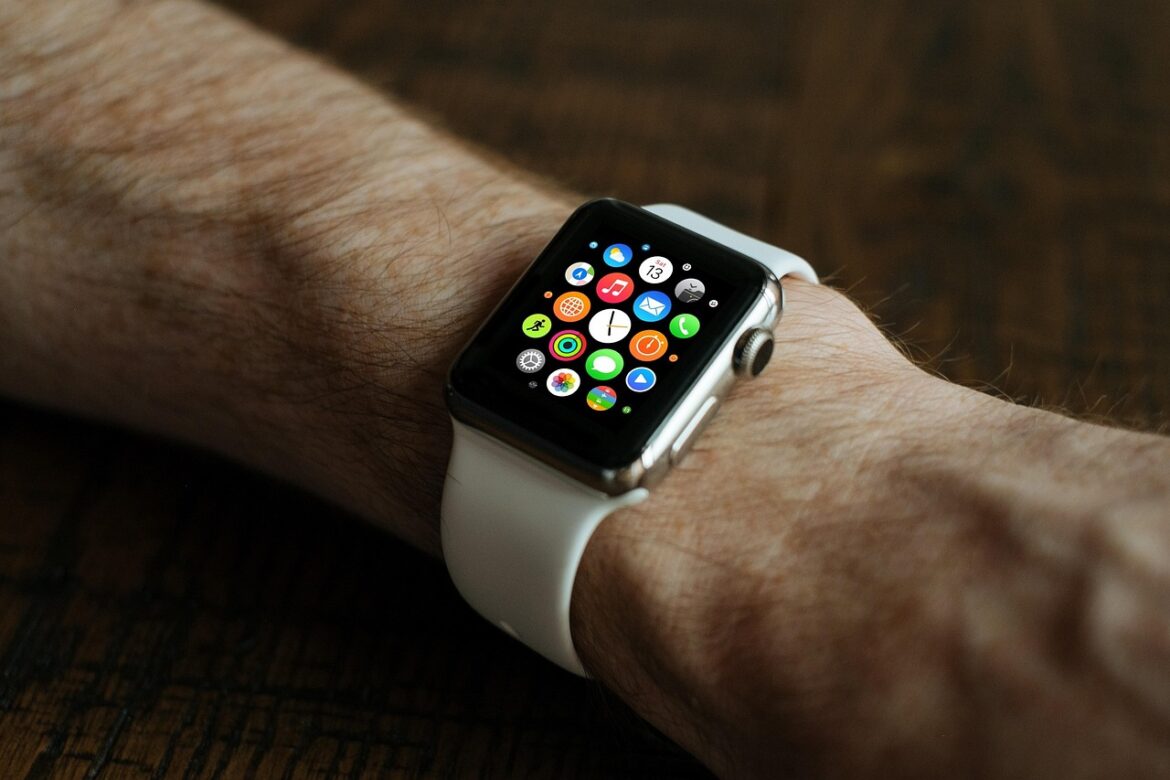
2. Wearable Health Monitors From smartwatches to medical-grade wearables, real-time tracking of your health stats is booming. Devices like continuous glucose monitors and wearable ECGs help people manage chronic conditions without constant doctor visits, offering freedom and peace of mind.
3. Virtual Clinical Assistants Doctors are overloaded, but chatbots and AI assistants are stepping in to save time. Tools such as Ambience help clinicians by listening to consultations and automatically creating detailed notes, cutting down paperwork by hours each week and letting doctors focus more on their patients.
4. Personalized Cancer Care Platforms Digital platforms like Thyme Care use AI to tailor cancer patient coordination. They help patients stay connected with their care teams and personalize treatments, helping reduce stress and confusion during challenging times.
5. Smart Wellness Analytics Startups like Aleen Inc. are testing AI-driven wellness analytics that interpret your health data and provide personalized advice. Think of it as having a health coach in your pocket, powered by responsible AI to make wellness insights more accessible.
Why This Matters: These innovations aren’t just about flashy tech—they’re practical tools that bring healthcare into your daily life. They help people manage health challenges remotely, reduce clinician burnout, and tailor treatments to individual needs. As digital health grows (expected to reach $1.5 trillion market size by 2032), it promises health systems where convenience, precision, and personalization come standard.
So next time you see a wearable buzzing, or a digital assistant answering health questions, remember: this is the front line of a healthcare revolution aimed at making quality care accessible for all.
Stay tuned! The future of health is digital — and it’s already here, helping real people live healthier lives every day.
References:
- https://med-tech.world/news/top-medtech-trends-to-watch-in-2025/
- https://allhealthtech.com/cb-insights-q3-2025-digital-health-trends/
- https://www.globenewswire.com/news-release/2025/11/11/3185412/0/en/Global-Digital-Health-Market-Size-Projected-to-Reach-1-5-Trillion-By-2032-as-A-I-Technology-Enhances-Operations.html
- https://relevant.software/blog/healthcare-technology-trends/
- https://www.himss.org/resources/digital-health-transformation-gains-gaps-and-the-growth-of-ai/
- https://aimagazine.com/globenewswire/3185412
- https://www.fiercehealthcare.com/health-tech/key-trends-and-executive-takeaways-hlth-2025
- https://www.ama-assn.org/practice-management/digital-health
- https://www.emarketer.com/topics/industry/wearables