Design is all about capturing the spirit of the moment, and 2025 is shaping up to be a year of vibrant creativity and thoughtful innovation. From the revival of vintage styles to the smart use of AI, this year’s design trends blend nostalgia, personalization, and sustainability in exciting ways.
1. Vintage Maximalism: Giving Personality a Home
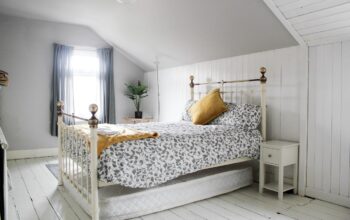
If your living room could belong to anyone, it belongs to no one. That’s the feeling driving the surge in “vintage maximalism” this year. Pinterest data shows that searches for vintage velvet sofas, hand-painted ceramics, and pieces with character have soared, as more people seek unique furniture that tells a story. It’s a sharp break from the bland uniformity of mass-produced decor.
Imagine swapping your grey sectional for a plush velvet sofa with brass accents, nestled against bold Art Deco wallpaper. This revival is more than nostalgia; it’s about craftsmanship and owning pieces built to last. Designers and shoppers alike are camping out at estate sales and vintage shops, hunting for that statement look that’s anything but cookie-cutter.
2. Graphic Design Goes Retro-Psychedelic and Zero-Waste
Graphic design in 2025 takes a colorful trip back to the 1960s with the retro-psychedelic trend—think vibrant pinks, fiery oranges, swirling abstract patterns, and playful, wavy typography. This style adds depth and energy to everything from packaging to posters.
But there’s a serious side to the story: zero-waste design is gaining traction as designers rethink how to reduce environmental impact. Zero-waste means creating modular designs that can be reused and adapted, simplifying visuals to tell bigger stories with less, and embracing print-on-demand to avoid overproduction. It’s design that looks good and does good.
3. Web Designs Tailored by AI and Loaded with Personality
The days of generic stock photos are ending. Websites now stand out with custom illustrations and even 3D elements, creating an immersive experience that truly reflects a brand’s vibe.
Taking this a step further, AI-driven personalization is revolutionizing web design by tailoring content to each visitor’s preferences and behavior. Imagine a website that changes based on what you like, showing you exactly what you want when you want it.
There’s also a bold rebellion known as neo-brutalism: rough edges, bold colors, and asymmetrical layouts that break the traditional mold. This is for brands ready to make a statement and be unforgettable.
4. Dopamine Design and Hyper-Real Textures
On the graphic design front, a playful cousin to minimalism is dopamine design—bright, saturated colors and elements designed to spark joy and grab attention, especially on social media. Think of bubbly fonts, glossy graphics, and a vibe that’s all about fun and energy.
Then there’s hyper-real texture play, where ultra-detailed 3D renders and photorealistic visuals bring products to life digitally like never before. Electronics, for example, can be showcased rotating and shimmering as you scroll, replacing traditional photos with a tactile digital feel.
5. Sustainability and Slow Living in Design Choices
Across the board, sustainability is a key trend. Whether it’s vintage furniture, upcycled materials in product design, or zero-waste graphic work, there’s a growing effort to move away from fast consumerism. Designers and consumers alike are embracing slow fashion, pre-loved pieces, and eco-conscious design workflows.
Why These Trends Matter
Design in 2025 isn’t just about aesthetics—it’s about creating meaningful experiences. These trends mix technology and tradition, joy and responsibility, uniqueness and practicality. For businesses and creators, the key takeaway is to build personality into your design choices, reduce waste, and use technology thoughtfully to connect better with your audience.
Whether you’re redesigning your workspace, launching a website, or refreshing your brand’s look, 2025’s design trends invite you to be bold, personal, and purposeful.
References:
- https://www.elledecor.com/design-decorate/trends/a65818530/pinterest-fall-2025-trends-report/
- https://venngage.com/blog/graphic-design-trends/
- https://fivensonstudios.com/top-10-web-design-trends-for-2025/
- https://community.wacom.com/en-es/graphic-design-trends-2025/
- https://www.accio.com/business/design-trend