Imagine you’re running a business or overseeing a city, and you want to make it truly sustainable. Where do you start? The year 2026 is all about practical frameworks that turn good intentions into real-world action. From forests to plastics to electricity grids, these systems are quietly reshaping our path to a more planet-friendly future.
Forest Finance That Works for Everyone
Few frameworks are getting as much attention as the new forest finance model. Instead of just planting trees in a far-off country, companies are investing in long-term partnerships that protect forests and support local communities. For example, a chocolate brand in Europe now signs contracts with farmers in West Africa to ensure forests stay standing, giving both environmental benefits and economic security. Thanks to initiatives like the Tropical Forests Forever Facility, scaling up forest finance is no longer just a side project—it’s becoming a core part of climate strategies.
Carbon Pricing Goes Global
Carbon pricing is moving from a niche idea to a worldwide standard. In 2026, countries like Malaysia are rolling out national carbon taxes, especially for heavy industries like steel and cement. The European Union’s Carbon Border Adjustment Mechanism is also making waves, meaning companies must account for the carbon in imported goods. For a small factory in Thailand, that means measuring their emissions or risk paying more when selling to Europe. These policies aren’t just about penalties—they’re about creating a fairer playing field for green businesses.
The Circular Economy Gets Real
The Circular Economy Act is giving companies a clear playbook: waste less, recycle more, and keep materials in use. Take the smartphone industry, where a new rule requires manufacturers to design devices that are easier to repair and recycle. Repair shops in Amsterdam now see a steady flow of devices, and consumers are starting to cherish their gadgets longer. This shift is making recycling markets more reliable and less wasteful.
Electricity and Reliability Are Linked
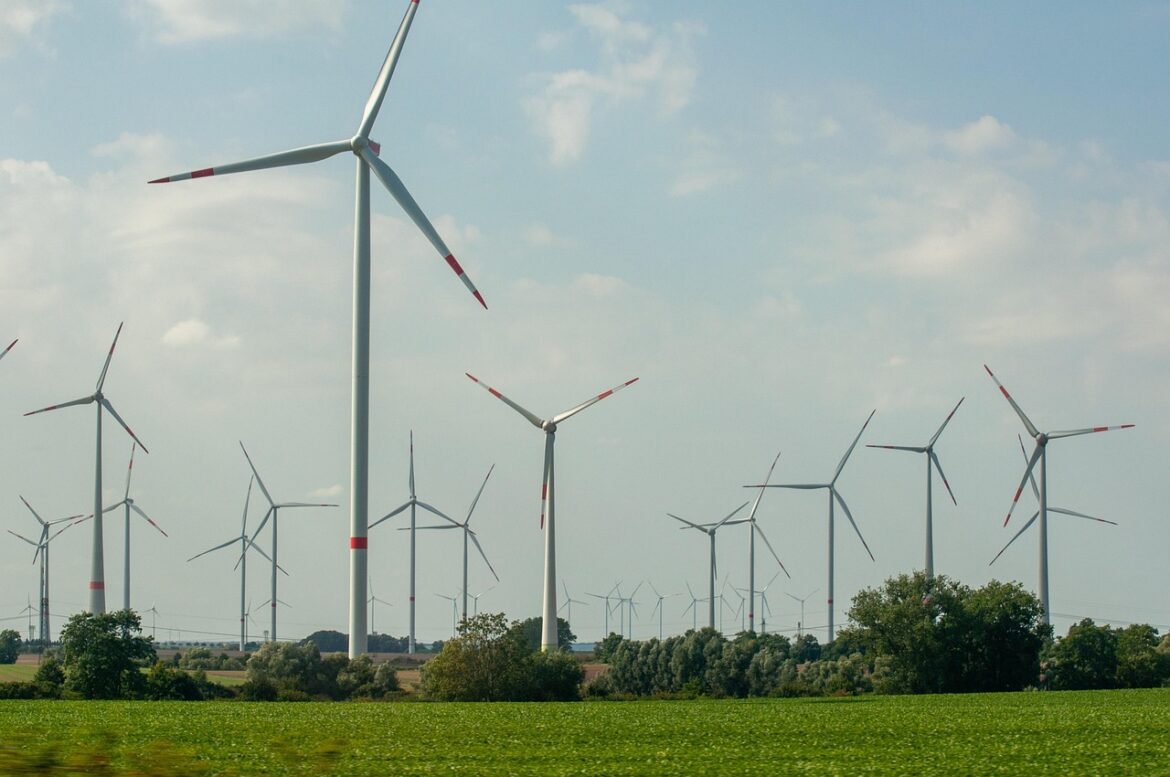
Electricity is the new frontier of sustainability. With energy demand growing fast, frameworks are emerging to ensure grids are both reliable and green. For example, utilities in Illinois are now using more diverse energy sources, not just relying on solar or wind, but also modernizing their backup systems. Communities are noticing fewer blackouts, and businesses can plan for a future where lights stay on without breaking the planet.
Biodiversity and Accountability Take Center Stage
Frameworks like the Kunming-Montreal Global Biodiversity Framework are pushing companies and governments to track their impact on nature. In Europe, firms are starting to report not just on emissions but on how their actions affect local wildlife. This is leading to new partnerships, such as a Swedish city teaming up with local farmers to boost pollinators and improve soil health.
These frameworks aren’t just policy jargon—they’re the tools turning the tide on environmental challenges, one smart decision at a time.
References:
- https://trellis.net/article/nature-based-solutions-4-predictions-for-2026/
- https://greenercity.com/eco-friendly-predictions-for-2026/
- https://eoxysit.com/blogs/the-future-of-sustainable-ai-green-computing-trends-shaping-2026/
- https://www.reccessary.com/en/news/2026-Sustainability-Trends
- https://www.greenbuildinglawupdate.com/2026/01/articles/energy/why-electricity-will-be-the-number-one-environmental-issue-of-2026/
- https://www.renewablematter.eu/en/7-transition-economy-stories-to-follow-in-2026
- https://news.uchicago.edu/story/healthcare-electronics-are-booming-heres-how-make-them-more-sustainable