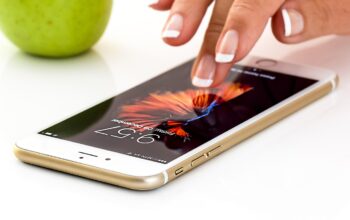
The Intersection of Mental Health and Mobile Tech
If you’ve ever felt the weight of stress, anxiety, or restless nights, you’re not alone. Increasingly, people are turning to their smartphones not just for connection or entertainment, but as lifelines for mental well-being. Here’s a friendly tour of five trending mental health apps that are making real-world impacts—and how they’re becoming trusty companions in the quest for calm.
1. Headspace: Your Pocket Meditation Coach
Ever felt like meditation was too complex or time-consuming? Headspace breaks that myth with over 500 expert-led guided meditations that can fit into even the busiest schedule—from quick 3-minute resets to deeper, relaxing sessions.
Consider Maya, a graphic designer juggling deadlines, who found Headspace’s sleep meditations transformed her restless nights into rejuvenating ones. This app doesn’t just throw theory at you; it offers calming breathwork and anxiety management tools that help users like Maya handle daily stressors gracefully.
Its latest feature, an empathetic AI companion named Ebb, means support is just a chat away—24/7.
2. Stoic: Journaling Meets Ancient Wisdom for Modern Stress
Sometimes, all it takes is putting pen to paper—or fingers to screen—to untangle your thoughts. Stoic reimagines journaling with powerful, guided prompts inspired by Stoic philosophy and mental health science.
User reviews tell heartfelt stories. One user described it as a ‘cornerstone easing anxiety and depression,’ turning journaling from a chore into a joyful, healing habit. Another shared how Stoic helped redirect focus from chaos outside to clarity inside during a tough life phase.
In just 120 seconds, this app helps you track moods and reflect, making mental wellness simple and accessible.
3. Lotus AI Therapist: Future-Ready Emotional Support
Imagine texting a friend who listens without judgment, anytime you need. Lotus offers an AI-powered therapist that provides compassionate support and insight into your emotions.
What makes Lotus stand out is its cutting-edge integration with wearable tech to monitor heart rate and sleep patterns, helping foresee and prevent mental health crises.
This app is not a replacement for human therapists but a supportive assistant expanding access to emotional care, especially valuable for Gen Z users seeking non-traditional helpers.
4. Mental Wellness Tracker: Data-Driven Calm
For those who appreciate numbers with their mindfulness, the Mental Wellness Tracker combines meditation, gratitude, and breathing exercises with smart mood analytics.
The app’s soothing pastel design feels like a gentle hug, while features like AI health assistants and monthly emotional summaries turn abstract feelings into understandable insights.
A user shared how seeing their mood trends helped them spot patterns and triggers, empowering better daily decisions for mental balance.
5. Journal & Mental Health: Stoic’s Elegant Reflection Space
Another gem from the Stoic family, this app offers a sleek journaling experience with deep reflection prompts and exercises.
A user story stands out: during a prolonged dark period marked by regret and skepticism, this app didn’t just illuminate their path—it taught them to keep the light on, emphasizing personal control over one’s life narrative.
The app focuses on mindfulness rooted in philosophy, helping users transform tough times into opportunities for growth.
Bringing It All Together: Why These Apps Matter
These apps show that mental health technology isn’t about flashy gimmicks; it’s about connecting with real people’s stories and needs. Whether through meditation, journaling, AI support, or data insights, they offer ways to manage stress, anxiety, and emotional struggles in practical, relatable ways.
Opening one of these apps can feel like a breath of fresh air—a moment carved out just for your mind amidst life’s chaos.
Tips for Choosing Your Mental Health App
- Start small: Try a few minutes a day with a meditation or journal prompt.
- Be patient: Like any habit, mental wellness takes time.
- Mix and match: Use meditation apps alongside journaling or tracking tools for a balanced approach.
- Seek help when needed: Apps are a tool, not a substitute, for professional care.
Final Thought
In an age where our phones often drain us, these mental health apps flip the script, making technology a partner in peace of mind. As users transform their days, these digital allies quietly reshape the way we care for our most valuable asset—our mental health.
Ready to give your mind a little tech-powered TLC? These apps might just be the gentle guide you need.
References:
- https://apps.apple.com/us/app/headspace-meditation-health/id493145008
- https://www.getstoic.com
- https://dribbble.com/shots/26675495-Mental-Wellness-Tracker-App
- https://apps.apple.com/us/app/journal-mental-health-stoic/id1312926037
- https://skywork.ai/skypage/en/lotus-ai-therapist-mental-wellness/1977552516223660032