Imagine your favorite luxury handbag suddenly costing more—not because it’s fancier, but because a tariff slapped on its journey from overseas just made everything pricier. That’s the reality hitting the luxury world in 2026, where supply chains are getting a major makeover.
1. Quiet Luxury Takes Over Hotel Design Amid Economic Squeeze
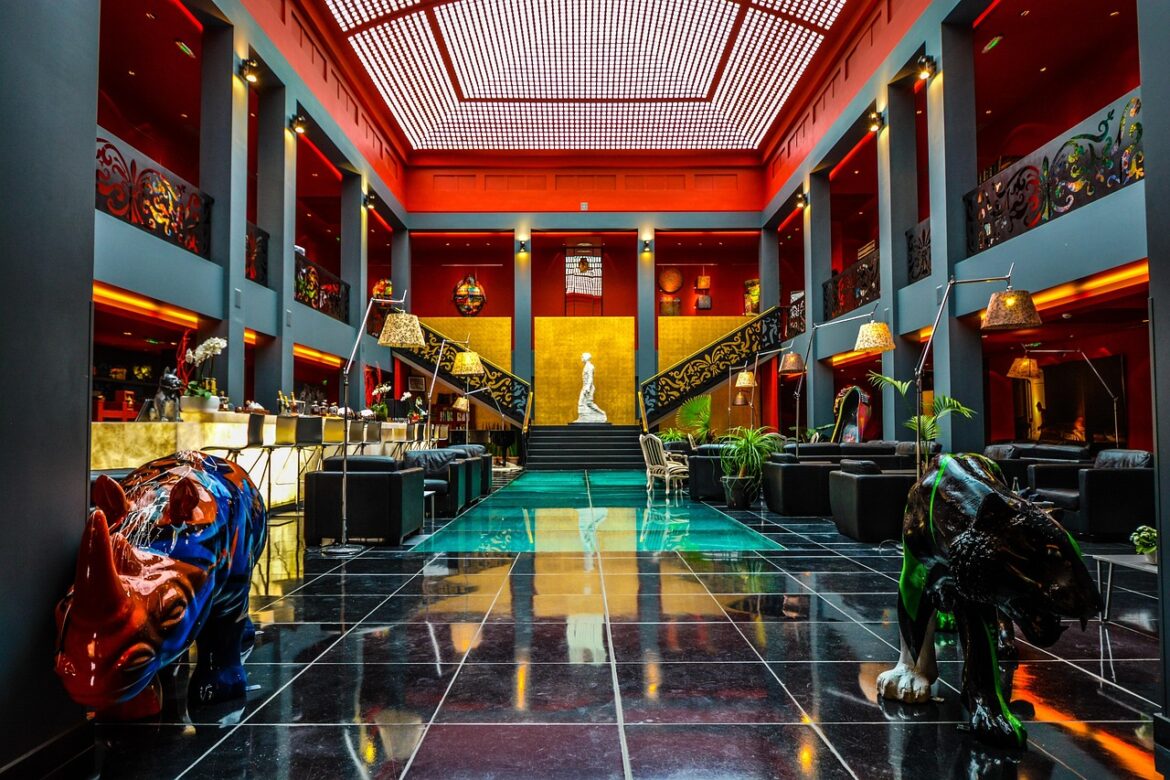
In the hospitality scene, US economic hiccups like rising tariffs are pushing hotel designers toward quiet luxury—think understated elegance without the sky-high price tag. Experts like Warwick, a key voice in hotel construction, are swapping out traditional suppliers for new ones. “We’re not sticking to the same old finishes on walls or cabinets,” he says. Instead, design teams are getting creative with innovative materials to keep that luxe feel alive.
This shift isn’t just about cutting costs; it’s sparking deeper teamwork between designers and hotel brands. Brands are loosening the reins on choices like wallpapers, fabrics, and even furniture, as long as the core identity shines through. Warwick calls 2026 a “new cooperative phase.” And get this: good design doesn’t have to break the bank—it just needs to be thoughtful. Trends from high-end spots are trickling down to mid-tier hotels, making everyone look sharper.
2. Fashion Brands Go Surgical with Price Hikes
Over in fashion, tariffs are no joke. Brands like Vince have already bumped prices by about 6% in 2025 and plan more in 2026. But they’re not slapping blanket increases everywhere. Instead, it’s a surgical approach: tweaking prices item by item, SKU by SKU. New cashmere pieces now top $500, leather goods over $1,000—all with wider margins baked in.
Fashion business prof Keith Fraley nails it: “Blanket price hikes won’t fly anymore. Consumers are savvy and value-driven.” Brands must link hikes to real perks, like better quality or sourcing. As luxury giants like Loro Piana raise prices, shoppers are pivoting to contemporary labels like Vince. McKinsey’s State of Fashion 2026 report backs this—71% of execs plan price bumps, but luxury ones are more measured at 18% expecting over 5%.
3. Packaging Gets Smart to Fight Back
Retail’s evolving too, with connected packaging stepping up. What was once a gimmick is now essential, thanks to RFID mandates from big players like Walmart. In 2026, AI-powered packaging tracks everything from supply chain kinks to recycling paths. Picture electronic shelf labels chatting with smart boxes to show real-time stock—super handy for online shoppers.
Experts say retailers and makers will use this tech to dodge tariff pains, optimize flows, and wow customers with sustainability scores. Displays on shelves will scream value louder as shoppers hunt deals or switch to private labels.
4. The Big Picture: Efficiency and Innovation Rule
Across the board, 2026 is about smarts over splurges. Hotels chase efficient builds and ops, fashion stays transparent, and packaging connects the dots. It’s like a game of supply chain hot potato—everyone’s passing the tariff buck until AI and new sources cool things down.
Concrete wins? Vince’s peer-matching strategy keeps loyal luxury fans. Hotels blending Pantone’s Cloud Dancer vibes (smart pick for calm, easy upkeep) with cost-saving tweaks. As one designer puts it, focus on psychology and efficiency to thrive.
These stories show luxury isn’t fading—it’s adapting, like a chameleon in a tariff storm. For leaders and teams, the takeaway is clear: innovate collaboratively, communicate value, and lean on tech. Your supply chain could be the next success story.
References:
- https://www.costar.com/article/470951187/us-economic-challenges-drive-quiet-luxury-evolved-supply-chains-in-hotel-design
- https://www.glossy.co/fashion/as-tariffs-hit-brands-and-customers-alike-more-price-hikes-are-coming-in-2026/
- https://www.smurfitwestrock.com/blog/top-retail-trends-of-2026-what-to-expect
- https://www.businessoffashion.com/articles/luxury/the-state-of-fashion-2026-report-luxury-category-outlook-consumers/