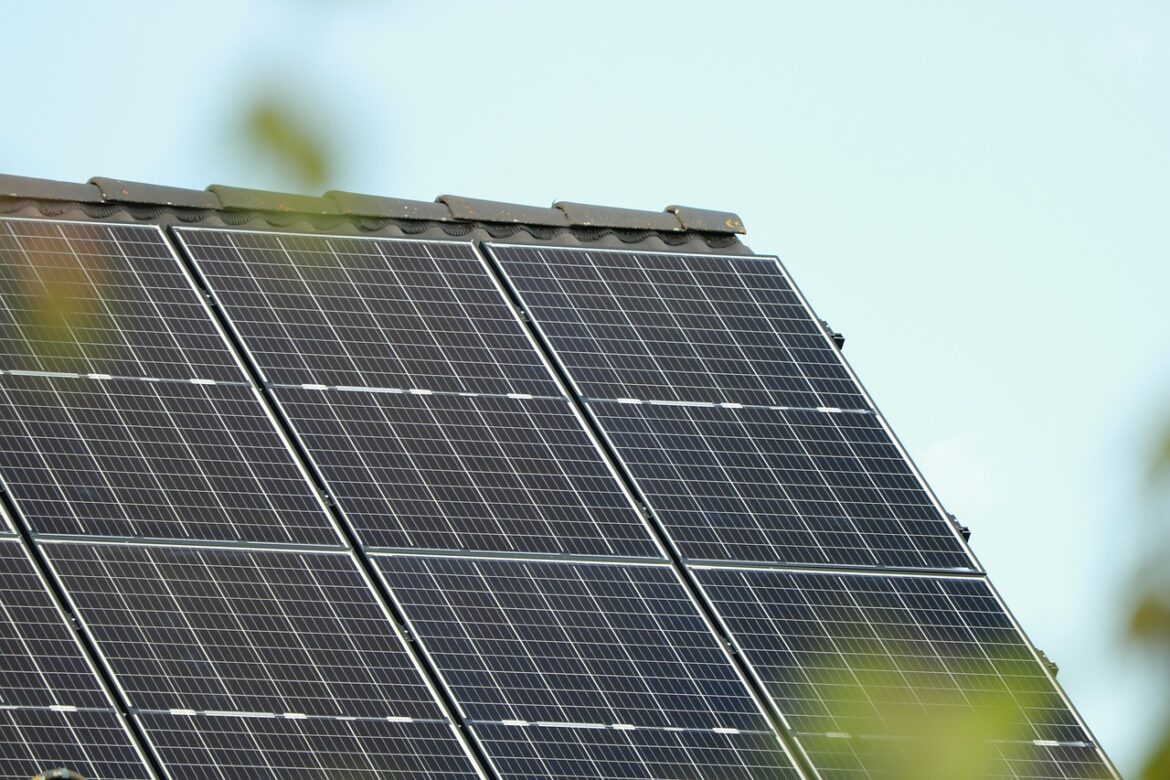
Imagine a World Where Green Goals Outlast Political Storms
Picture this: 2025 kicks off with big dreams for corporate sustainability—clearer rules, greener supply chains, everyone on the same page. But bam! Political shake-ups, regulatory U-turns, and economic jitters hit hard, especially in the U.S. Yet, like a sturdy oak in a gale, sustainability didn’t topple. It bent, adapted, and came out stronger. CEOs worldwide are doubling down, investors are pouring in trillions, and companies are weaving green strategies into their DNA. Let’s dive into five real-world stories lighting up the global stage right now.
1. CEOs Stand Firm: 99% Keep Sustainability Bets Despite Backlash
In a year when U.S. policies tried to halt an 80% complete offshore wind farm and questioned clean tech investments, corporate leaders didn’t flinch. An Accenture-UN Global Compact survey revealed a whopping 99% of global CEOs plan to maintain or expand their sustainability commitments. Nearly 9 in 10 say the business case is stronger than five years ago. “It’s like sustainability is the marathon runner who keeps pace even when sprinters quit,” notes sustainability expert Andrew Winston.
Deloitte found over 80% of companies boosted sustainability spending last year, with CapGemini reporting most expect more in 2026. BCG highlights firms already reaping economic wins from cutting carbon. At MIT’s Sustainable Supply Chain report, 85% are accelerating green practices in their chains. Think of it as money talking louder than politics—global clean economy investments hit $2.2 trillion this year, double fossil fuels, fueled by Millennials and Gen Z demanding ethical options.
2. APAC and LATAM Lead the Charge in Reporting Revolution
While some regions hit pause, Asia-Pacific (APAC) surged ahead like a speedboat in calm waters. They’re pioneers in mandatory sustainability reporting and supply chain checks, aligning with ISSB standards. Even as global paces slowed, APAC’s ESG rules marched on.
Latin America (LATAM) exploded with activity too, driven by trade demands, investor pressure, and locals calling for accountability. It’s not just talk—companies there are turning sustainability into a trade superpower.
-
Key wins: Widespread ISSB disclosures in APAC.
-
LATAM boom: Vocal push for corporate responsibility ties to real business growth.
Meanwhile, Australia, Mexico, Hong Kong, and Pakistan rolled out new reporting for listed firms, creating a global baseline. No more hiding—transparency is the new normal.
3. Cisco’s Circular Magic: 100% Green Product Design
Tech giant Cisco just nailed a milestone that feels like wizardry: 100% of new products and packaging now follow Circular Design Principles. We’re talking design-led systems where nothing goes to waste—recycle, repurpose, remanufacture. It’s circularity on steroids, slashing costs, boosting resilience, and ticking regulatory boxes.
As sustainability morphs into a core business discipline, firms like Cisco integrate it everywhere: energy efficiency, secure grids, even AI and quantum tech for smarter operations. OECD data shows 91% of large companies now disclose sustainability info. It’s like upgrading from a bicycle to an electric bike—same ride, but smoother, greener, cheaper long-term.
4. Supply Chains: The New Battlefield for Green Glory
2025 was chaos for supply chains—geopolitics, tariffs, post-COVID scars. But 2026? Expect rules to sharpen focus on Scope 3 emissions, biodiversity, water stress, and human rights. EU’s CSDDD got tweaks: higher thresholds, delayed to 2030, but the message is clear—track your entire value chain or risk fines.
Concrete example: Carbon Border Adjustment Mechanism (CBAM) pushes better upstream data, even with small importer breaks. Companies thriving? Those treating chains like a living ecosystem—mapping risks, innovating fixes. “Supply chains aren’t just logistics; they’re your sustainability report card,” says a DLA Piper trends analysis.
-
Pro tips: Use digital tools for tracking.
-
Watch out: Rising enforcement on green claims in marketing.
5. Nature Steps Up: From Add-On to Must-Have Strategy
Biodiversity loss isn’t sci-fi anymore—it’s hitting half of global GDP via ecosystem services. 2026 predictions spotlight nature-based solutions as strategic necessities. Taskforce on Nature-related Disclosures dropped sector guides for food, pharma, mining. New ISO 17298 standard helps measure biodiversity impacts.
Organizations are shifting: integrate nature data into financial reports, face turnover-linked fines for greenwashing. It’s like realizing your house (business) sits on shaky ground (ecosystems)—time to reinforce foundations with trees, not just concrete.
Why This Matters for Your Business
Sustainability in 2025 proved it’s no fad. Amid flux—EU’s CSRD narrowing to big firms (€450M+ revenue), cybersecurity rising as governance priority—convergence rules: ISSB and ESRS aligning reports. AI data centers guzzle power, but hyperscalers balance growth with green procurement.
Practical takeaway? Start small: audit your supply chain, embed circularity in designs, disclose honestly. As one expert puts it, “Sustainability still matters—it’s your edge in a crowded market.” With $2.2T flowing green and CEOs all-in, 2026 looks like the year sustainability becomes unavoidable business smarts. Your move—ride the wave or get left behind?
(Word count: 812)
References:
- https://www.achilles.com/industry-insights/global-sustainability-review-2025/
- https://fortune.com/2025/12/21/2025-the-year-sustainability-didnt-die-andrew-winston/
- https://blogs.cisco.com/news/sustainability-trends-for-2026-from-boardroom-decisions-to-real-world-systems
- https://www.dlapiper.com/en-us/insights/publications/horizon/2025/horizon-news-and-trends-in-sustainability-law-december-2025
- https://www.tunley-environmental.com/en/insights/major-sustainability-predictions-and-outlook-for-2026
- https://www.spglobal.com/sustainable1/en/insights/sustainability-quarterly/fourth-quarter-2025-edition
- https://trellis.net/article/how-companies-can-thrive-amid-sustainability-packaging-uncertainty/