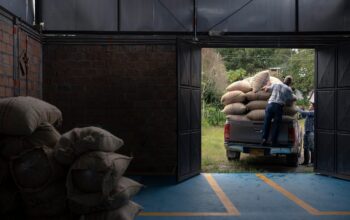
Picture this: a winter storm shuts down Midwest trucking. Meanwhile, geopolitical tensions threaten oil shipments through the Persian Gulf. At the same time, factories scramble to meet new carbon reduction targets. This isn’t a fictional doomsday scenario—it’s the reality facing supply chain managers in 2026.
The Perfect Storm: Multiple Crises Colliding
Global supply chains are experiencing what experts call a “polycrisis”—multiple problems happening simultaneously that amplify each other. Think of it like a house where the roof leaks, the foundation shifts, AND the pipes freeze all at once. You can’t fix one problem without considering the others.
Winter Storm Fern, which swept through North America recently, is being called the most significant supply chain disruption since the COVID-19 pandemic. The Midwest has been hit particularly hard, with trucking capacity becoming so tight that logistics companies are rejecting shipments at elevated prices. For manufacturers, especially those making electronics that depend on hundreds of components arriving on schedule, even small delays cascade into production shutdowns.
Climate and Energy: The Hidden Cost Driver
Here’s something that might surprise you: climate concerns aren’t just about saving the planet—they’re becoming a major business expense. Governments worldwide are enforcing stricter carbon pricing and emissions regulations. This means companies can’t simply choose suppliers based on the lowest price anymore. They have to consider whether a supplier can meet carbon reduction targets.
One major shift: energy sourcing has stopped being a purely cost-driven decision. Companies now treat energy strategy like they treat security—something essential that requires careful planning. Rising fuel costs for transportation and industrial processes create a ripple effect: raw material costs go up, manufacturing becomes more expensive, and these costs get passed along.
Tariffs and Trade Uncertainty: The New Reality
For decades, trade policy disrupted supply chains temporarily. Companies would wait it out, knowing things would return to normal. That’s changed. In 2026, tariffs and trade restrictions are being treated as permanent costs, not temporary inconveniences.
Recent tariff policies have created unexpected complications. New rules about where products originate and where materials can come from have become bewilderingly complex. Steel and aluminum tariffs now include long lists of “derivatives”—products made from these metals—that get taxed at similar rates. This forces manufacturers to constantly reassess where to source components and where to locate factories.
Geopolitical Tension and Chokepoint Failures
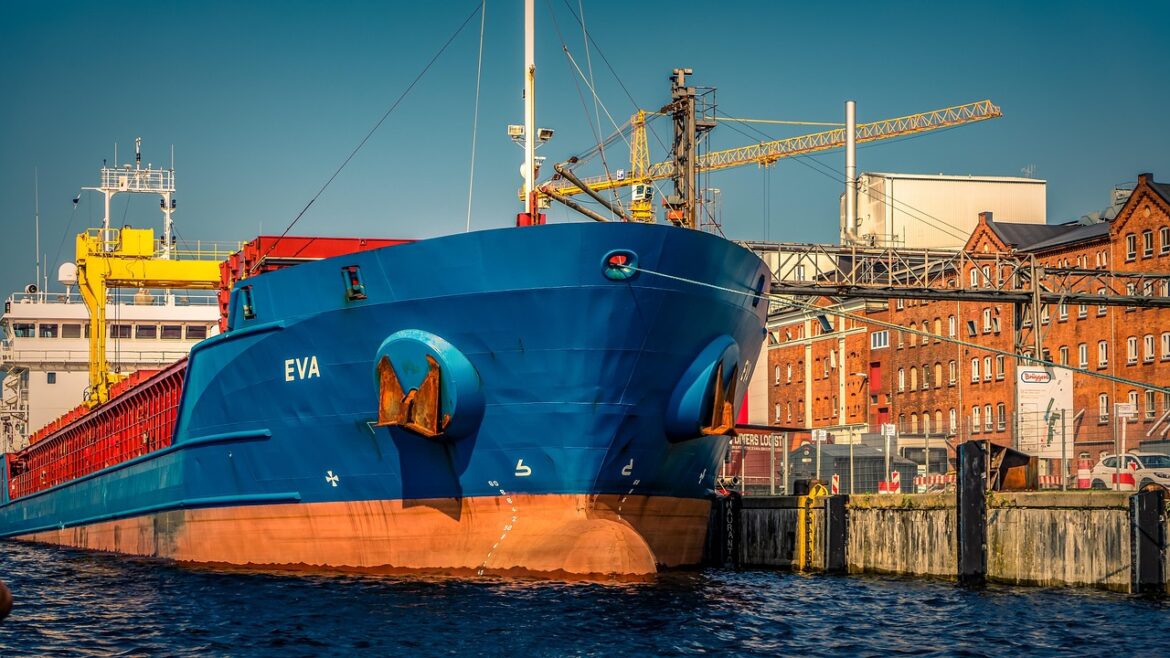
Oil prices recently surged due to disruptions affecting shipping routes through critical waterways. About a fifth of the world’s oil travels through these narrow corridors. When tensions rise in these regions, tankers hesitate to pass through, creating shortages and price spikes that ripple through every industry.
Major ports in places like Dubai, which connect Asia, Europe, and Africa, face similar pressure. As geopolitical instability spreads, the reliability of these crucial logistics hubs becomes questionable. Companies are responding by diversifying supply routes, but that takes time and money.
What Companies Are Actually Doing
Smart supply chain managers aren’t waiting around. They’re:
- Mapping vulnerabilities: Examining every step of their supply chain for potential disruptions from weather, politics, or regulations
- Keeping inventory lean: Holding smaller stockpiles to offset added costs from tariffs and transportation
- Diversifying sources: Moving away from long, complex supply chains that depend on single suppliers or regions
- Investing in resilience: Upgrading infrastructure to handle climate impacts like flooding and extreme heat
The Bottom Line
Supply chains in 2026 are fundamentally different from what they were five years ago. Companies must navigate trade uncertainty, climate regulations, extreme weather, geopolitical tensions, and rising energy costs—often simultaneously. Those that can adapt quickly, diversify smartly, and build flexibility into their operations will survive. Those that can’t will face mounting costs, production delays, and competitive disadvantages. The days of optimizing purely for cost are over. Now it’s about optimizing for survival.
References:
- https://supplychainrisk.io/the-energy-transition-is-rewriting-supply-chain-resilience/
- https://dynamicsourcemfg.com/why-global-supply-chains-are-becoming-less-predictable-in-2026/
- https://www.globaltrademag.com/2026-industry-report-supply-chain-disruptions-storm-fern-impact-and-sector-trends/
- https://kpmg.com/us/en/articles/2026/march-2026-supply-chain-update.html
- https://www.integritynext.com/resources/blog/article/managing-supply-chain-risk-in-uncertian-times
- https://insideecology.com/2026/03/04/the-oil-price-surge-is-just-one-symptom-of-a-supply-chain-network-that-is-not-fit-for-this-age-of-global-tensions/
- https://cmr.berkeley.edu/2026/03/applying-disciplined-imagination-in-identifying-supply-chain-vulnerabilities/