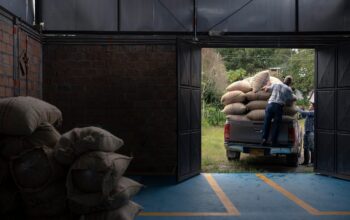
Hook: The supply chain landscape in 2025 is like a high-stakes relay race—speed, coordination, and adaptability are key to crossing the finish line unscathed.
Organizations worldwide face a whirlwind of challenges including geopolitical tensions, economic shocks, and climate disruptions. Against this backdrop, supply chain resilience and agility have shifted from buzzwords into urgent priorities.
New-Gen Supply Chains: Powered by AI and Sustainability
Imagine supply chains as living organisms that need to adapt quickly to their environment. In 2025, 70% of executives put new-gen supply chain transformations among their top tech priorities. This transformation leans heavily on artificial intelligence (AI), with 67% of leaders seeing agentic AI as a major productivity booster.
On the sustainability front, about three-quarters of organizations have implemented comprehensive strategies. These efforts not only protect the planet but also bring down costs and create long-term value — proving green business is smart business.
Cybersecurity is also on the rise, forcing companies to diversify suppliers, monitor threats in real-time, and navigate tariffs carefully to keep operations smooth.
Manufacturing Joins the Digital Revolution
Manufacturing isn’t just about machines anymore—it’s software-driven. Data dashboards, predictive maintenance, and remote support are now standard features on the factory floor.
Smart operations are unfolding as Industry 4.0 technologies take hold. Companies are blending legacy equipment with new digital tools, strengthening cybersecurity, and upskilling workers. The race to secure digitally fluent talent is heating up.
Preparing for Peak Season: Resilience and Flexibility
Peak season (think holiday or sale spikes) is set to push supply chains to their limits. A recent survey showed that 34% of supply chain pros plan to invest heavily in resilience for this hectic period.
Here’s how they’re gearing up:
- Supplier diversification: Nearly half aim to spread sourcing risks.
- Better fulfillment systems: Over a quarter want real-time inventory visibility.
- Safety stock: Increasing buffers on critical items to avoid stockouts.
- Automation: Reducing reliance on labor where shortages persist.
Technology platforms that unify supply chain operations are also key, offering flexibility to adapt to rapidly changing demands.
These developments highlight a shift from reactive to proactive supply chains—where technology, sustainability, and smart strategies come together to build durability and efficiency.
In essence, supply chains in 2025 are no longer just pipelines for goods; they are intelligent, resilient ecosystems tuned for the unpredictable rhythms of today’s global markets.
Ready or not, the future is here—and it’s powered by AI, sustainability, and digital smarts.
References:
- https://www.sdcexec.com/software-technology/ai-ar/news/22948953/capgemini-manufacturers-engineer-resilience-amid-global-supply-chain-volatility
- https://www.tecma.com/six-strategic-trends-shaping-the-future-of-manufacturing-in-2025/
- https://www.supplychaindive.com/spons/how-supply-chain-leaders-are-investing-in-peak-season-2025/758237/
- https://www.scmr.com/news/all/
- https://www.supplychaindive.com