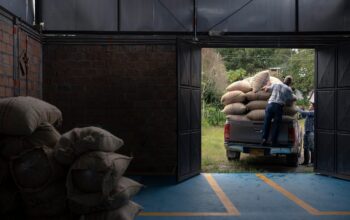
Hook: A Supply Chain on the Move
If supply chains were the bloodstream of global commerce, 2025 is the year they’re rapidly adapting to new terrains of cost, technology, and trade policy. Behind the scenes, companies big and small are wrestling with rising tariffs, increasing shipping fees, and a quest for smarter, more resilient operations.
1. Shipping Costs Are Ramping Up: UPS and FedEx Shift Pricing Rules
Imagine every inch of your package suddenly counting more towards the price tag. This is exactly what UPS and FedEx are doing with their new dimensional weight rules. Instead of rounding down fractions of an inch on package dimensions, carriers now round up — a change that might add thousands of dollars annually to businesses’ shipping bills. One reported example involves a shipper sending 2,500 packages a month who could see $32,000 more in costs annually just from this tweak.
This change underlines a broader challenge: shipping firms are recalibrating prices amid inflation and capacity crunches, and businesses must strategize accordingly.
2. Tariffs Spur a Shift in Sourcing Strategies
U.S. tariffs, especially those tied to the lingering Trump-era policies, are nudging retailers to rethink their supply sources. Top retailers like Target have drastically cut purchases from China, from 60% in 2017 down to 30% today, aiming for below 25% soon. This isn’t just a tweak — it’s a strategic reshaping of supply chains to sidestep tariff pinch points.
While the tariff dance can be tricky, some restaurants and retailers are managing to post solid growth despite pressures, proving that agile supply chains can weather even shifting economic policies.
3. Dynamic AI Stress Tests: Making Supply Chains More Resilient
Static supply chain checks are no longer enough in a world of daily volatility. Enter dynamic stress testing powered by AI — think of it as a continuous health check that simulates disruptions and tariff shocks to see which parts of your supply chain are vulnerable.
Examples from aerospace and natural gas exporters show how this approach helps companies map every supplier tier and instantly forecast how interruptions ripple through to revenues. The goal? To turn uncertainty into actionable insights and keep goods flowing even when trade winds shift.
4. Distribution and Warehouse Expansion Signal Confidence
Across North America, industrial capital projects in distribution centers and warehouses surged 22% in July 2025 alone. States like Ohio, New York, and Texas are hotspots for new constructions and expansions, responding to growing demand and the need for supply chain proximity.
Picture logistics hubs buzzing with activity — warehouses increasing space by hundreds of thousands of square feet to better handle inventory. This investment signals companies are not just reacting but planning long-term wins in supply agility.
5. Cutting Edge Tech: AI and Automation in Supply Chains
AI and automation aren’t just buzzwords; they’re the backbone of transforming supply chains into intelligent, adaptive networks. By automating routine tasks and using AI to forecast disruptions, firms gain the ability to act faster and with precision.
The big metaphor might be: From rigid, fragile chains to flexible, smart webs that can bend without breaking when faced with shocks — that’s the future being built today.
Bottom line? Supply chains in 2025 are in a state of transformation brought on by shipping cost recalibrations, trade tensions, AI-powered resilience tools, and bold infrastructure investment. For companies and workers alike, staying ahead means adapting fast and thinking smart about where goods come from, how they move, and which technologies to embrace.
By understanding these real-world shifts — not just the theory — supply chain leaders can navigate turbulent waters and keep commerce cruising forward.
References:
- https://logisticsviewpoints.com/2025/08/08/supply-chain-and-logistics-news-august-4th-august-7th-2025/
- https://lipperalpha.refinitiv.com/2025/08/q2-2025-u-s-retail-preview-retailers-shift-supply-chains-amid-tariff-pressures/
- https://hbr.org/2025/08/use-ai-to-stress-test-your-supply-chain
- https://www.salesleadsinc.com/blog/2025/august/new-distribution-and-supply-chain-planned-industrial-project-grew-22-mom-july-2025/
- https://www.supplychaindive.com
- https://www.spglobal.com/en/research-insights/market-insights/global-trade/supply-chains
- https://www.scmr.com/article/building-resilient-supply-chains-how-ai-automation-and-emerging-technologies-are-shaping-the-future-of-global-trade