Supply chains are in the middle of a wild ride, and the latest headlines show just how much things are changing. Whether you’re a shopper, a business owner, or just curious about how stuff gets from factory to front door, here’s what’s happening right now.
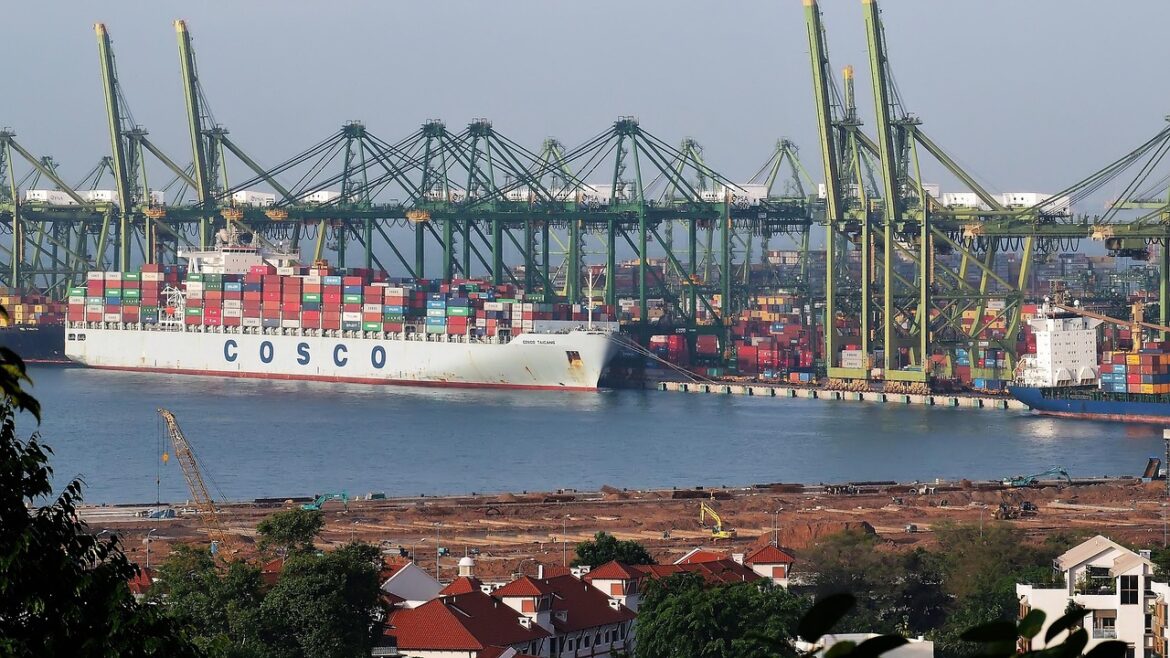
Ports Stay Busy Despite Tariff Fears At the Port of Long Beach, one of the busiest in the U.S., cargo volumes are still climbing. Even with new tariffs looming, companies have been rushing to get goods in early—a move called ‘frontloading.’ This has kept the port humming, with 8.2 million shipping containers handled by October, up 4.1% from last year. But experts warn this boom might not last. With most holiday goods already in, the next few months could see a slowdown. Store shelves are full, and prices haven’t spiked—thanks to smart moves by retailers who either brought in goods early or absorbed extra costs themselves.
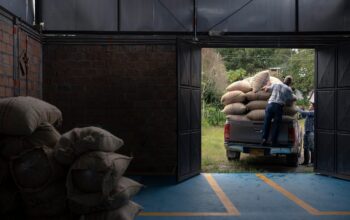
Warehouses Turn Into Tech Hubs Warehouses aren’t just storage spaces anymore. Big names like Amazon and Walmart are using data, robotics, and AI to speed up deliveries and track inventory more precisely. Amazon, for example, has cut its U.S. inbound lead time by nearly four days, meaning packages arrive faster. Walmart is teaming up with tech companies to use sensors that monitor pallets from warehouse to store, making sure nothing gets lost or delayed. These upgrades are turning warehouses into the brains behind faster, smarter supply chains.
Trade Lanes Are Shifting With tariffs and global tensions, companies are rethinking where they source goods. Many are moving away from China and looking to Southeast Asia for manufacturing. This isn’t just about cost—it’s about resilience. If one region faces disruptions, having options elsewhere helps keep things moving. Carriers like DHL are also adjusting, focusing on cost savings and exploring new trade routes as old exemptions end.
Tech and Sustainability Go Hand in Hand Big players like Nestlé and Morgan Stanley are making moves to cut emissions and invest in green projects. Nestlé is still committed to reducing greenhouse gases across its supply chain, while Morgan Stanley plans to invest $200 billion in sustainability initiatives. These efforts show that supply chains aren’t just about moving goods—they’re also about doing it in a way that’s better for the planet.
What’s Next? The supply chain world is changing fast. Tariffs, tech, and shifting trade lanes are all part of the story. Whether it’s ports staying busy, warehouses getting smarter, or companies going green, one thing’s clear: adaptability is the name of the game.
References:
- https://www.supplychaindive.com
- https://www.supplychaindive.com/news/port-of-long-beach-cargo-volumes-tariffs-national-retail-federation/805182/
- https://www.scdigest.com
- https://www.ismworld.org/supply-management-news-and-reports/news-publications/inside-supply-management-magazine/2025-november-december/
- https://www.supplychainbrain.com