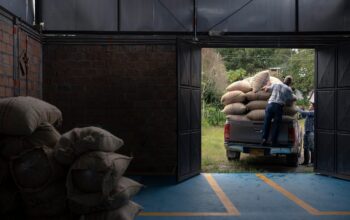
Imagine Your Next Amazon Package Stuck in Tariff Hell
Picture this: youre clicking buy on your phone, expecting that package tomorrow, but behind the scenes, supply chains are dodging geopolitical landmines, AI hype hangovers, and worker shortages. Welcome to 2026, where the global goods game is flipping from just-in-time tricks to tough-it-out resilience. Experts like Abe Eshkenazi, CEO of the Association for Supply Chain Management, call it a self-correcting revolutionthink supply chains that predict hiccups like a weather app for logistics.
Trend 1: Geopolitical Drama Forces a Supplier Shuffle
Its like musical chairs for factories. With tariffs looming and trade wars brewing, companies are ditching far-flung single suppliers for a diversified, regional mix. Think swapping China-only parts for hubs closer to home in Mexico or Vietnam. Prologis reports economic volatility tops worries at 51%, followed by tariffs at 48%. Real talk: retailers are regionalizing to avoid getting slammed by the next policy punch.
- Why it matters: No more betting the farm on one sourceone factory fire or sanction, and youre toast.
- Example: Manufacturers closing underused plants and consolidating distribution to stay nimble.
Trend 2: AI Hype Meets Reality Check
AI was the shiny new toy everyone chased, but now its recalibration time. Eshkenazi notes big investments havent delivered jackpot ROIs yet. Instead of magic fixes, were seeing practical wins like AI spotting disruptions and tweaking flows automatically. SPS Commerce highlights full-service AI for near-instant delivery, turning orders into unified ops across channels.
- Conversational nudge: Its not Skynet; its more like a smart assistant whispering, Hey, reroute that truck before the storm hits.
- Whats next: Sense-and-respond systems replace rigid plans, with daily check-ins over quarterly chats.
Trend 3: Cost-Cutting Becomes Obsession
In turbulent times, every penny counts. Experts predict rising costs from trade flux will spark network tweaksplant closures, smarter sourcing. Clarkston Consulting pushes cost-to-serve analysis, tallying everything from trucking to tariffs. Its like auditing your grocery bill but for entire empires.
Trend 4: Workforce Woes Hit Hard
From grizzled vets retiring to green recruits needing AI skills, labor is the new bottleneck. Immigration rules and automation widen gaps, says analyst Hong. Mid-market manufacturers must reinvent teams, blending humans with bots.
- Relatable bit: Imagine your warehouse crew shrinking while robots take grunt workimagine training the rest to think strategically.
Trend 5: Resilience Over Cheap Thrills
The old just-in-time model? Dead. Now its buffer stocks, omnichannel visibility, and digital twins for what-if simulations. Wholesale leaders use data to act fast, turning chaos into edge.
Bottom line: 2026 rewards the adaptable. As Eshkenazi puts it, supply chains are evolving to self-heal. For your biz, start with visibility tools and diverse partnersstay ahead or get left in the dust.
References:
- https://www.spscommerce.com/sps-innovation-drop/jan-2026/
- https://www.supplychaindive.com/news/supply-chain-trends-risks-2026-retail-manufacturing/808797/
- https://clarkstonconsulting.com/insights/2026-supply-chain-optimization-trends/
- https://www.globaltrademag.com/top-5-supply-chain-trends-for-2026-navigating-uncertainty-tariffs-and-ai/
- https://www.scmr.com/article/4-trends-manufacturers-need-to-master-to-conquer-2026
- https://www.prologis.com/insights-news/research/supply-chain-30-new-strides-risk-readiness
- https://www.supplychainbrain.com/blogs/1-think-tank/post/43044-the-trends-that-will-define-retail-supply-chains-in-2026