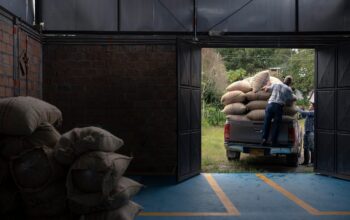
Imagine your favorite coffee brand suddenly facing a $200 million bill just to keep things running smoothly. That’s the reality for Keurig Dr Pepper, which is betting big on a supply chain overhaul after spinning off its coffee business. The company expects to save half of its targeted $400 million in costs by streamlining how it moves products from factory to shelf. It’s not just about cutting corners—it’s about staying competitive in a world where every dollar counts.
But Keurig Dr Pepper isn’t alone. Across industries, companies are feeling the squeeze. Tariffs, those taxes on imported goods, are back in the spotlight. The Supreme Court is expected to rule soon on whether certain tariffs will stick or get rolled back. Supply chain leaders are holding their breath. If tariffs stay, companies may have to scramble for new suppliers or pass costs on to customers. If they go away, it could mean a wave of new deals and shifting trade routes. Either way, it’s a reminder that global supply chains are like a game of Jenga—pull one block, and the whole tower might wobble.
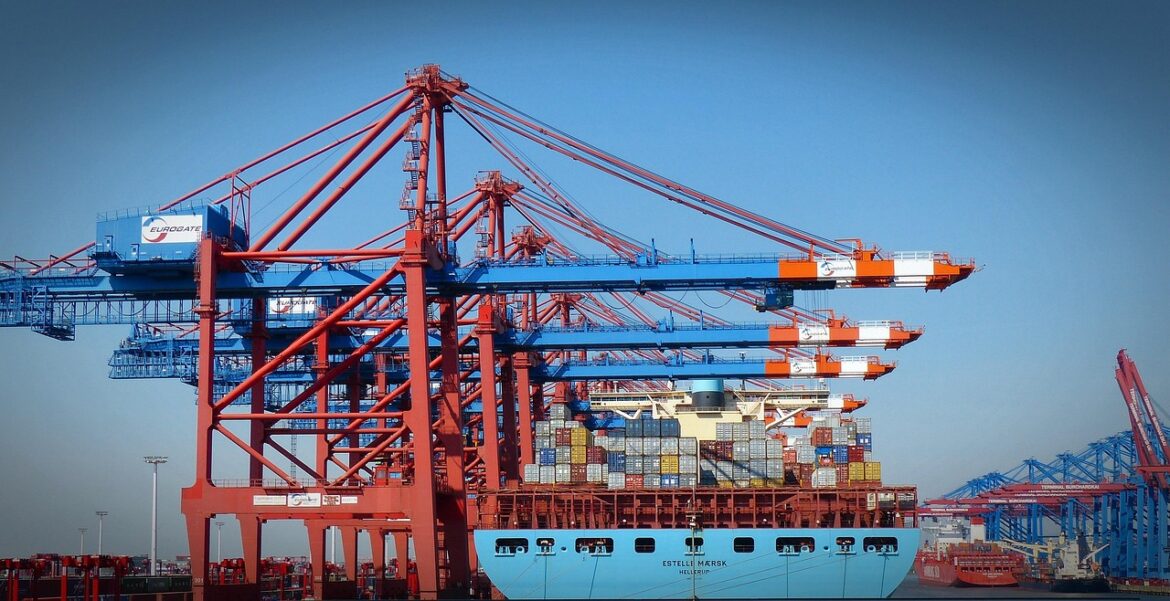
Maersk, one of the world’s biggest shipping companies, is seeing this play out in real time. In November, demand from Europe to North America has picked up, but there’s still space on many ships. That’s good news for companies that need to move goods quickly. But not everywhere is so smooth. Ports in Antwerp and Rotterdam faced labor disruptions, and low water levels are making it harder to get shipments into Canada. Maersk is urging businesses to book early and build in extra time for deliveries. If you’re shipping from India, tariffs are still biting, and a new peak season surcharge could be on the way. The message? Plan ahead, stay flexible, and don’t count on everything going according to schedule.
Meanwhile, the food and beverage industry is dealing with its own set of headaches. Behind every chocolate bar or bag of chips is a web of farms, factories, and trucks. These supply chains are long, complicated, and often lack transparency. That means risks—like environmental damage, labor issues, or food safety problems—can hide in plain sight. Companies are turning to tools like Sedex to get a clearer picture of what’s happening in their supply chains. The goal isn’t just to avoid scandals; it’s to build trust with customers and investors. When people know where their food comes from, they’re more likely to stick with brands they believe in.
Here’s the bottom line: supply chains are no longer just about moving goods from point A to point B. They’re about managing risk, building resilience, and staying ahead of surprises. Whether it’s tariffs, shipping delays, or food safety concerns, companies that pay attention to these trends are better positioned to succeed. As one supply chain executive put it, “It’s not about avoiding problems—it’s about being ready when they show up.”
So what can businesses do? Here are a few practical tips:
- Stay flexible: Don’t put all your eggs in one basket. Have backup suppliers and shipping routes ready.
- Plan ahead: Book shipments early, especially during peak seasons or when disruptions are likely.
- Be transparent: Know where your products come from and what risks might be lurking in your supply chain.
- Invest in resilience: Use data and technology to spot problems before they become crises.
Supply chains are the backbone of the global economy, and they’re changing fast. Whether you’re running a coffee company, shipping goods across the ocean, or making snacks for supermarkets, the key is to stay alert, stay agile, and keep moving forward.
References:
- https://supplychaindigital.com/news/top-five-stories-in-supply-chain-nov-7
- https://www.maersk.com/news/articles/2025/11/07/north-america-market-update-november
- https://talkinglogistics.com/2025/11/07/above-the-fold-supply-chain-logistics-news-november-7-2025/
- https://www.sedex.com/blog/food-beverage-supply-chains-insights-2025/
- https://www.helicopterinvestor.com/news/104276/bristow-7/
- https://www.supplychaindive.com/news/keurig-dr-pepper-jde-peets-acquisition-supply-chain-benefits/804822/