Supply chains are the backbone of modern business, but lately, they’ve been anything but steady. Whether it’s tariffs, tech upgrades, or sustainability pushes, companies are making big moves to keep up with the times.
Tariff Twists and Trade Deals
Trade is getting a makeover. The US recently removed tariffs on UK pharmaceuticals, easing the path for vital medicines and medical tech to cross the Atlantic. At the same time, a new pact with South Korea means US tariffs on Korean cars and auto parts are capped at 15%, retroactive to November 1. These changes are helping companies plan ahead and avoid costly surprises.
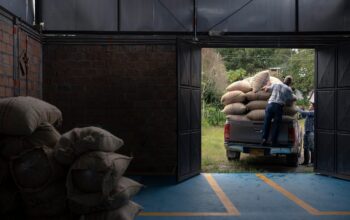
On the flip side, Brazil’s coffee and other agricultural products are now exempt from hefty US tariffs, a relief for farmers and importers alike. These moves show how global trade is shifting, with governments trying to balance protection and partnership.
Tech Takes Over
Automation is no longer just a buzzword—it’s a reality. Walmart, for example, now moves more than half of its e-commerce fulfillment center volume through automated systems. This isn’t just about robots; it’s about smarter, faster, and cheaper shipping. Meanwhile, Walmart is also testing AI agents to handle everything from shopping to staffing, making supply chains more responsive and efficient.
Other companies are following suit. Couche-Tard just opened a new distribution center in Minnesota, the first of three planned upgrades to support its Circle K and Holiday Station stores. These investments are all about keeping shelves stocked and customers happy.
Green Supply Chains Go Mainstream
Sustainability is moving from a nice-to-have to a must-have. Kimberly-Clark, the maker of Kleenex and Huggies, is switching to green hydrogen at its UK mills to cut natural gas use and emissions by 2027. Morgan Stanley, the Wall Street giant, is investing $200 billion in climate-friendly companies and projects, while scaling back fossil fuel investments.
These moves aren’t just about saving the planet—they’re about staying competitive. As consumers and regulators demand greener practices, companies are stepping up to meet the challenge.
What’s Next?
Supply chains in 2025 are a mix of old and new. Tariffs and trade deals are reshaping global flows, automation and AI are making operations smoother, and sustainability is becoming a core business priority. For companies and workers alike, the message is clear: adapt or get left behind.
References: