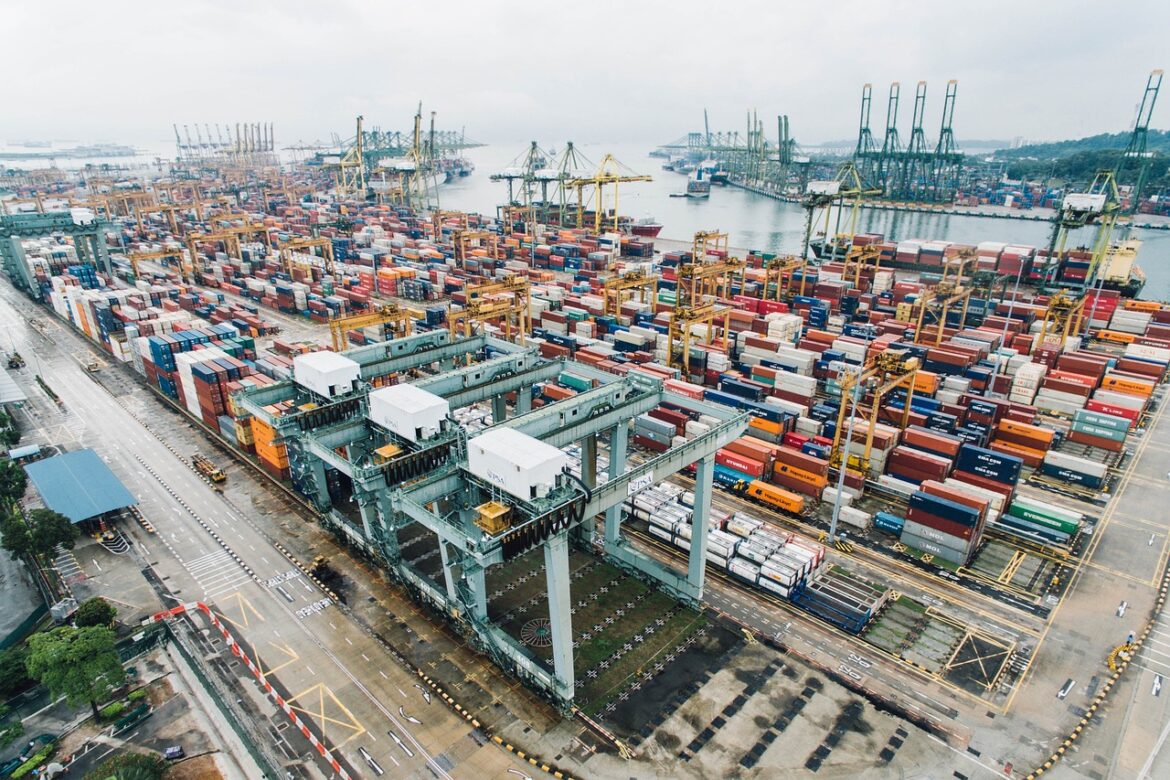
Hook: The Supply Chain Rollercoaster in 2025 Supply chains in 2025 feel a bit like a complex game of chess—companies are making bold moves to navigate disruptions, tariffs, and shifting trade routes. Let’s dive into some real-world stories of how top players are managing this turbulence.
Nvidia’s Supply Chain Mastery Powers AI Boom Nvidia has stunned investors with a 62% revenue jump year-over-year, driven by massive demand for its new Blackwell AI chips. Despite complex supply chain challenges, Nvidia’s management confidently predicts even stronger sales ahead, thanks to accelerating shipments. Their secret? Tight supply chain coordination that keeps margins high even as input costs rise. Nvidia’s story proves that a company can thrive by mastering supply chain agility amid a tech boom.
Global Supply Chain Disruptions: Tough Waters for Many Across industries, supply chains remain rocky. Companies like Ultralife Corporation reported losses due to delayed orders and logistics hitches leading to cost cuts including facility closures. On the flip side, firms diversifying suppliers and embracing nearshoring or multishoring show resilience, balancing “just-in-time” with “just-in-case” inventory strategies to reduce risk.
Tariff Dynamics in Play—A Silver Lining for U.S. Aluminum Century Aluminum’s stock skyrocketed 80% in recent months, partially thanks to a protective 50% U.S. aluminum import tariff. This policy gave domestic producers a competitive edge, attracting strategic investors like Glencore, which adjusted holdings to seize gains. This example underscores how shifting tariffs can reshape competitive landscapes and stocks.
FedEx Foresees Long-Term Supply Chain Changes FedEx CEO Raj Subramaniam highlighted that global supply chain shifts due to technology and geopolitical risks are not transitory but structural. He noted a $1 billion impact this year from trade volatility—especially shrinking China-U.S. shipments compensated by rising flows to Europe, Latin America, and Asia. The company is redeploying resources to adapt smartly, showing proactive strategy in dynamic trade environments.
Inflation, Shipping Costs, and Market Volatility Though some manufacturing activity has picked up, shipping costs remain higher than normal, pressuring fragile supply chains. Market volatility also impacts risk tolerance among investors, forcing companies to rethink defensive strategies amid geopolitical tension and cyber threats.
Quick Takeaways for Business Leaders and Investors
- Mastery of supply chain logistics can fuel growth even in volatile markets (Nvidia).
- Diversification and nearshoring can buffer against persistent global disruptions.
- Tariffs can create winners and losers, affecting stock valuations dramatically (Century Aluminum).
- Structural shifts in trade flows demand nimble capacity redeployment (FedEx).
- Inflation and geopolitical risks keep markets cautious; supply chain strategies must be robust and adaptable.
In this ever-shifting supply chain environment, success hinges on flexibility, foresight, and the ability to adjust to evolving global realities.
References:
- https://www.ullandinvestment.com/weekly-market-update-for-november-21-2025/
- https://www.ainvest.com/news/manufacturing-activity-downturn-supply-chain-strain-inflation-caution-2511/
- https://markets.financialcontent.com/wral/article/marketminute-2025-11-19-global-supply-chains-reel-under-persistent-disruptions-fueling-commodity-volatility-and-market-caution
- https://www.nasdaq.com/articles/four-peg-driven-garp-winners-uncertainty-november-2025
- https://www.morningstar.com/news/marketwatch/20251123129/why-the-stakes-for-stocks-are-so-high-in-this-short-thanksgiving-trading-week-ahead
- https://www.ttnews.com/articles/fedex-ceo-supply-chain-shock
- https://www.supplychaindive.com