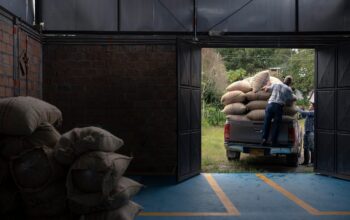
Grocery shopping is no longer just about picking what’s on the shelf. Behind every fresh carrot or box of cereal is a complex, evolving chain of supply innovations that keep our pantries stocked and our meals fresh. In 2025, this supply chain landscape is transforming rapidly with technology, new business strategies, and consumer demands driving change. Let’s unpack five concrete stories and trends shaping the grocery supply chain today.
1. AI and Real-Time Inventory: Smarter Shelves for Happier Shoppers
Gone are the days of empty shelves or surprise shortages. Grocery platforms are now using AI-driven systems that sync inventory across suppliers in real time. Imagine a grocery app where you instantly know if your favorite brand is in stock, with the system automatically reordering before supplies run dry. Not only does this cut down customer frustration, but it streamlines supply chain operations and cuts waste.
Example: Wave Grocery’s platform offers multi-store support and distance-based pricing that tailors product availability based on location — a game changer for both large chains and local stores.
This tech also means shoppers are getting better service with more reliable delivery windows and live order tracking from payment to doorstep — bringing certainty to an otherwise unpredictable process.
2. Fresh Food Meets High Tech: Precision Meets Experience
Fresh departments — think fruits, veggies, meats — are often where people judge a grocer’s quality. However, they’ve historically depended on human instinct for stocking and quality decisions. Now, advanced data analytics and connected sensors monitor temperature and storage conditions throughout the supply chain.
Real-world effect: This means fresher produce and meats hitting shelves with better safety standards. Sensors send live updates to managers if temperature deviates on the transport truck, allowing quick fixes before spoilage.
Experts from the Food Marketing Institute highlight these tools enhance rather than replace human expertise, partnering tech with craftsmanship to minimize waste and protect customer trust.
3. Precision Farming and Sustainable Supply Chains
The supply chain starts way before the store — at the farm. 2025 is seeing a surge in AI-powered automation and IoT sensors enabling farmers to monitor crops in real time and adjust resources effectively. This precision farming leads to higher yields with fewer inputs, which means more sustainable and cost-efficient sourcing.
Market watchers note companies investing in climate-resilient crops and regenerative agriculture are gaining investor favor—they represent the future of stable, eco-friendly food production.
For supply chains, this means shorter delays, less spoilage, and better transparency from farm to fork.
4. Grocery E-Commerce Boom and Omnichannel Convenience
E-commerce grocery sales are skyrocketing, with some platforms reporting double-digit growth year over year. The world’s turning to online shopping, and grocery supply chains are racing to keep up.
In Europe, for instance, private label sales — those store-branded goods often cheaper than big brands — are capturing more market share, helped by digital platforms that offer tailored promotions and subscription services.
Grocers who combine brick-and-mortar stores with efficient online services, flexible delivery, and click-and-collect options are winning customer loyalty, offering convenience without sacrificing quality.
5. Turning Supply Chain Struggles Into Innovation
Supply chains have faced significant disruptions—from climate impacts to global trade shifts. Rather than getting stuck, food companies are turning challenges into flavor and product innovations.
By building agility into research and development, they can quickly reformulate products when ingredients get scarce or more expensive. For example, social media trends inspire new flavor profiles and recipes that also use alternative, more sustainable ingredients.
Such flexibility not only keeps shelves stocked but connects companies with dynamic consumer interests, maintaining brand relevance.
In essence, grocery supply chains in 2025 aren’t just pipelines moving products; they’re dynamic networks enhanced by AI, data, and human creativity. Whether it’s smarter stocking, fresher produce, precise farming, booming digital sales, or agile innovation, these real-world shifts make grocery shopping smoother and more satisfying.
For grocery leaders and employees, understanding and embracing these trends is essential—not just to survive but to thrive in a future where supply chains are the backbone of delicious, trustworthy food on every table.
References:
- https://www.brimco.io/the-future-of-grocery-shopping/
- https://www.fmi.org/blog/view/fmi-blog/2025/09/25/where-does-technology-meet-fresh-foods
- https://farmonaut.com/blogs/farm-and-food-based-stocks-top-innovation-trends-2025
- https://www.gulfood.com/insights/grocery-trade-s-worth-attention-pause-read-partner
- https://tableo.com/food-beverage-trends/understanding-food-and-beverage-trends-2025/
- https://www.fooddive.com/spons/how-to-turn-supply-chain-struggles-into-flavor-innovation/760208/
- https://www.esri.com/about/newsroom/publications/wherenext/nexttech-grocery-discount