Hooked on the Game: When Sports Collide with Supply Chains
Imagine this: it’s Super Bowl Sunday, millions of guacamole bowls are being demolished across America, and behind the scenes, a high-stakes relay race is underway. That’s the world of supply chains in sports – think of it as the invisible playbook that keeps the party going, the jerseys stocked, and the gear flowing. Lately, these chains are facing their own Super Bowl-level pressures, from avocado avalanches to store shutdowns. We’re diving into five trending stories that show the wins, fumbles, and overtime battles shaping this space. No jargon, just real talk on how it affects the games we love.
1. Super Bowl 2026: Avocados Under the Lights
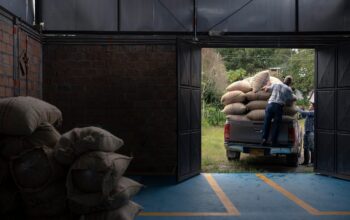
Picture Mexican orchards buzzing like a pre-game locker room. For Super Bowl 2026, Mexico’s gearing up to ship about 120,000 tons of avocados to fuel America’s guac obsession. It’s not the wild growth spurt of years past – exports are stabilizing, like a team settling into a solid rhythm. Dr. Bertha Martínez Cisneros, a logistics whiz from CETYS University, calls it a maturing market. ‘The Mexican avocado still rules, but the Super Bowl boom is more predictable now,’ she says.
But here’s the plot twist: tougher certifications for things like origin tracking are cranking up costs and delays right when demand peaks. It’s like adding extra defenders just before kickoff – every second counts from farm to fridge. Packers and shippers are razor-focused on efficiency to keep profits from fizzling. This big game is a real stress test, pushing the chain to stay tough and quick.
Key takeaways:
-
Huge volumes, but steady – no more exponential spikes.
-
Certifications build trust but squeeze timelines.
-
Lesson for businesses: precision is your MVP in peak seasons.
2. Sporting Goods Vet Rocky’s Great Outdoors Calls It Quits
After 54 years slinging motorcycles, gear, and outdoor apparel, Rocky’s Great Outdoors is shutting down. Liquidation sales kicked off February 7, 2026, with deep discounts across the board. It’s a gut punch in an industry already bruised by online giants and picky shoppers.
Tariffs, cautious spending, and e-commerce competition are the culprits. Analyst Joseph Feldman from Telsey Advisory notes it’s the same old grind, amplified by digital rivals. A McKinsey report flags that 84% of execs worry about geopolitical hits, like looming tariffs messing with pricing and sourcing. Think Olympia Sports (closed 2022 after bankruptcy) or Moosejaw (folded into Dick’s in 2024) – icons fading fast.
Rocky’s hired liquidation pros to clear inventory, but it spotlights how supply chains for sports retail are wobbling. Sourcing gear amid trade woes? That’s the real endurance sport.
Quick hits:
-
Macro pressures: tariffs slow sales, cut foot traffic.
-
Online shift: brick-and-mortar fighting for air.
-
Broader trend: more closures looming if costs don’t ease.
3. FedEx’s Network Overhaul: Logistics Sprint for Sports Shippers
FedEx is trimming fat with Network 2.0 – closing ship centers and laying off staff to streamline. Updated as of late January 2026, it’s reshaping how gear zips to stores and fans. For sports brands shipping jerseys or equipment, this means tighter networks but potential hiccups during crunch times like playoffs.
It’s like a coach benching underperformers to build a leaner squad. Shippers watch closely as overcapacity risks loom in 2026 trends.
4. Walmart’s Robotics Push Hits Distribution – Game-Changer for Sports Gear?
Walmart’s dropping $330 million on automation and robots at its Louisiana center, part of upgrading all 42 facilities this year. Sports apparel and equipment will flow faster, cutting costs. Plus, Walmart Exports launches soon for cross-border hauls to Mexico and Canada – perfect for international fan merch.
Analysts see this as a counterpunch to labor shortages and rising demands. Tractor Supply’s eyeing 1,200 stores for final-mile delivery too, slashing transport bucks.
Why it matters: Faster, cheaper logistics mean more affordable sports stuff on shelves.
5. Manufacturing PMI Glows: Supplier Slowdowns in Sports Gear World
January 2026’s ISM Manufacturing PMI hit 52.6 – the highest in four years, signaling expansion. Orders for restocking and tariff prep drove it. But supplier deliveries slowed (index at 54.4), especially in transportation equipment, machinery, and chemicals – key for bikes, balls, and apparel production.
Execs gripe about buyer hesitation tied to election uncertainty: ‘Hope is the word, but orders lag,’ one Transportation Equipment respondent vented. Five big industries reported delays, like a traffic jam before game day.
Bullseye insights:
-
Growth ahead, but suppliers lagging.
-
Industries hit: those making sports hardware.
-
Tip: Stock up smartly to dodge slowdowns.
The Bigger Playbook: What’s Next for Sports Supply Chains?
These stories paint a field full of contrasts – avocado heroics amid retail heartbreaks, tech upgrades battling delays. Sports isn’t just games; it’s a supply chain sprint where tariffs, tech, and tastes call the shots. Brands winning? Those adapting fast, like Walmart with robots or Mexico’s efficient groves. For workers and fans, it means watching prices and availability closer than the score.
Dr. Martínez Cisneros sums it up: markets mature, but chains must evolve. Stay nimble, folks – the next quarter’s always unpredictable.
References:
- https://beyondbordersnews.com/super-bowl-2026-puts-mexican-avocado-supply-chain-to-the-test/
- https://www.supplychaindive.com
- https://www.thestreet.com/retail/beloved-sporting-goods-store-rockys-great-outdoors-shutting-down-after-54-years
- https://www.prnewswire.com/news-releases/manufacturing-pmi-at-52-6-january-2026-ism-manufacturing-pmi-report-302675443.html
- https://www.sportsbusinessjournal.com