Travel’s Productivity Revolution: Beyond Destinations to Deeper Experiences
Imagine swapping the frantic pace of hopping cities for a calm, productive week at one place, punctuated by scenic day trips. This isn’t just wishful thinking—it’s the growing trend called “slow travel,” reshaping how we work and unwind on the road.
1. Slowing Down to Speed Up Productivity
Digital nomads are dialing down their whirlwind tours, and instead, choosing to linger longer. On average in 2025, nomads visit about 6 destinations with stays stretching to over 6 weeks each. This slows the travel churn, reduces stress, and fosters genuine immersion—leading to better social connections and deeper cultural knowledge. It’s a smart productivity hack, allowing workers to settle into a rhythm where work and life flow better.
2. Tethered Nomadism: Keeping Work Close, While Exploring
Not everyone thrives fully untethered. Increasingly, travelers adopt “tethered nomadism,” picking locations within reach of their offices or clients. This strategy balances freedom with professional obligations—offering flexibility without the chaos of constant relocation.
3. AI Joining the Journey
The tech landscape is evolving fast, fundamentally enhancing travel productivity. AI tools are woven into everything from marketing tours to customer service, speeding up routine tasks like responding to queries or generating content. Virtual assistants help navigate language and cultural hurdles effortlessly. Even tour operators are embracing AI, with 80% integrating it into their workflows for marketing and analytics, boosting efficiency and streamlining planning.
4. Workations Reimagined
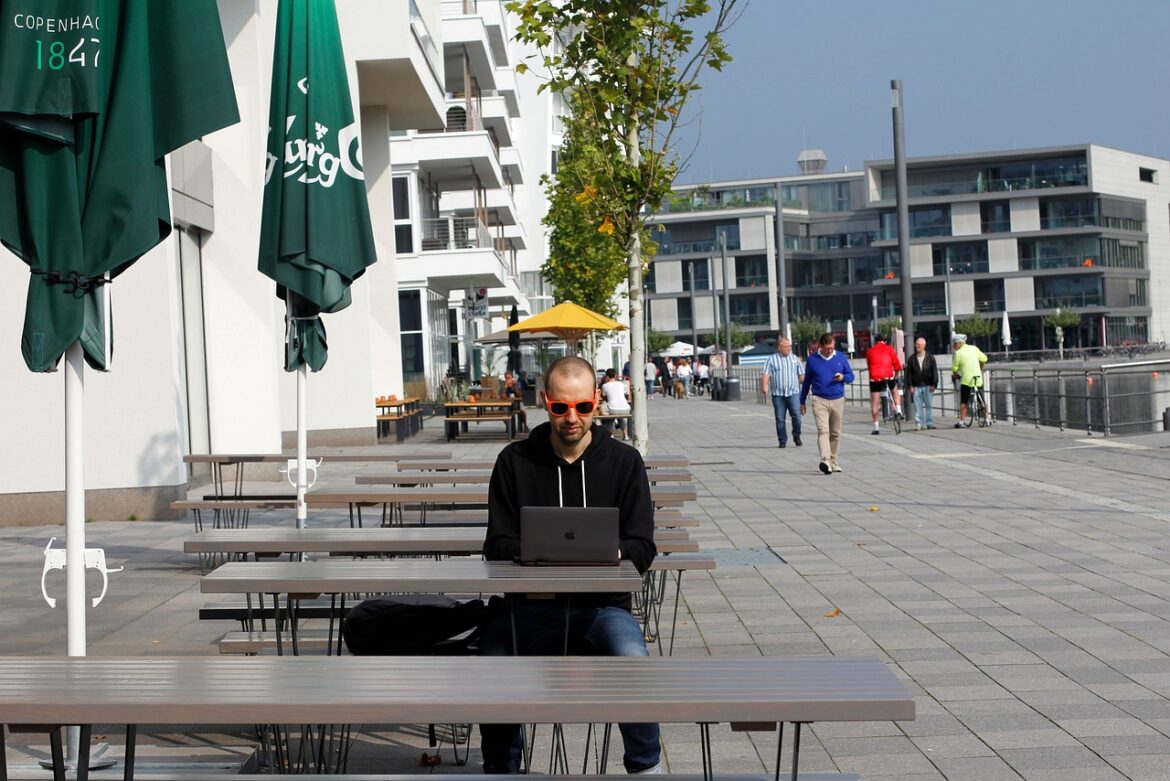
Gone are the days of burnout-inducing work-vacations. Now, choosing a single base for a week, aligning meetings thoughtfully, and combining work with leisure leads to sustained productivity and relaxation. The idea is to be where you are, slow down your pace, and foster mental well-being alongside output.
5. The Role of Rail and Remote Tech
Beyond airports and flights, rail travel is regaining momentum. More dependable regional train services and night trains support slow travel’s ethos, making it easier and more sustainable to stay put or venture nearby. Improved internet infrastructure and collaboration software keep remote workers seamlessly connected.
By blending these trends—slowing travel tempo, tethering work ties, leveraging AI, and rethinking work-travel balance—2025 marks a new chapter in productive travel. It’s not just about where you go, but how you inhabit the journey that truly powers success.
For anyone juggling work and wanderlust, the message is clear: slow down, plug in smartly, and savor the space to thrive.
References:
- https://www.mbopartners.com/state-of-independence/digital-nomads/
- https://thetraveltinker.com/trends/change-how-you-vacation-forever/
- https://www.travelandtourworld.com/news/article/the-ai-revolution-in-the-travel-industry-enhancing-productivity-and-innovation-in-2025/
- https://www.travelmarketreport.com/packaged-travel/articles/ustoa-conference-2025-tour-operator-association-recap
- https://phptravels.com/blog/10-trends-in-the-travel-industry-by-2030
- https://www.businesstravelexecutive.com/special-report/more-than-a-stay/
- https://www.businesstravelnews.com/Intelligence/LARC-Forecasts-Higher-26-US-Hotel-Rates-Soft-Corp-Demand
- https://www.insidertravelreport.com/ustoa-kicks-off-2025-conference-with-survey-of-hows-the-tour-business