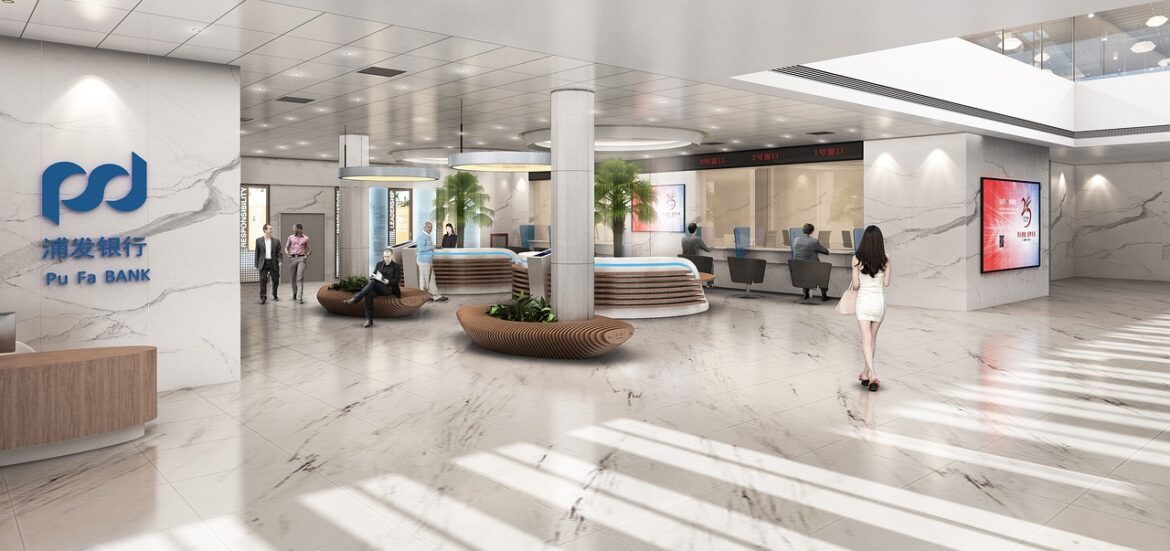
Introduction to Innovative Travel Designs<br CrossRef(Dictionary):Imagine stepping into a world where every travel experience is a fusion of style, comfort, and sustainability. Whether it's a hotel lobby, an aircraft cabin, or a train station, design is playing a crucial role in shaping how we travel and feel during our journeys. This article delves into some of the most exciting design trends and stories that are revolutionizing the travel industry.
1. Hotels: Where Design Meets Experience<br The hotel industry is seeing a significant shift towards creating unique experiences through design. Hotels are no longer just places to stay; they are destinations that offer a blend of cultural, architectural, and artistic experiences.
- Biophilic Design: This trend involves incorporating natural elements into hotel spaces. It includes elements like indoor plants, natural lighting, and eco-friendly materials. For instance, using lush greenery in hotel lobbies not only enhances aesthetics but also purifies the air and creates a calming ambiance.
- Local Authenticity: Hotels are now focusing on reflecting local culture and heritage through their interior designs and artwork. This can range from using local materials in construction to showcasing regional art pieces.
2. Airbus A350-1000: Raising the Bar for Luxury Travel<br Airbus has unveiled a stunning new design for its A350-1000 aircraft, focusing on first-class suites that redefine luxury travel. This flagship aircraft offers spacious cabins, custom fascia panels, and integrated lighting, creating an exclusive and refined travel environment.
3. Innovative Hotel Lobby Designs<br Hotel lobbies are becoming more than just entrances; they are central hubs that set the tone for a memorable stay. From the incorporation of interactive technology to the use of vibrant colors and artistic themes, lobbies are transforming into engaging spaces that inspire creativity and conversation.
- Artistic Expression: Many hotels are incorporating art into their design, creating immersive experiences for guests. For example, the Joseph Hotel in Nashville combines art with sleek modern design.
- Technological Integration: Modern lobbies often feature digital installations and smart technology, keeping guests connected and entertained.
4. Sustainable Destinations for Responsible Travel<br With increasing awareness about sustainability, travelers are looking for destinations that support environmental and social responsibility. Places like Ireland are improving their sustainability ratings, making them more attractive for those seeking ethical travel options.
5. Transforming Airport Architecture<br Airports, too, are evolving in terms of design. They are shifting from mere transit points to destinations that offer unique experiences, including breathtaking architecture, shopping, and dining options. This shift highlights the role of design in transforming the entire travel journey.
Conclusion<br Design in travel is no longer just about aesthetics; it's about crafting memorable experiences, enhancing comfort, and promoting sustainability. Whether it's a hotel lobby that feels like a retreat or an aircraft cabin that redefines luxury, the future of travel is all about embracing innovative design principles that make every journey unforgettable.
References:
- https://travelprnews.com
- https://www.bafcorp.com/blog/top-hotel-remodeling-tips-and-latest-design-trends-for-2025/
- https://girlsschools.org/networking/career-opportunities/
- https://aviationa2z.com/index.php/2025/04/09/airbus-a350-1000-new-first-class-cabins/
- https://interiordesign.net/projects/22-cool-and-captivating-hotel-lobbies/
- https://www.skillshare.com/en/classes/chatgpt-marketing-certification-fully-accredited-diploma/797795356
- https://www.independent.co.uk/travel/news-and-advice/holiday-destinations-responsible-human-rights-2025-b2730135.html
- https://www.dezeen.com/tag/hotels/