The Supply Chain Shake-Up Meets Real Estate
Think of the U.S. industrial real estate market like a speedy freight train that has suddenly come to check the signals for a while. After charging ahead through a boom fueled by e-commerce, reshoring, and government incentives, 2025 is shaping up as the year it stabilizes. Why? Because the supply chain itself is changing lanes, and that’s rewriting the rules for warehouses and logistics hubs.
A Changing Landscape: What’s Happening?
-
Demand has slowed down. Early 2025 saw a drop in new leases and even some negative absorption (more space emptied than filled). This is unusual, as steady growth defined the last decade.
-
Supply keeps flowing in, though, with millions of square feet of new industrial space completed or underway. This growing pile of warehouse space is making landlords a bit nervous as vacancies tick up.
-
Companies in logistics and retail are outsourcing more to third-party logistics providers (3PLs) to boost flexibility and counter unpredictable factors like trade disputes and extreme weather. This means bigger, more efficient modern spaces are favored over old warehouses.
Why This Matters: Real Stories From the Front Lines
Imagine a big retail brand juggling inventory nightmares during a tariff shuffle or extreme weather. What do they do? Instead of running their own warehouse, they hand it off to a 3PL that can juggle different import locations and inventories more nimbly. This outsourcing pushes 3PL demand for newer facilities and influences how industrial space is leased.
Experts Weigh In
Commercial real estate analysts point out that the market is moving from sprint to marathon pace. There’s a careful dance now to balance the high volumes of industrial space hitting the market with the more cautious leasing behavior caused by economic uncertainties and high interest rates.
What to Expect Going Forward
-
Leasing might stay flat or subdued until companies feel confident to plan long term.
-
The vacancy rate may rise temporarily but is expected to stabilize as demand catches up.
-
There’s a split in the market: older, less efficient buildings lose out, while modern, tech-ready warehouses in strategic locations pull ahead.
A Simplified Takeaway
The industrial real estate scene in 2025 feels like a city catching its breath after a festival. The fireworks of rapid growth have settled, but behind the scenes, organizers (businesses and landlords) are setting the stage for a smoother, more resilient system. Companies crave flexible, cutting-edge space managed by experts to keep supply chains robust. Landlords and real estate leaders who read these shifts well will be the ones making savvy moves.
In plain terms: the boom has paused, but the roadmap to future growth is being drawn right now in warehouses and logistics centers across the country.
Keywords To Know:
- Industrial Space
- Supply Chain Resiliency
- Third-Party Logistics (3PL)
- Vacancy Rate
- Warehouse Efficiency
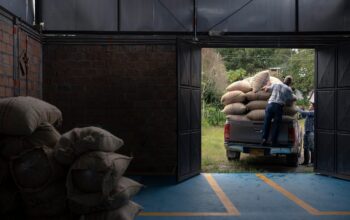
Featured Image Description: Modern warehouse exterior with cargo trucks and logistics activity under clear skies
References:
- https://www.cbre.com/insights/books/us-real-estate-market-outlook-2025/industrial
- https://blog.naiop.org/2025/09/industrial-space-demand-forecast-signs-of-stabilization-after-a-challenging-2025/
- https://cresa.com/Blog/Shifting-Dynamics-in-Industrial-Real-Estate-Key-Trends-for-CRE-Leaders-in-2025
- https://www.realtor.com/research/august-2025-data-2/
- https://www.cbre.com/insights/books/us-real-estate-market-outlook-2025/office-occupier
- https://www.weichertworkforcemobility.com/articles/weicherts-2025-global-housing-survey-talks-trends-and-takeaways/
- https://insuranceaum.com/us-and-global-commercial-real-estate-fourth-quarter-2025-outlook
- https://www.columbiathreadneedle.com/en/insights/2025-global-real-estate-outlook-is-property-at-a-turning-point/