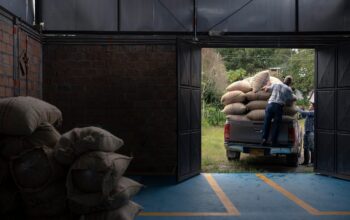
Supply Chain Realities in 2025: A Story of Change and Opportunity
Picture this: the supply chain world is like a huge, constantly moving orchestra. Every part — from delivery trucks and AI models to leadership decisions — must be in perfect harmony to keep the show running smoothly. Recently, experts and industry leaders have opened up about the challenges and exciting innovations shaping this vital sector in 2025.
1. The Layoff Wake-Up Call: UPS and Job Market Shifts
James Miller, a career coach, highlights how major layoffs at UPS signal a tougher job market in logistics. These cuts aren’t isolated incidents; they reflect broader shifts like automation and economic pressure, meaning workers need to adapt fast. Miller advises job seekers to sharpen their interview game, focusing less on just listing duties and more on showcasing adaptability, resilience, and unique value — like pitching a new song that stands out in an orchestra.
2. Technology is Pushing Sustainability Forward
DHL and UPS are prime examples of how green tech is transforming supply chains. DHL cut over a ton of greenhouse gas emissions by switching to electric vehicles, while UPS’s AI-driven route optimizer saves miles and slashes carbon output dramatically.
AI and machine learning aren’t just buzzwords; they’re the conductors of this green revolution — forecasting demand, optimizing routes, and balancing efficiency with sustainability. Even blockchain is stepping in, bringing transparency and trust, crucial for tracking product footprints and ethical standards.
3. Supply Chain Leadership Evolves
Companies are no longer chasing speed alone. Leaders and recruiters acknowledge the rising importance of resilience — building networks that can bounce back from disruptions. It’s like creating a backup plan in music rehearsals: if one instrument fails, the whole symphony won’t falter.
Experts emphasize the value of specialized recruiters who not only find talent but who understand how to blend skills like risk management, tech know-how, and flexibility — critical in today’s uncertain logistics scene.
4. Robotics: The Future Helpers with a Human Touch
John Santagate, a global robotics exec, talks about robotics’ evolving role in the warehouse. While automation grows, he notes the market isn’t quite ready for humanoid robots — they still need a clear “role” or purpose to hit the right note. Instead, current robotic tech focuses on efficiency boosts and adapting to tariffs and trade issues, helping keep the supply chain symphony in rhythm.
5. Looking Ahead: Gartner and AI’s Double-Edged Sword
The Gartner Supply Chain Symposium reveals a mature, calmer leadership — seasoned by pandemic trials and adopting data-driven approaches. However, generative AI (GenAI) isn’t the grand productivity hero many hoped for at a department level. The real buzz? Agentic AI, a futuristic notion where AI might autonomously make decisions — imagine a robotic conductor leading independent performances.
Key Takeaways:
- Layoffs like UPS force workers to rethink career “songs,” highlighting resilience and unique skills.
- Sustainability through EVs and AI is reshaping logistics, turning supply chains greener and smarter.
- Leadership is shifting from just speed to resilience, needing talent who can balance risk and innovation.
- Robotics is evolving, but practical purpose comes before humanoid helpers.
- Advanced AI promises big changes but isn’t a magic fix yet — real gains come from combining tech with smart leadership.
In 2025, supply chains aren’t just moving goods — they’re dynamically adapting orchestras of people, tech, and strategies. The tune might be complex, but its rhythm holds the key to business success in an unpredictable world.
References:
- https://www.vervecopilot.com/interview-questions/are-ups-layoffs-2025-a-sign-you-need-a-new-interview-strategy
- https://research.aimultiple.com/supply-chain-sustainability-technology/
- https://www.scdigest.com/ontarget/25-07-19_gartner_conference_2025.php
- https://farmonaut.com/mining/mining-supply-chain-solutions-top-innovations-driving-2025
- https://www.therobotreport.com/trends-supply-chain-robotics-infios-john-santagate/
- https://scmtalent.com/supply-chain-management
- https://talkinglogistics.com/2025/07/11/above-the-fold-supply-chain-logistics-news-july-11-2025/
- https://www.youtube.com/watch?v=U0asGjq4BRw