Hook: Rising Cyber Threats Amplify Climate Risks
As the world races to combat climate change, a less visible but equally critical battle is unfolding behind the scenes: cybersecurity. In 2025, the interplay of cyber risks with energy and climate technologies has exposed new vulnerabilities — making digital defense a fundamental part of environmental progress.
AI Powers Both Offense and Defense in Cybersecurity
The cybersecurity landscape is rapidly evolving with artificial intelligence (AI) taking center stage — but not just as a defensive ally. Cybercriminals are increasingly harnessing AI to launch sophisticated attacks, from creating synthetic identities to deploying self-evolving malware.
For example, over 8,000 data breaches in the first half of 2025 alone exposed 345 million records globally. Experts warn these AI-powered threats are surging faster than many organizations can respond to.
But AI is also the key to stronger defense systems: companies are investing in AI-driven threat detection and automated responses to catch dangers faster and reduce human error. This dual role of AI is shaping how cybersecurity will adapt alongside climate tech innovations.
Securing the Backbone: Energy Infrastructure Under Cyber Threat
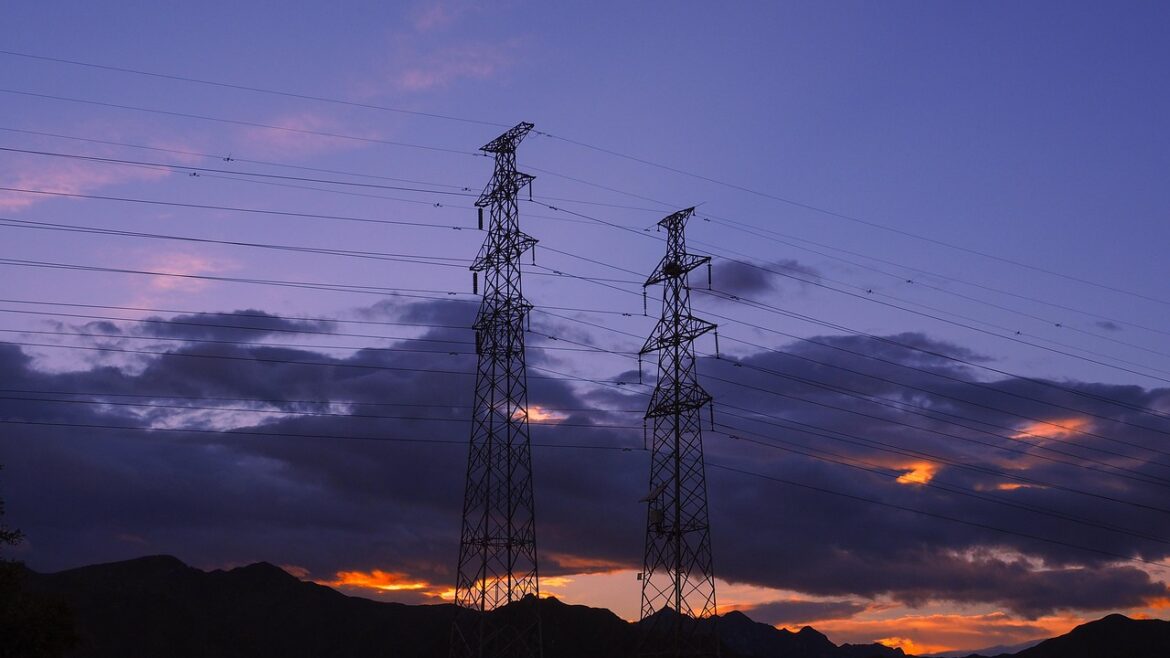
The electric grid and energy infrastructure — crucial for powering climate solutions like clean energy projects — face serious cyber and physical threats. Recent congressional hearings emphasized how utilities, in partnership with government agencies, are implementing layered defenses against everything from storms to nation-state cyberattacks.
Leaders from major energy organizations highlight exercises and strategies designed to prepare for and respond to these challenges, ensuring the continuity of power supplies essential for electric vehicles, renewable energy, and AI-driven climate initiatives.
Industrial Cybersecurity: Bridging the Cultural Gap Amid Geopolitical Tensions
Industrial and operational technology (OT) systems, prevalent in sectors like energy and manufacturing, have become prime targets for cyberattacks linked to geopolitical conflicts. The sophistication and scale of these attacks compel organizations to rethink security beyond traditional IT tactics.
Key shifts include adopting stricter access controls, continuous monitoring, and network isolation to defend critical national infrastructure. Experts emphasize the need for a unified, cloud-secure approach integrating AI to manage these complex risks effectively.
Regulatory Pressure and Financial Industry Responses
With cyber threats impacting climate-related investments and operations, regulatory bodies like the SEC are pushing banks and financial institutions to elevate cybersecurity to boardroom-level priority. The evolving rules now require more transparency and higher standards for managing cyber and climate risks, aligning financial resilience with environmental goals.
The Road Ahead: From Manual Monitoring to Autonomous Defense
Cybersecurity is moving from reactive manual processes to proactive, autonomous AI-driven systems — especially in cloud and operational environments critical for climate tech.
For example, Palo Alto Networks’ new Cortex Cloud 2.0 platform introduces AI agents capable of investigating and resolving cloud threats within minutes, saving time and focusing human effort on strategic defense planning. This trend reflects a broader momentum where technology protects the protectors in the climate fight.
Practical Takeaways for Businesses and Policy Makers
- Invest in AI-powered cybersecurity tools to detect and respond to evolving threats faster.
- Strengthen energy infrastructure defenses through collaboration between utilities and government.
- Adopt unified OT security strategies that address geopolitical risks and integrate AI cloud management.
- Stay ahead of tightening regulations by embedding cybersecurity within environmental compliance frameworks.
- Focus on resilience exercises and training to ensure readiness for both cyber and physical incidents.
Climate progress and cybersecurity are increasingly two sides of the same coin. Protecting our planet’s future means guarding the digital frameworks that power clean technology, energy systems, and global cooperation — a task demanding vigilance, innovation, and a willingness to evolve.
By synthesizing the latest real-world examples and expert insights, this overview highlights how cybersecurity challenges in 2025 critically impact climate action and energy security.
References:
- https://www.experian.com/blogs/news/2025/12/02/experian-forecast-ai-driven-cyber-threats-will-dominate-the-digital-battlefield/
- https://www.globalxetfs.com/articles/the-next-big-theme-november-2025
- https://hillheat.com/events/2025/12/02/securing-america-s-energy-infrastructure-addressing-cyber-and-physical-threats-to-the-grid
- https://industrialcyber.co/threats-attacks/ot-cybersecurity-faces-widening-culture-gap-as-organizations-struggle-to-keep-pace-with-emerging-threats/
- https://www.cent.capital/news/financial-regulation-compliance-law/financial-regulation-compliance-law/secs-2025-rules-are-banks-ready-20251201
- https://defensescoop.com/2025/12/01/dod-guidance-implementing-zero-trust-for-operational-technology-ot/
- https://www.sia-partners.com/en/insights/publications/cmmc-program-guidelines-strengthening-cybersecurity-across-defense-industrial
- https://www.marshmclennan.com/news-events/2025/november/societal-and-technological-threats-rise-on-g20-business-leaders-risk-agendas.html
- https://techfundingnews.com/slush-climate-summit-reveals-what-climate-investors-really-want-in-2025-full-panel-video/