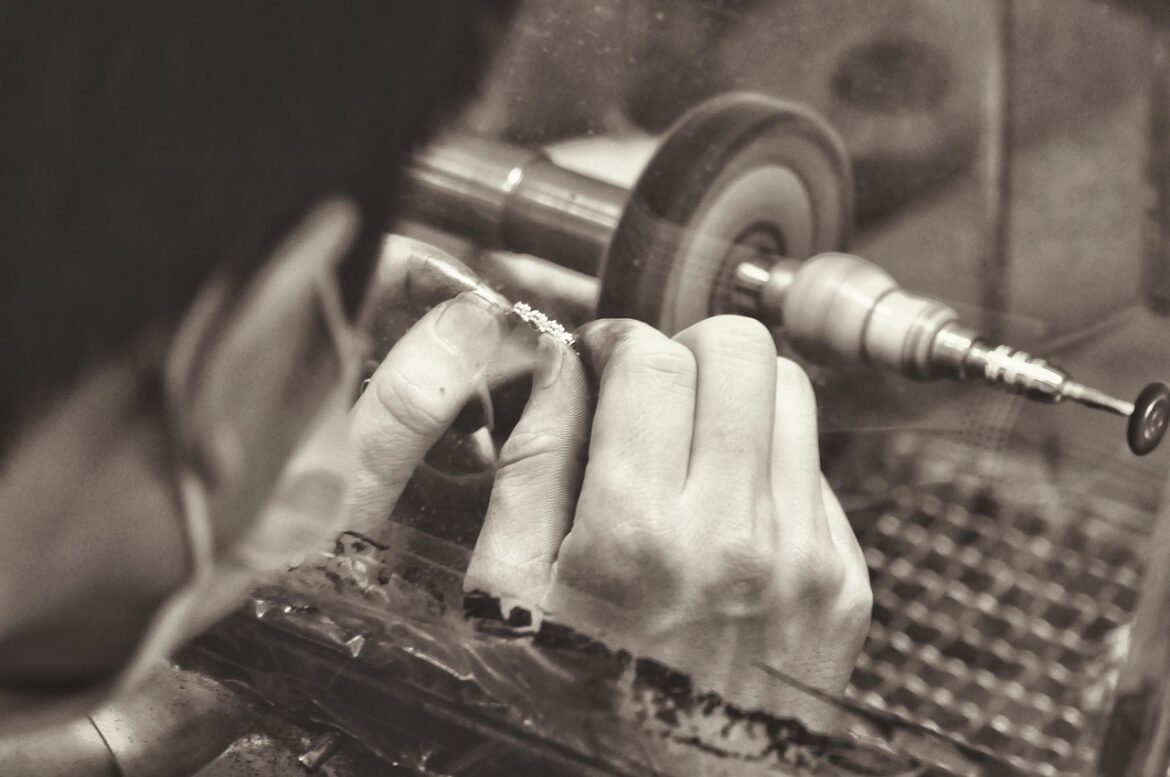
Hook: Facing the future on the factory floor
Imagine the manufacturing plant as a bustling orchestra where humans and machines are musicians learning to play in harmony. In 2025, this once science-fiction scenario is rapidly becoming a workplace reality, transforming how companies manage their most valuable assets — the people.
The rising labor cost challenge: Why automation is no longer optional
Recent studies reveal a paradox: productivity in manufacturing is climbing, but labor costs are rising even faster. This means factories are making more but paying more per unit produced. The solution? A strategic pivot toward automation that lifts the heavy, repetitive tasks off workers’ plates and lets them focus on more skilled, complex work.
Examples include robotic packing stations ensuring speed and consistency, and machine vision systems spotting defects faster than the human eye. These innovations help manufacturers cut costs and keep quality high — essential in markets where price matters most.
Staffing in overdrive: Meeting the speed and flexibility demand
Staffing firms and manufacturers alike face skyrocketing expectations: an Everee study showed over 60% of firms want roles filled within 48 hours, with many pushing for same-day placements. To meet this need, companies are harnessing AI to streamline candidate sourcing and screening. AI isn’t just an experiment anymore; it’s a hiring workhorse now integral to recruitment workflows.
Alongside this, flexible work schedules — including hybrid and gig-style arrangements — have become crucial to attracting talent, especially in on-site heavy industries. Instant or same-day pay options are emerging as basic must-haves rather than perks. The message is clear: speed, flexibility, and tech-driven hiring define today’s competitive edge.
Rethinking workforce design: Skills over jobs
Another seismic shift is moving away from rigid job descriptions toward fluid skills-based models. Manufacturers are investing in robust upskilling programs to keep their workers adaptable and engaged as roles evolve alongside technology.
This approach means turning the workforce into a dynamic ecosystem where employees grow and pivot smoothly, with HR playing a crucial role. The challenge is balancing ongoing productivity with closing emerging skills gaps.
Employee experience: The new bottom line
Manufacturers increasingly understand that happy, engaged workers drive business outcomes. That means HR leaders focus on flexible work policies, personalized well-being programs, and authentic value propositions.
Rigid return-to-office mandates are giving way to hybrid models built around productivity and collaboration rather than presence, helping to avoid burnout and attrition, especially amongst high performers.
The road ahead: Preparing for a blended human-robot workforce
In the near future, manufacturers who effectively blend human creativity with robotic precision will enjoy better margins, safety, and operational agility. This requires smart automation investments combined with strategic training and cultural adaptation.
By embracing these trends — rising automation, AI-driven staffing, hybrid work models, and skills-based talent development — manufacturing HR functions are spearheading a revolution primed to keep factories humming in a cost-conscious, fast-paced world.
Takeaway takeaway: Automation and AI are not replacing workers but transforming how they work, demanding a new HR playbook focused on flexibility, rapid hiring, skill evolution, and employee experience to thrive in 2025.
References:
- https://tutorintelligence.com/blog/2025-labor-trends
- https://staffinghub.com/staffing-and-recruiting-trends/the-key-trends-that-shaped-the-staffing-industry-in-2025/
- https://www.bpm.com/insights/human-resources-industry-outlook-2026/
- https://www.deloitte.com/us/en/Industries/consumer/articles/frontline-workforce-human-capital-trends
- https://cezannehr.com/hr-blog/2025/11/the-hr-trends-for-2026-what-im-seeing-as-an-hr-well-being-manager/
- https://www.dynafile.com/resources/2025-hr-challenges-research-study/
- https://www.employeeconnect.com/2025/12/trends-in-hr-moving-into-2025-hr-software/