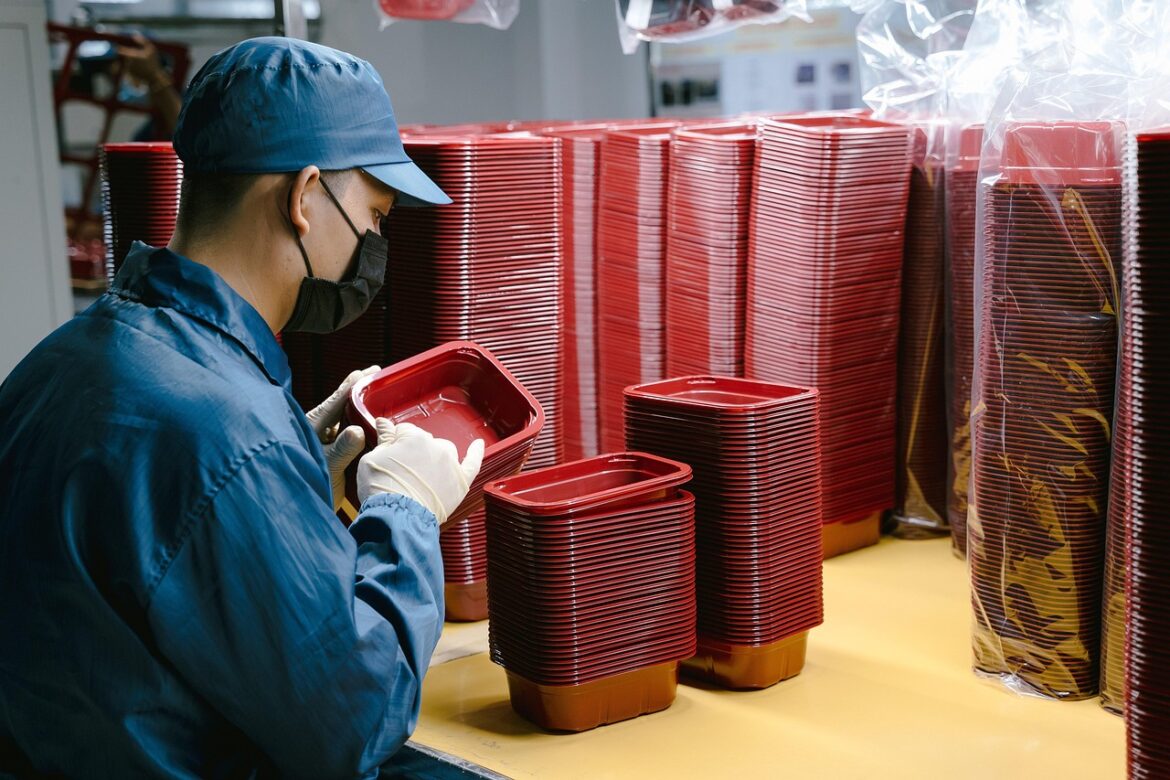
Imagine walking into a bustling factory floor in Michigan, only to find half the machines idle because there’s no one to run them. That’s the stark reality facing manufacturers in 2026, where 409,000 open jobs sit empty despite plenty of unemployed workers nationwide. But it’s not about numbers—it’s about location, location, location.
This isn’t some distant sci-fi scenario; it’s happening now in manufacturing hotspots like Ohio and North Carolina. States luring big projects with tax breaks are booming, but local talent can’t keep up. Companies are getting creative, like scheduling 3 a.m. shifts to snag workers with daytime gigs elsewhere. Picture a line operator flipping burgers by day and assembling parts at dawn—unconventional, but it works.
Trend 1: Battling Geographic Labor Shortages Larger plants in small towns are teaming up with tech schools for internships, locking in fresh grads before competitors sniff them out. It’s like planting your own garden instead of fighting over veggies at the market. Experts say these pipelines will explode in 2026, ensuring long-term survival where demand outstrips supply.
Shifting gears, let’s talk about what keeps folks sticking around. Burnout’s hitting hard amid economic wobbles and gen-mix tensions. Enter human-centric leadership—think bosses who mix straight talk with empathy, creating a safe space to thrive without the drama.
Trend 2: Human-Centric Cultures Take Center Stage In consumer goods firms, leaders note securing talent amid strategy shifts is tough, but internal mobility seals the deal over fancy perks. One automation exec in Europe put it bluntly: ‘Internal paths with real development keep people hooked.’ It’s like building a highway for careers inside the company, dodging the chaos of constant rehiring.
Now, AI’s crashing the HR party, but not to steal jobs—it’s here to lighten the load. Small manufacturers are using it to sift resumes and spot burnout early, freeing humans for the heart stuff like cultural fit.
Trend 3: AI as HR’s Smart Sidekick Anthony Onesto advises setting ‘safety nets’ for AI decisions, easing jitters. In a tight market, this means smarter hiring: auto-scheduling interviews, flagging disengagement. Boeing’s eyeing it to ramp plane production via faster training and safety cultures—real revenue boosters, not buzzwords.
Talent isn’t just hired; it’s grown. With roles like specialized IT scarce, smart shops push internal upskilling and succession plans. It’s strategic recruiting: hire for today, train for tomorrow.
Trend 4: Upskilling and Internal Mobility Boom Skills-based hiring trumps degrees, speeding productivity. Gen X leaders blend old-school grit with digital savvy, fostering empathy over barking orders. HR’s job? Build that muscle through targeted programs.
Finally, the big reinvention: AI slashing admin grunt work. HR headcounts might hold steady as new ‘full-stack’ roles emerge—think pros handling strategy plus tech. Josh Bersin predicts wages rising as routine tasks vanish, like Chipotle hiring faster to serve more burritos.
Trend 5: HR’s AI-Driven Evolution Expect 200:1 spans of control, but with fresh gigs in analytics and agility. For manufacturers, this means nimbly moving talent to hot spots, like safety-critical lines.
These trends aren’t isolated; they’re interconnected. Fix labor gaps with creative shifts and school ties. Build cultures where people feel seen. Let AI handle the boring bits while humans spark innovation. Grow your own stars through mobility. And reinvent HR to lead, not lag.
Real-world wins? Manufacturers partnering locally are filling seats faster. Firms embracing human-centered vibes report stickier teams. AI adopters cut hiring time, boosting output. As 2026 unfolds, these moves separate survivors from strugglers. HR isn’t paperwork—it’s the engine driving factory floors to future-proof success. Ditch the old playbook; this is the new game.
References:
- https://gbq.com/2026-manufacturing-industry-predictions/
- https://www.dhrglobal.com/insights/annual-talent-trends-outlook-4-leadership-priorities-for-2026/
- https://extensishr.com/resource/blogs/hr-trends-2026/
- https://www.fuseworkforce.com/blog/hr-in-2026-strategic-shifts-every-hr-leader-should-know
- https://joshbersin.com/2026/01/the-great-reinvention-of-human-resources-has-begun/
- https://www.ukg.com/learn/resources/megatrends-knowledge-center
- https://www.randstadusa.com/job-seeker/skills/top-skills-human-resources-2026/
- https://www.thehrteam.com/blog/5-key-hr-priorities-for-2026-where-to-focus-and-why-it-matters/
- https://www.cbiz.com/insights/article/navigating-the-2026-workforce-landscape-five-key-trends-for-success