Imagine your favorite luxury handbag or watch not just as a symbol of style, but as a story of innovation, responsibility, and resilience. Behind the glossy storefronts and Instagram-worthy campaigns, luxury brands are quietly rewriting the rules of how their products are made, sourced, and delivered. In 2025, the luxury supply chain is no longer just about speed and exclusivity—it’s about sustainability, transparency, and adaptability.
The Green Revolution in Luxury
Sustainability is no longer a buzzword; it’s a business imperative. Brands like Stella McCartney and Koio are leading the charge by using recycled materials, deadstock textiles, and even mycelium leather. These aren’t just gimmicks—they’re real changes that reflect a shift in consumer values. According to recent surveys, nearly a quarter of Gen Z and millennial shoppers in the US say they’ll only buy from brands that practice sustainability. That’s a wake-up call for the entire industry.
Rolex, for example, recently launched sustainable packaging made from recycled cardboard and plywood. It’s a small change, but it sends a big message: luxury and environmental responsibility can go hand in hand. This isn’t just about feeling good—it’s about staying competitive in a market where customers are increasingly voting with their wallets.
Tech Takes Center Stage
Technology is transforming the way luxury brands track and manage their supply chains. Digital twins—virtual replicas of physical products—are helping companies monitor everything from emissions to waste reduction. Traceability platforms are making it easier for brands to prove where their materials come from and how they’re made. These tools aren’t just for big corporations; even smaller luxury labels are adopting them to build trust with their customers.
AI-driven personalization is also making waves, especially in jewelry and beauty. Customers can now design their own pieces online, with AI suggesting options based on their preferences. This not only makes shopping more fun but also reduces waste by ensuring products are made to order.
Sourcing Shifts: From China to New Hubs
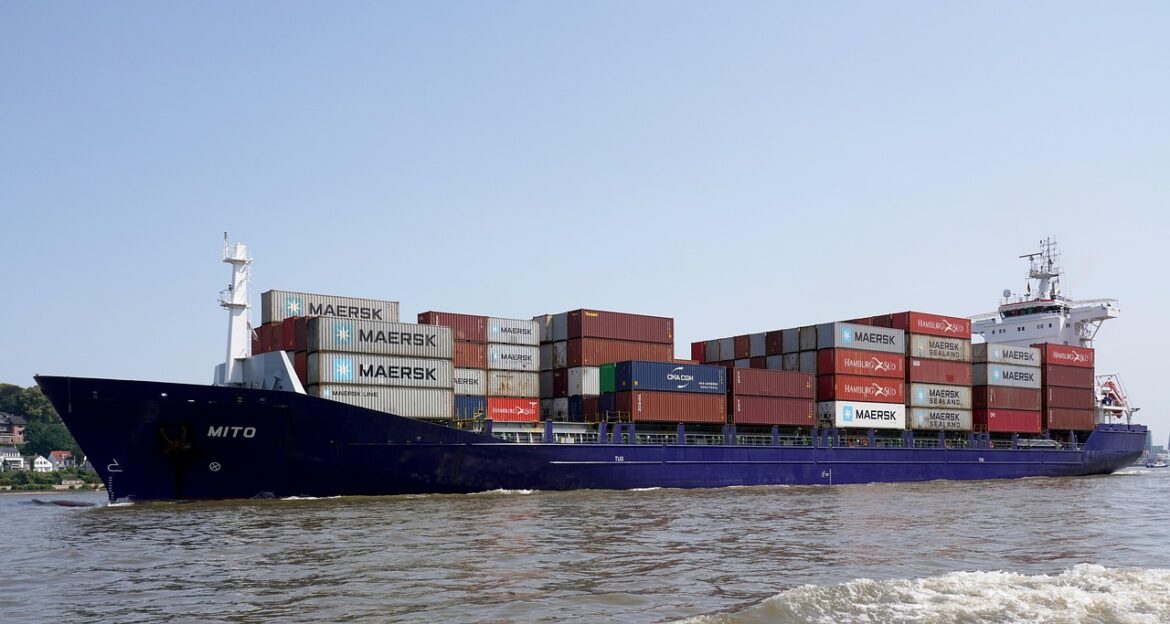
The global trade landscape is changing fast. Rising costs and geopolitical tensions are pushing luxury brands to diversify their sourcing. Vietnam, Bangladesh, and India are becoming key players, while nearshoring—producing closer to home—is gaining steam in places like Mexico and Turkey. These shifts aren’t just about cost savings; they’re about building more resilient supply chains that can weather disruptions.
For example, a luxury fashion brand might now source leather from regenerative farms in the Swiss Alps, or produce shoes in Mexico to serve the North American market. These decisions are driven by a mix of economic, environmental, and strategic factors.
The Human Touch in a Digital World
Despite all the tech, the human element remains crucial. Brands are investing in long-term partnerships with suppliers, aligning on shared sustainability goals, and fostering relationships that go beyond transactions. This approach not only ensures better quality but also builds a sense of community and trust.
What’s Next?
The luxury supply chain in 2025 is a dynamic mix of tradition and innovation. Brands are balancing the need for exclusivity with the demand for transparency, using technology to enhance—not replace—the human touch. As the market continues to evolve, one thing is clear: the future of luxury is not just about what you buy, but how it’s made and where it comes from.
In a world where consumers are more informed and more demanding than ever, luxury brands are rising to the challenge. They’re not just selling products—they’re telling stories of responsibility, creativity, and resilience. And that’s a trend worth watching.
References:
- https://www.globenewswire.com/news-release/2025/11/26/3194955/0/en/US-Luxury-Goods-Market-Forecast-Report-2025-2033-196-Billion-Industry-Driven-by-Rising-Spending-Celebrity-and-Influencer-Endorsements-Digital-Adoption-and-Premiumisation-Trends.html
- https://www.bain.com/about/media-center/press-releases/20252/global-luxury-stays-resilient-despite-economic-headwinds-and-shifting-consumer-trends-that-reshape-marketbain–company-and-altagamma/
- https://luxuryroundtable.com/2025/11/global-luxury-spending-to-stay-flat-at-1-66-trillion-in-2025-as-shopper-base-shrinks/
- https://k3fashionsolutions.com/knowledge-hub/key-insights-from-the-state-of-fashion-2025/
- https://www.prnewswire.com/news-releases/global-luxury-stays-resilient-despite-economic-headwinds-and-shifting-consumer-trends-that-reshape-marketbain–company-and-altagamma-302620818.html
- https://www.netguru.com/blog/disrupting-the-luxury-fashion-market
- https://www.immerss.live/content/jewelry-ecommerce-trends-2025
- https://careeraheadonline.com/luxury-market-defies-economic-slowdown-redefines-consumer-experience-in-2025/