The Home as Your Personal Wellness Sanctuary
Your home is more than just a place to sleep—it’s becoming a deliberate tool for protecting your mental health. In 2026, the real estate industry is experiencing a significant shift toward what experts call wellness design, and builders across the country are responding to homebuyers who are increasingly recognizing the connection between their living spaces and their emotional wellbeing.
Think of your home as a wellness investment, much like a gym membership or therapy sessions. Just as those resources support your mental health, the spaces where you spend most of your time now play an equally important role. This isn’t just marketing hype; it’s a real transformation happening in how homes are being designed and built.
What Wellness Design Actually Looks Like
So what exactly are builders putting into these wellness-focused homes? The trend encompasses several concrete features:
Kitchen Spaces Reimagined: Wellness kitchens are designed to encourage healthier eating habits and create gathering spaces for family connection. Improved lighting, better organization, and ergonomic layouts make cooking feel less like a chore and more like a therapeutic activity.
Bathrooms as Retreats: Spa-like bathrooms have moved from luxury hotel fantasy to real-world home feature. These spaces feature elements like improved lighting, calming color palettes, and sometimes even features that evoke a peaceful escape—transforming your daily routine into a moment of self-care.
Air and Water Quality: Behind-the-scenes improvements in air filtration and water quality directly impact your physical health, which researchers know is deeply connected to mental wellbeing. When you’re breathing cleaner air and drinking filtered water, your body experiences less stress.
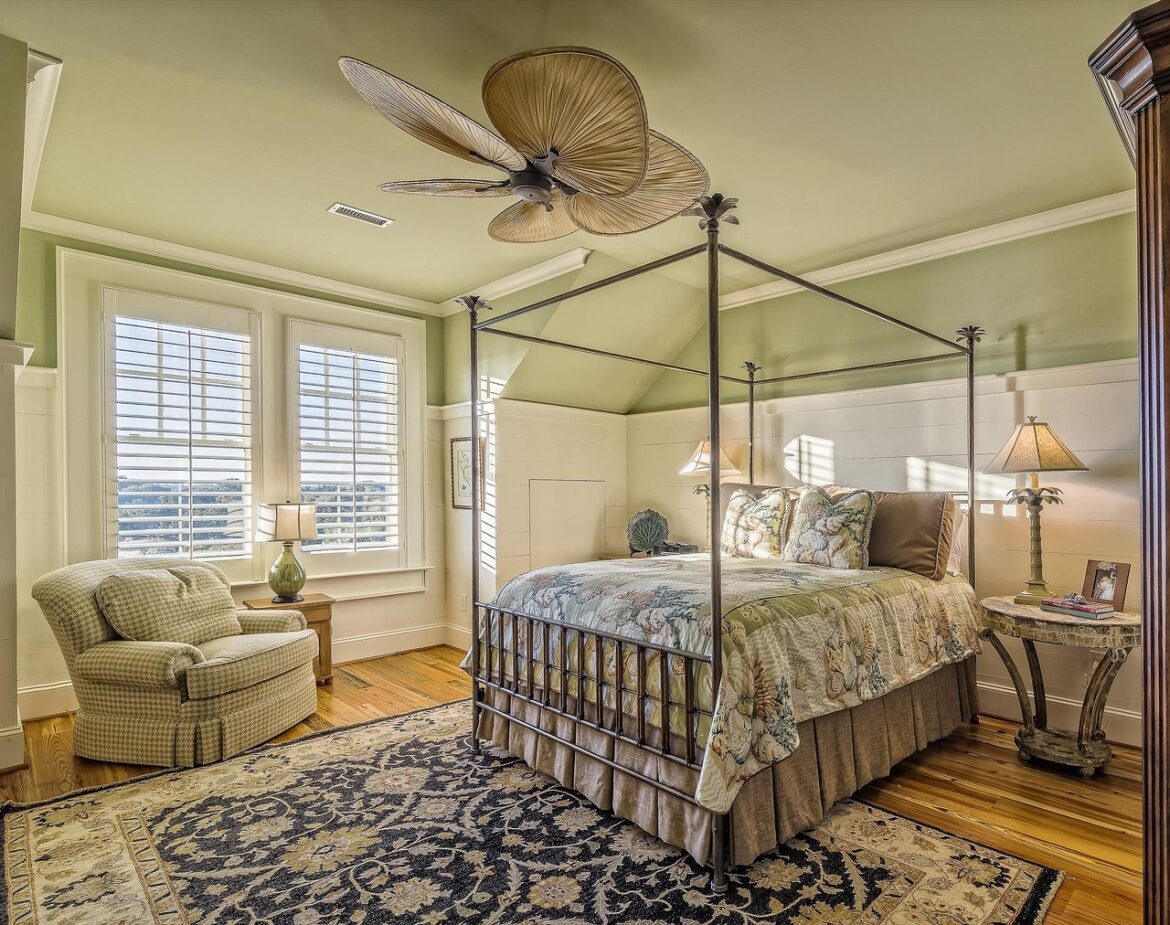
The Power of Color: Calming colors—think soft blues, greens, and neutral tones—are being incorporated throughout these homes. This might seem simple, but color psychology plays a measurable role in how our brains respond to our environment.
Why This Matters Now
The timing of this trend isn’t accidental. People’s mental health concerns have grown significantly post-pandemic, and many homebuyers are now prioritizing their wellbeing when making one of the biggest financial decisions of their lives. They’re asking themselves: “How will this space affect my daily mood and stress levels?”
This shift represents a fundamental change in how we think about real estate value. It’s no longer just about square footage, location, or resale value—it’s about how a home actively contributes to your mental and emotional wellness.
Real Impact for Real People
Imagine spending your mornings in a kitchen flooded with natural light, designed to make healthy meal prep enjoyable rather than stressful. Picture unwinding in a bathroom that feels like a personal spa rather than just a utilitarian room. These aren’t luxury fantasies anymore; they’re becoming standard features in new home developments.
For people working from home, the impact is even more significant. Your home office isn’t just where you work—it’s where you spend the majority of your waking hours. Wellness design recognizes this reality and creates spaces that support focus, creativity, and emotional stability.
The Broader Conversation
This trend also reflects a wider cultural shift: we’re finally acknowledging that environment shapes mental health. For decades, we treated mental wellbeing as something you addressed through therapy or medication alone. Now, we’re recognizing that your physical surroundings matter just as much.
Builders and real estate developers are listening. They understand that today’s homebuyers view their living space as part of their overall health strategy. Whether you’re dealing with anxiety, depression, or just the daily stress of modern life, coming home to a space deliberately designed for calm and wellbeing makes a tangible difference.
What This Means for Homebuyers
If you’re considering buying a home in 2026, paying attention to wellness design features isn’t superficial—it’s practical self-care. Ask developers about their air quality systems, lighting design, and color schemes. Consider how the layout supports your daily routines and mental needs.
Your home is an investment in your future, and increasingly, that investment includes your mental health. The real estate market is finally catching up to what mental health professionals have known for years: where you live shapes how you feel, and that matters more than ever.
References: