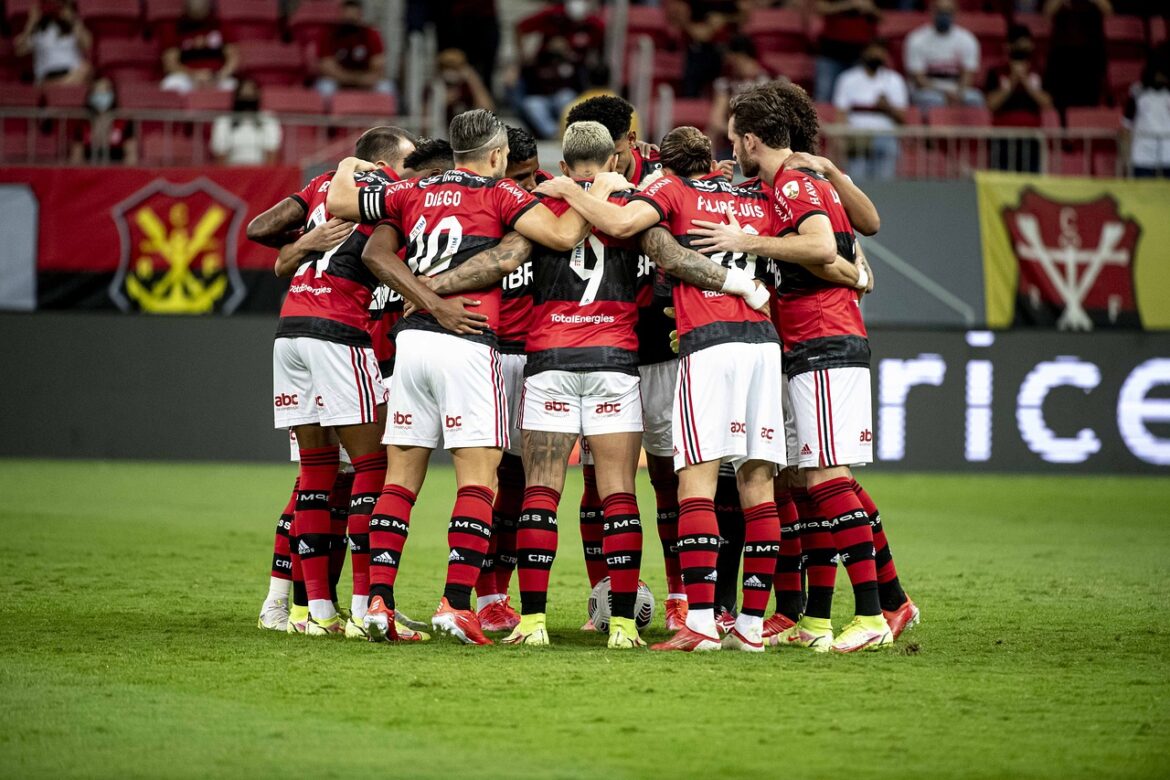
The Year Teams Started Playing Smarter Together
If you’ve been watching esports lately, you’ve probably noticed something shifting. It’s not just about individual skill anymore — it’s about how teams work together, learn together, and build something bigger than themselves. The 2026 esports season is becoming a masterclass in collaboration, and it’s happening across multiple games and regions in ways that matter.
Students Learning While Competing
Take the NACE Spring 2026 Grand Finals. This isn’t just a competition — it’s become a hands-on university. Students from Full Sail University and NACE member programs aren’t just playing; they’re working behind the scenes on event production, operations, and creative teams. Think of it like a sports broadcast meets esports championship meets internship program. As Sari Kitelyn, Director of Esports at Full Sail University, puts it: students are collaborating with professional live event experts to deliver a national championship. That’s team collaboration at its finest — mixing competition with real-world learning opportunities.
Global Circuits Connecting Teams Across Continents
Rainbow Six Siege esports has quietly become one of the best examples of how international team structures actually work. BLAST and Ubisoft’s renewed partnership through 2028-29 has created a unified global circuit that stretches from North America to Europe to South America. The new competitive structure starts with regional challenges, feeds into international competitions, and culminates in global events like the Esports World Cup. What’s fascinating is the recent addition of the CNL as the fifth integrated global region, bringing ten professional teams into the same standings system. Teams are no longer operating in silos — they’re connected to a worldwide competitive ecosystem where collaboration with tournament organizers, broadcasters, and other regions matters.
Why This Matters for Players and Fans
This shift toward team-based ecosystem thinking reflects what’s happening in professional esports overall. Organizations are investing in structures that help teams communicate better, train smarter, and share resources. Whether it’s students learning production skills at college championships or professional teams coordinating across global regions, the message is clear: winning in 2026 means building stronger teams, both on and off the screen.
The future of esports isn’t just about clutch plays anymore — it’s about creating environments where collaboration thrives.
References:
- https://esportsradar.gg/nace-announces-partnership-with-asus-rog-for-spring-2026-grand-finals/
- https://www.invenglobal.com/articles/20207/blast-and-ubisoft-renew-rainbow-six-esports-partnership-announce-2026-27-majors-and-six-invitational-locations
- https://dotesports.com/marvel/news/marvel-rivals-ignite-2026-teams
- https://esportsinsider.com/2026/02/2026-marvel-rivals-ignite-rosters-americas-emea-pacific-china
- https://www.1v1me.com/blog/ea-sports-fc-26-esports-world-cup-2026
- https://escharts.com/news/betting-and-gambling-companies-lead-title-sponsorships-2026-counter-strike-esports
- https://www.ubisoft.com/en-us/news/ignt.58276/welcome-to-the-blast-r6-season-2026