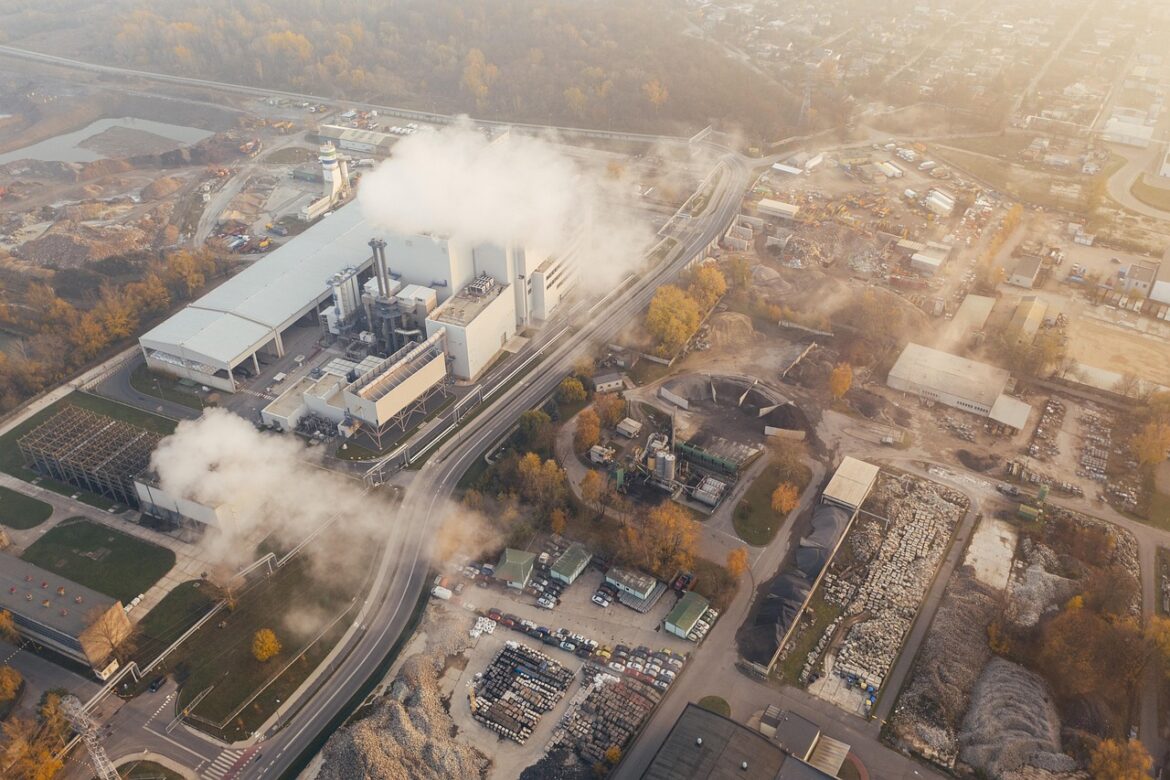
The Invisible Enemy Affecting Millions
Imagine stepping outside for a walk and unknowingly breathing in something that doesn’t just affect your lungs—it affects your mood, your anxiety levels, and your overall mental wellbeing. Sounds far-fetched? It’s actually happening right now, and scientists across Europe are sounding the alarm.
A major new assessment from European environmental experts reveals something we’re only beginning to fully understand: air pollution, environmental noise, and chemical exposures are directly linked to mental health problems like depression, anxiety, and even schizophrenia. This isn’t theoretical speculation—it’s based on real data from thousands of people across Europe.
The Evidence Is Stacking Up
Here’s what the research is showing us:
Depression and Air Quality: When researchers looked at studies on air pollution and depression, the pattern was unmistakable. People exposed to long-term poor air quality—especially from fine particles (PM2.5) and nitrogen dioxide (NO2)—showed higher rates of depression. It wasn’t just a small effect either. During bad air pollution episodes, people with existing depression experienced noticeably worse symptoms.
Noise Takes a Toll: Remember that annoying traffic noise outside your window? It’s doing more than just interrupting your sleep. Scientists found that for every 10-decibel increase in road traffic noise where people live, suicide rates went up by 4%. That’s a concrete, measurable connection between noise pollution and our most serious mental health crisis.
Anxiety and Beyond: While the depression link is strongest, recent large studies also show connections between poor air quality and anxiety disorders, though the effects appear somewhat smaller. Researchers have also identified associations with behavioral disorders and schizophrenia, particularly when exposure happens during critical developmental stages.
Why Is This Happening?
The mechanisms aren’t fully understood yet, but scientists are zeroing in on how pollution damages our brains. When we breathe in polluted air or are exposed to persistent noise and chemicals, our bodies experience stress. This stress triggers inflammation and can affect how our brains function—particularly the areas that regulate mood and emotion.
Think of it like this: pollution is a low-level stressor that never really goes away. If you’re constantly exposed to it, your nervous system stays in a heightened state, making you more vulnerable to depression, anxiety, and other mental health issues.
The Timing Matters
One critical finding caught researchers’ attention: children and young people seem especially vulnerable. Exposure during sensitive developmental phases appears to create bigger risks for long-term mental health problems. This means kids growing up in heavily polluted areas might face mental health challenges that persist into adulthood.
What Can Actually Change
Here’s the encouraging part: even modest improvements in air quality and noise reduction could yield significant mental health benefits. This isn’t something we have to accept as inevitable. The European agency is calling for urgent action—not someday, but now.
This could mean:
- Stricter emissions standards for vehicles and factories
- Better urban planning to reduce noise pollution
- Investments in clean energy and green spaces
- Regulations on harmful chemicals in everyday products
A Wake-Up Call for Everyone
The complexity here is real—mental health is influenced by many factors, including genetics, life circumstances, and social connections. Pollution isn’t the only cause of depression or anxiety. But it’s a significant, modifiable factor that we can actually do something about.
What makes this research particularly important is that it shifts the conversation. We’ve long talked about pollution affecting lung health and physical diseases. Now we have solid scientific evidence that it’s affecting our psychological health too—something that touches nearly everyone.
If you live in an area with high pollution or noise, paying attention to your mental health becomes even more important. And if you’re in a position to advocate for cleaner air and quieter communities, these findings provide powerful motivation.
The bottom line? The air we breathe and the noise we hear aren’t just environmental issues—they’re mental health issues. And addressing them could be one of the most impactful public health decisions we make.
References:
- https://www.eea.europa.eu/en/analysis/publications/pollution-and-mental-health-current-scientific-evidence
- https://www.euronews.com/health/2026/03/05/urgent-action-needed-as-pollution-fuels-mental-health-risks-eu-agency-warns
- https://www.albertafarmexpress.ca/news/neutral-conditions-drive-2026-weather-as-la-nina-subsides/
- https://www.psychiatry.org/psychiatrists/meetings/virtual-convening-leveraging-technology-and-innova
- https://health-infobase.canada.ca