Design Just Got a Personality Upgrade
Remember when minimalism meant stripping everything down to bare walls and cold surfaces? That’s so last year. In 2026, designers are throwing out the rulebook and bringing warmth back into our homes. The interior design world is experiencing a refreshing shift, and it’s all about making spaces feel lived-in, comfortable, and genuinely yours.
The End of Cold Minimalism
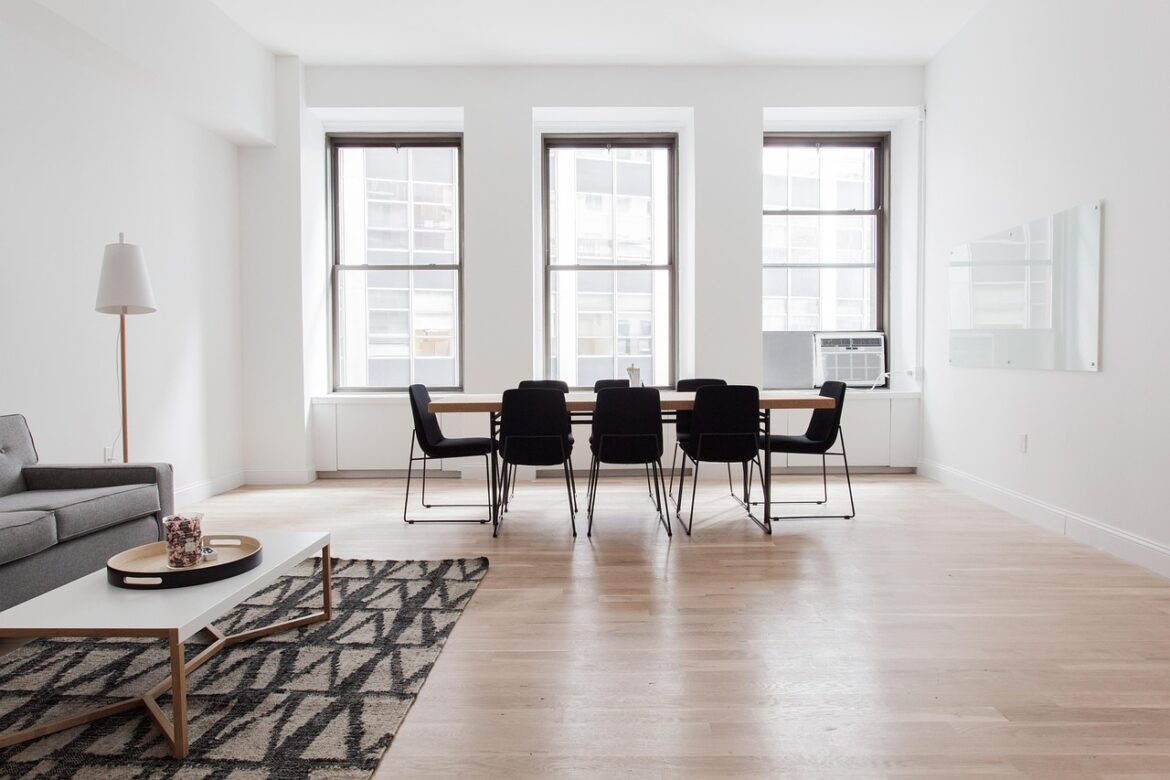
The biggest shake-up this year is the rise of “Warm Minimalism” or “Tactile Minimalism.” Think of it as minimalism’s friendlier cousin. This approach keeps the clean lines and clutter-free philosophy you might love about traditional minimalism, but swaps out the sterile vibe for textures, natural materials, and personality. Instead of empty shelves and blank walls, you’re looking at spaces filled with carefully chosen pieces that actually make you feel at home.
What does this mean in real terms? Imagine your living room with soft wool throws, natural wood furniture, and maybe some handcrafted ceramics on display. The space stays organized and uncluttered, but it feels warm, inviting, and authentically yours. It’s minimalism that doesn’t make you feel like you’re living in a showroom.
Flexibility is the New Essential
2026 is also the year homes got smarter about how we actually live. Design trends are shifting toward flexibility and adaptability. The days of static, one-purpose rooms are fading fast. Instead, spaces are being designed to transform based on what you need them for.
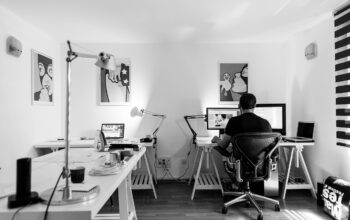
This could mean furniture that serves double duty, rooms that can shift from workspace to relaxation zone, or modular pieces that reconfigure as your life changes. It’s about acknowledging that we work from home, entertain friends, exercise, create art, and rest all under the same roof—sometimes in the same room.
Sustainability Meets Style
Alongside these aesthetic shifts, sustainability continues to be woven into design conversations. The trend isn’t just about looking good anymore; it’s about feeling good about your choices. Designers are increasingly focusing on materials that are eco-friendly, durable, and beautiful. This means investing in quality pieces that last, rather than constantly replacing cheap items.
Technology Playing Nice with Home
One of the most interesting developments is how technology is being integrated into design without dominating it. Smart homes are becoming less about visible gadgets and wires, and more about invisible convenience. The technology is there to serve your life, not the other way around. It’s a harmony between innovation and livability.
What This Means for You
If you’re thinking about refreshing your space, 2026’s design trends suggest embracing what makes you comfortable. Mix minimalist principles with textures and warmth. Choose flexibility over fixed arrangements. Invest in pieces that align with your values. Your home should reflect who you are and support how you actually live, not force you into a predetermined aesthetic.
The overall message from design professionals is clear: 2026 is about spaces that feel like home, not magazine covers. It’s personal, practical, and surprisingly more achievable than you might think.
References: