Hook: Manufacturing teams are no longer just crowded shop floors and clipboard handoffs — in 2025 collaboration looks like a blended rhythm of in-person problem solving and digital teammates that help get work done faster and smarter.
What’s changed (quick snapshot):
- Hybrid work and flexible schedules are here to stay, reshaping how frontline and office teams coordinate.
- AI is treated as a junior teammate, speeding drafts, checks and routine decisions.
- Continuous feedback and live pulse checks are replacing annual reviews to keep teams aligned.
- Collaboration features in everyday tools (real-time co-editing, embedded AI) are now expected, not optional.
Expert voice: industry consultants and workplace researchers say these shifts are less about gadgets and more about reshaping everyday team habits — who speaks up, how decisions get routed, and where trust is built.
Real-world stories and practical takeaways
- Hybrid on the line: balancing floor presence with remote planning
Story: Several large manufacturers moved to hybrid schedules where design, procurement and leadership time is split between site and remote work. The result: quicker design cycles when planners have focused remote time, but a new need for intentional in-person problem solving for the shop floor.
Takeaways:
- Schedule “unplugged” shop-floor days for cross-functional problem solving so hands-on teams aren’t left out.
- Use short daily or shift handovers (10–15 minutes) to keep distributed crews synced.
- AI as a teammate, not a replacement
Story: Content and process teams in manufacturing treat AI tools as a junior collaborator for drafting SOPs, suggesting root-cause leads, or summarizing meeting notes — speeding routine work so humans focus on judgement calls.
Takeaways:
- Define clear guardrails for AI outputs (who reviews what and when).
- Train people on “how to prompt” AI; it’s a new workplace skill, like reading a schematic.
- Continuous feedback replaces annual checkboxes
Story: Companies adopting live pulse checks and frequent 1:1s report better engagement between production workers and managers because small issues are resolved before they escalate into outages or safety risks.
Takeaways:
- Make feedback timely and actionable — a 5-minute check-in beats a quarterly surprise.
- Encourage peer recognition: frontline teams trust colleagues’ observations more than distant evaluations.
- Collaboration features are table stakes in daily tools
Story: Teams now expect real-time co-editing in documents, built-in commenting, and embedded AI assistance inside tools they already use — swapping between apps slows manufacturing decisions and increases rework.
Takeaways:
- Prioritize integrated tools that let engineers, planners and operators work in the same document or board.
- Keep security and offline capabilities in mind for plants with limited connectivity.
Practical playbook for leaders (simple, immediate moves)
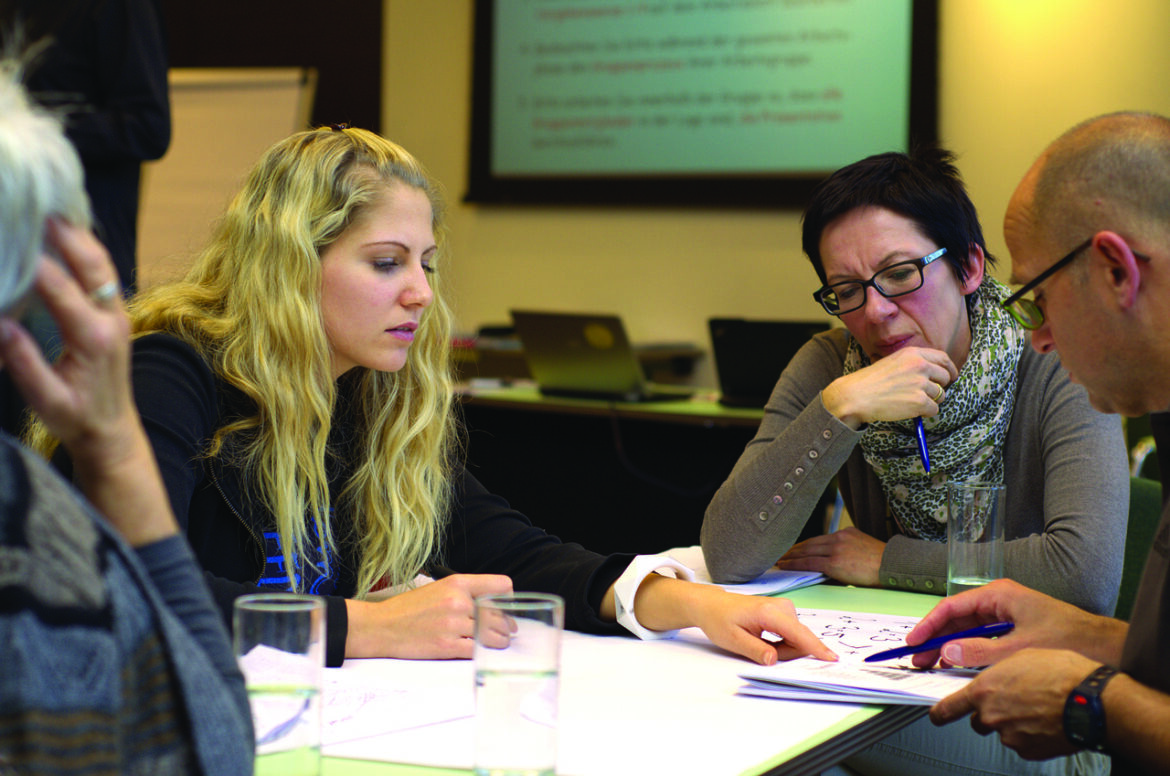
- Host a monthly cross-shift workshop: bring planners, maintenance and operators together to solve one recurring issue.
- Roll out a low-stakes AI pilot: pick a clear task (e.g., meeting summaries) and measure time saved and error rates.
- Replace one annual review with monthly pulse-checks in a single department and compare retention/engagement after 3 months.
- Standardize one shared collaboration space (a single document or board) for each product line to reduce version chaos.
Metaphor to remember it by: Think of team collaboration like a production line: small, continuous handoffs (not rare, dramatic handovers) create steady throughput — and the conveyor only flows when every station sees the same information at the same time.
Common pitfalls and how to avoid them
- Pitfall: Dumping lots of tools on teams. Fix: Consolidate and train, don’t scale chaos.
- Pitfall: Treating AI as infallible. Fix: Keep human checkpoints where safety or quality matters.
- Pitfall: Remote workers becoming “out of sight, out of mind.” Fix: Ritualize inclusion — always rotate meeting times and use shared visual boards.
Final thought (neutral, practical): Manufacturers that succeed won’t be the ones with the fanciest tech, but those that align simple practices — scheduled in-person problem solving, regular feedback, trustworthy AI rules, and a single source of truth — so teams can collaborate naturally across shifts, sites and tools.
References:
- https://www.compunnel.com/blogs/the-future-of-work-2024-trends-and-2025-work-forecast/
- https://merrittbusiness.solutions/business-management-resources/10-trends-to-revolutionize-the-workplace-in-2025/
- https://ckeditor.com/blog/state-of-collaborative-editing-2025-insights/
- https://rsmus.com/insights/services/business-strategy-operations/5-strategic-shifts-to-future-proof-your-2025-business-plan.html
- https://worldatwork.org/publications/workspan-daily/the-year-in-total-rewards-what-were-the-biggest-trends-of-2025
- https://northlandstaff.com/2026-job-trends-how-work-is-evolving-for-employers-and-candidates/
- https://businessinfopro.com/blogs/sales-blogs/hr-trends-2026-what-will-shape-the-next-era-of-work/