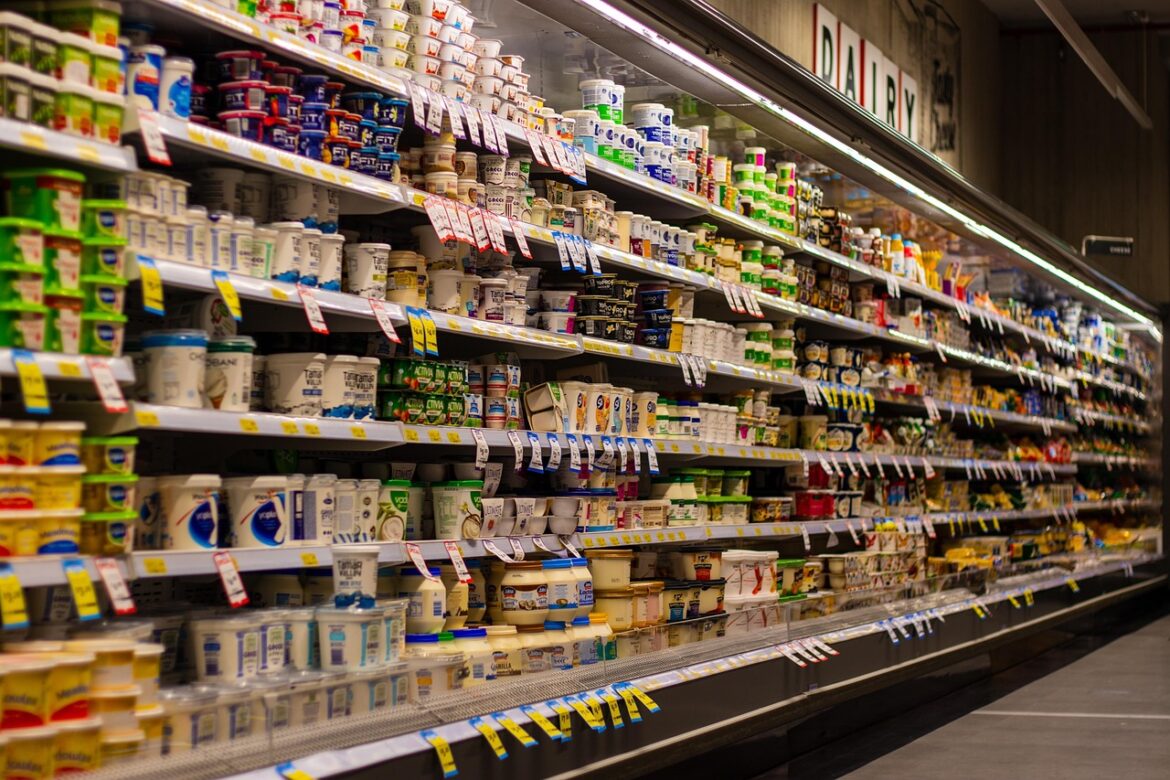
Imagine walking into your local grocery store and finding not just food, but a whole section designed to help you feel calmer, happier, and more balanced. That’s not a fantasy anymore. Across the country, grocery stores and food brands are stepping up to meet a growing demand: mental wellness. People aren’t just shopping for dinner—they’re shopping for ways to feel better, inside and out.
The Rise of Mood-Boosting Foods
It’s no secret that what we eat affects how we feel. But now, grocery shelves are filling up with foods that promise more than just nutrition—they’re promising better moods. Think avocados, walnuts, and whole grains. These foods are packed with nutrients like healthy fats, fiber, and B vitamins, all of which are linked to improved brain function and mood regulation. For example, avocados are loaded with healthy fats and folate, which help keep your brain sharp and your mood stable. Walnuts, with their antioxidants, are like little brain boosters, helping to protect your mental health over time.
And it’s not just about whole foods. Ready-to-drink teas, smoothies, and even baked goods are now being made with ingredients that support mental wellness. You’ll find cookies and gummies infused with mood-boosting nutrients like omega-3s and B vitamins. These products are especially popular with younger shoppers who want convenience without sacrificing their well-being. As one expert put it, people are looking for ways to “eat their way to a better mood,” and food brands are listening.
The Gut-Brain Connection
Another big trend is the focus on gut health. Scientists have discovered that your gut and your brain are closely connected, and what you eat can directly affect your mental state. Foods rich in fiber, like whole grains and leafy greens, help keep your gut healthy, which in turn can help stabilize your mood. Probiotic foods, such as yogurt and fermented vegetables, are also gaining popularity because they support a healthy gut microbiome, which is linked to lower levels of anxiety and depression.
Mindful Shopping Experiences
It’s not just about what’s on the shelves—it’s also about how you shop. Many grocery stores and malls are now creating “calm spaces” where shoppers can take a break, relax, and reset. These areas might have comfortable seating, soothing music, or even guided meditation apps. The idea is simple: shopping can be stressful, so why not make it a little more relaxing? These spaces are especially popular with busy parents, students, and anyone who needs a moment to breathe in the middle of a hectic day.
Branded Wellness Content
Some grocery brands are going even further by offering free mental health resources. For example, athletic brands like Nike and Adidas have partnered with mindfulness apps to offer guided meditations and stress-relief tools. These resources are often available through the brand’s app or website, making it easy for shoppers to access support whenever they need it. The message is clear: these companies aren’t just selling products—they’re trying to be part of your wellness journey.
The Bigger Picture
Of course, there are questions about whether all this wellness-focused marketing is genuine or just a sales tactic. Some critics worry that mental health is being “commodified,” turned into just another product to sell. But for many shoppers, these trends are making a real difference. Whether it’s grabbing a mood-boosting snack, taking a moment to relax in a calm space, or using a free meditation app, people are finding new ways to care for their mental health in everyday life.
In the end, the grocery store is becoming more than just a place to buy food. It’s becoming a place where people can find support, comfort, and a little extra care for their minds.
References:
- https://netchoice.org/beyond-the-checkout-how-mental-well-being-is-reshaping-how-we-shop/
- https://www.nutritioninsight.com/news/mood-supplements-gnosis-by-lesaffre-adm-trinutra.html
- https://in-sight.symrise.com/article/new-and-emerging-flavors-in-food-and-beverages-for-2025
- https://www.herworld.com/life/foodanddrink/best-foods-mental-health-diet
- https://healthstartsinthekitchen.com/nutrition-and-mental-health-supporting-recovery-from-the-inside-out/
- https://zoe.com/learn/good-mood-food
- https://beautymatter.com/articles/2026-predictions-beauty-personal-care-food-home-and-more