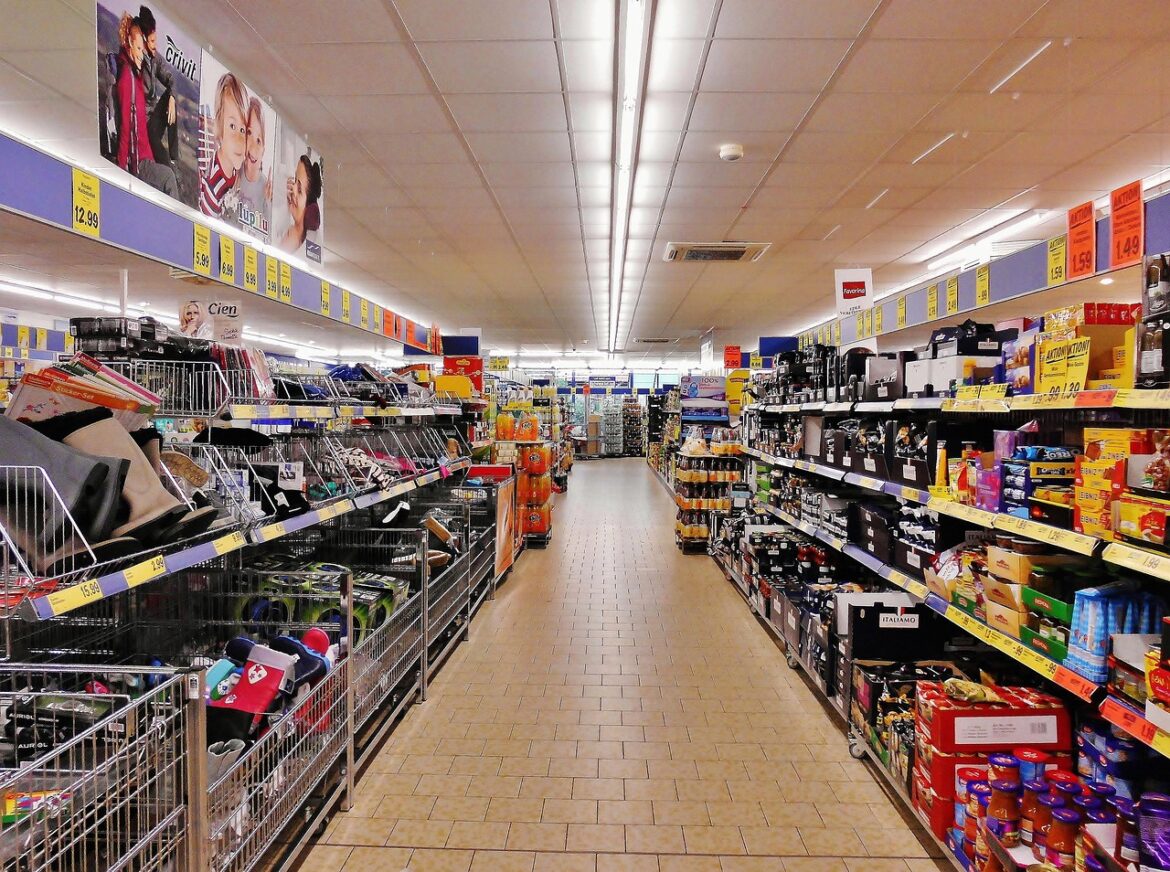
Sustainability is no longer a side project in grocery – it is the business. Walk into a modern supermarket and behind the scenes you will find data scientists, engineers and farmers all quietly reshaping how your food gets to the shelf, and what happens when it does not sell.
1. Food waste becomes a data problem, not just a trash problem
Grocers have always thrown food away. The new twist is that waste is now treated like a goldmine of data.
- Large chains are partnering with tech firms to track exactly what gets tossed, down to the SKU, time of day and store department.
- That data feeds AI tools that improve ordering and forecasting, so stores buy closer to what they can really sell – a direct cut to both emissions and costs.
- Some retailers are going further and turning unsold produce into animal feed or ingredients, closing the loop instead of sending it to landfill.
Think of it as installing a smart meter on the dumpster. Once you see what is leaking out, fixing it suddenly becomes much easier – and very profitable.
2. Packaging is being redesigned from the pallet up
Sustainability talk used to focus on reusable shopping bags. Today, the action is in the supply-chain packaging you never see.
- Retailers and their suppliers are shrinking boxes, right-sizing cases and improving pallet layouts to cut empty space in trucks.
- Less “air shipping” means fewer trucks on the road, lower fuel use and fewer damaged products – a win for margins and carbon footprints at the same time.
- On the shelf, brands are moving to recyclable and renewable materials as new rules and retailer scorecards penalize wasteful packaging and unclear labels.
For operations teams, this is as much an efficiency play as a green initiative. Every centimeter saved in the trailer shows up in the P&L.
3. Regulation is forcing clear recycling stories
Another pressure point is regulation: governments are rolling out extended producer responsibility rules and tougher recycling-label standards.
- Brands and retailers now pay more if their packaging is hard to recycle, so they are redesigning formats and inks to qualify for lower fees.
- Laws that crack down on misleading recycling symbols are pushing companies to clean up labels and prove their claims with real data.
- Producer responsibility organizations are starting to reinvest fees into better collection systems, meaning retailers can highlight tangible community impacts over time.
In plain language: if companies put confusing or unrecyclable packaging on shelves, they will pay for it. That is changing boardroom conversations quickly.
4. Local and transparent sourcing go from niche to normal
Finally, shoppers themselves are steering the cart.
- Online grocers and wholesalers report rising demand for locally sourced and traceable products, from produce to prepared foods.
- Retailers are responding with dedicated local ranges, store signage that highlights nearby farms and apps that let buyers filter by distance or farming practice.
- For producers, this can shorten supply chains, reduce transport emissions and create marketing stories that resonate with younger, values-driven consumers.
One category manager described it as moving from a “price and promo” mindset to a “proof and purpose” mindset: people still want value, but they also want to know the story behind what they are buying.
What this means for companies and workers
For leaders, corporate sustainability in grocery is increasingly about integrating three things into everyday decisions:
- Profit protection (waste less, move more efficiently)
- Risk management (stay ahead of rules and fees)
- Brand trust (prove you are not just greenwashing)
For frontline employees, it shows up as new tools: waste-tracking apps, clearer packaging guidelines, local-sourcing checklists. The companies winning this race are the ones treating sustainability not as a glossy report, but as a set of practical habits repeated in every store, every day.
References:
- https://refed.org/articles/what-s-ahead-our-2026-food-waste-forecast/
- https://www.smurfitwestrock.com/blog/top-retail-trends-of-2026-what-to-expect
- https://nrf.com/blog/10-trends-and-predictions-for-retail-in-2026
- https://www.foodnavigator-usa.com/Article/2026/01/07/4-trends-freshdirect-says-are-reshaping-food-and-beverage-in-2026/
- https://www.packagingdive.com/news/packaging-industry-trends-2026-epr-labeling-containerboard-automation/809071/
- https://www.whatchefswant.com/2026/01/09/2026-food-and-beverage-trends/
- https://www.deloitte.com/us/en/insights/industry/retail-distribution/retail-distribution-industry-outlook.html
- https://www.foodlogistics.com/sustainability/waste-reduction/news/22958060/refed-top-5-food-waste-trends-to-expect-in-2026
- https://www.fmi.org/docs/default-source/newsroom-documents/research-releases-2026.pdf?sfvrsn=db1445f5_3