Imagine walking into your office and seeing everyone dressed in a mix of tailored blazers and comfy sneakers. That’s not a scene from a fashion magazine—it’s the new reality in workplaces around the world. In 2025, fashion trends are no longer just about looking good; they’re shaping how companies hire, retain, and support their employees.
Power Casual: Dressing for Success, Comfortably
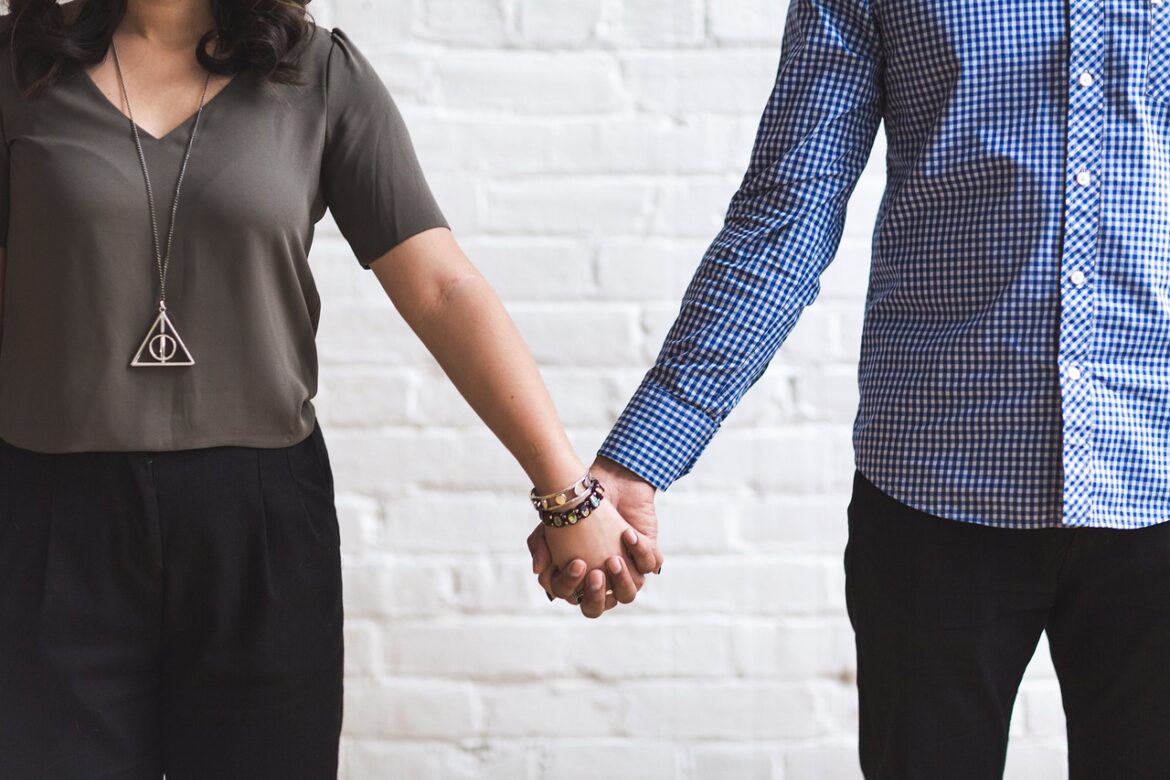
One of the biggest trends is ‘power casual’—a style that blends professionalism with comfort. Employees from interns to senior managers are ditching stiff suits for relaxed yet polished outfits. Think barrel-leg pants paired with crisp blouses or statement accessories that add personality without breaking the dress code. This shift isn’t just about style; it’s about creating a work environment where people feel confident and at ease, which can boost morale and productivity.
Tech Meets Talent: AI in Hiring and Onboarding
Behind the scenes, AI is making waves in HR departments. Companies are using artificial intelligence to streamline hiring, from screening resumes to predicting which candidates will thrive in their culture. For example, some brands now use AI-powered chatbots to answer job seekers’ questions and schedule interviews, making the process faster and less stressful for everyone involved. According to industry experts, 75% of fashion executives are prioritizing AI for everything from demand forecasting to employee engagement.
Accessories That Speak Volumes
Accessories are also getting a spotlight. Statement belts, nostalgic bags, and patterned tights aren’t just for weekends—they’re showing up in offices too. These small touches let employees express their individuality, which HR teams say helps build a more inclusive and creative workplace.
Real Impact, Real Stories
Take Everlane, for instance. Their Everywhere Pants have become a favorite among remote and hybrid workers because they’re comfortable enough for home but polished enough for client meetings. Employees report feeling more confident and productive when they can dress for both comfort and professionalism.
In short, fashion isn’t just about clothes anymore. It’s about creating a workplace culture where people feel valued, seen, and ready to do their best work.
References:
- https://www.businessinsider.com/guides/style/best-work-pants-women
- https://www.cosmopolitan.com/uk/fashion/style/a69422983/power-casual-fashion-trend/
- https://www.kraywoods.com/blogs/our-stories/top-accessory-trends-spring
- https://www.mckinsey.com/featured-insights/mckinsey-live/webinars/the-state-of-fashion-trends-that-matter-in-2025
- https://www.loft.com/loft-at-work/