Hook: Imagine an engineer’s toolbox solving problems in hospitals, ambulances and on your wrist — that’s exactly what’s happening in health right now.
Lead snapshot
- What you’ll read: short, real-world stories of five trending health products born of engineering — what they do, who’s using them, and why non-engineers should care.
Why this matters Engineers are shrinking response times, cutting risks in surgery, and turning passive devices into active coaches — all with practical tech that clinicians and companies are already deploying.
1) AI radiology algorithms: triage that saves time and limbs
Story: A stroke center adopted an AI triage tool that flags suspected large-vessel strokes the moment a CT is uploaded, routing alerts to neurologists and shortening treatment decisions — staff reported consistent time savings in urgent cases.
- What it is: Software trained to detect critical findings (stroke, pneumothorax, fractures) in medical images and surface them to clinicians quickly.
- Why engineers matter: They optimize models for speed, integrate with hospital systems, and validate safety for real-world use.
- Real benefit: Faster detection means faster treatment — in stroke care, minutes translate to preserved brain function.
Practical note: Hospitals using cleared AI tools pair them with workflow changes (nurse protocols, on-call routing) — the software amplifies those processes rather than replacing them.
2) Advanced wearables with medical-grade sensors
Story: A small manufacturing company outfitted factory-floor workers with wrist devices that detect abnormal heart rhythms and alert onsite medics; one worker’s arrhythmia was caught early and led to timely intervention.
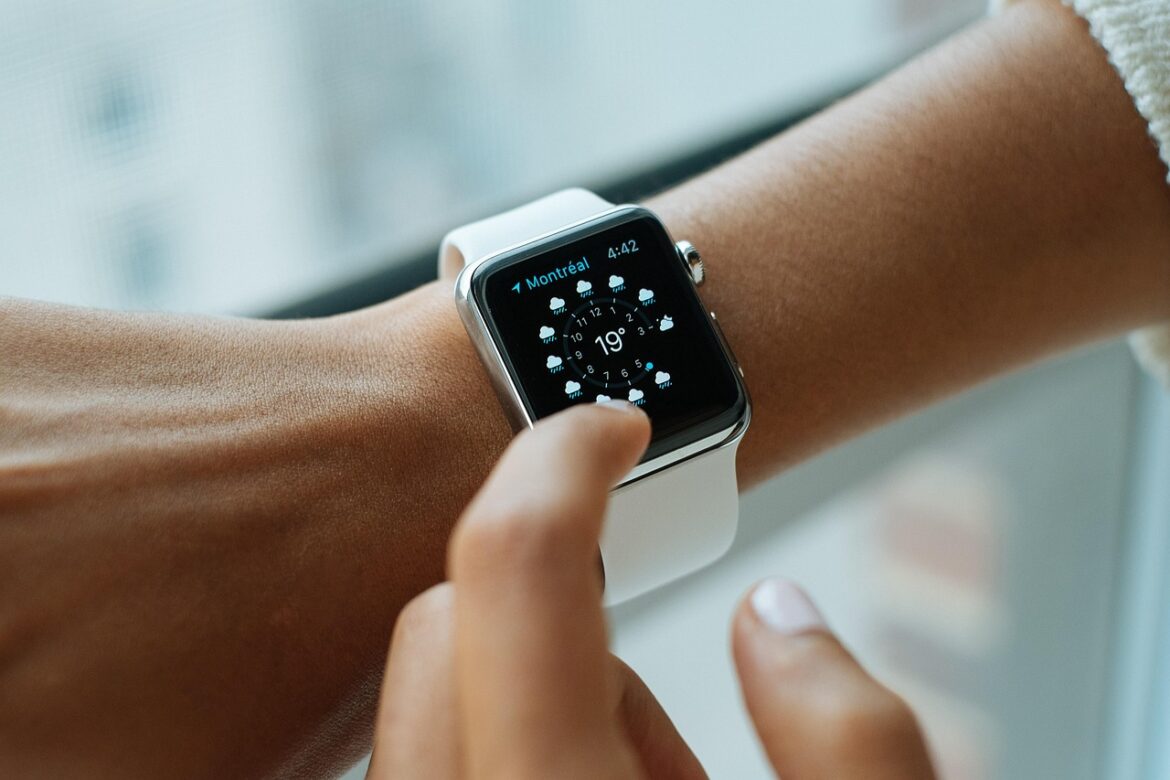
- What it is: Smartwatches, rings, and patches with ECG, SpO2, and motion sensors that move beyond fitness into clinically useful monitoring.
- Engineering edge: Improved sensors, lower power draw, and edge AI let these devices analyze signals locally and reduce false alarms.
- Real benefit: Continuous data helps manage chronic conditions, supports remote monitoring programs, and can prompt earlier clinic visits.
Practical tip: For employers or clinics, combine devices with simple escalation rules (who to call, when) to turn data into action without overwhelming staff.
3) Powered ambulance cots and automated fastening systems
Story: An EMS service adopted a powered ambulance cot that reduces manual lifting; EMTs reported fewer back injuries and faster on-scene-to-vehicle handoffs.
- What it is: Electrified cots and intelligent locking systems that make patient loading safer and quicker.
- Engineering features: Motorized lift, crash-tested locks, and ergonomic controls designed with frontline feedback.
- Real benefit: Faster transfer and improved crew safety — important in high-volume urban EMS systems.
Practical note: Transition requires training and changes to vehicle layouts, but many services find ROI in reduced injuries and faster turnarounds.
4) Minimally invasive energy-based devices for targeted tissue treatment
Story: A surgical team used a new pulsed-field ablation tool to treat cardiac tissue with quicker procedures and less collateral damage, cutting patient recovery time.
- What it is: Devices using focused energy (electric pulses, targeted thermal or non-thermal methods) to treat diseased tissue precisely.
- Engineering role: Material selection, energy delivery control, and real-time sensors prevent damage to nearby structures.
- Real benefit: Shorter procedures, tissue-sparing therapies, and options for patients who can’t tolerate traditional surgery.
Practical tip: These devices usually need specialized training and case selection — engineering makes them possible, clinicians make them safe and effective.
5) Home remote monitoring kits for chronic disease management
Story: A health system deployed home blood-pressure kits and connected them to a nurse-led monitoring program; patients with uncontrolled hypertension saw measurable drops in readings over months.
- What it is: Kits combining validated sensors (BP cuffs, glucometers), gateways (phone or hub), and cloud dashboards for clinicians.
- Engineering focus: Reliability, security of data transmission, and device calibration to clinical standards.
- Real benefit: Shifts routine monitoring out of clinics, identifies trends earlier, and supports personalized treatment plans.
Practical advice: Programs that pair devices with human follow-up (nurses, pharmacists) get better adherence and outcomes than devices alone.
Expert perspective (short) — Engineers and clinicians working together make the difference. Engineers build reliable tools; clinicians design the workflows that turn signals into better outcomes.
Quick comparisons — What to expect when adopting any of these products:
- Implementation time: Weeks to months (device setup, training, IT integration).
- Cost factors: Hardware, software subscriptions, and staff time for new workflows.
- Biggest barrier: Change management — staff acceptance and clear escalation plans.
Practical checklist for leaders considering these products:
- Define the clinical problem first (e.g., reduce EMS back injuries, speed stroke triage).
- Run a small pilot with clear metrics (time saved, adverse events reduced).
- Train staff and document new workflows before full rollout.
- Monitor and iterate: collect user feedback, log false alarms, and refine thresholds.
Parting metaphor: Think of these engineering products as upgraded tools in a carpenter’s belt — the right tool speeds the job and protects the craftsman, but only if the crew knows how to use it.
Want help? If you have a specific setting (clinic, EMS, company) I can suggest a starter pilot plan and the metrics to track.
References:
- https://appinventiv.com/blog/healthcare-app-trends/
- https://www.techinsights.com/blog/five-key-trends-wearables-2025
- https://intuitionlabs.ai/articles/ai-radiology-trends-2025
- https://www.popsci.com/gear/best-of-whats-new-2025/
- https://www.medtechdive.com/topic/medical-devices/
- https://www.medicaldesignandoutsourcing.com
- https://www.mpo-mag.com/breaking-news/2025-medical-device-companies-ma-roundup-updated-1-7/
- https://www.mddionline.com
- https://www.deloitte.com/us/en/insights/industry/health-care/life-sciences-and-health-care-industry-outlooks.html
- https://www.hometownlife.com/press-release/story/49818/precision-engineering-promed-optimizes-the-lsr-injection-molding-process-for-medical-devices/