Hook: Ever wondered how artists actually get more done when deadlines stack and inspiration wanes? Here are five real-world stories from 2025 showing how creatives and cultural organizations are turning productivity from theory into practice.
What you’ll find: Short, modular briefs—each with a human example, an expert note, a metaphor to make it stick, and simple takeaways you can try this week.
• AI-Powered Design: Designers using AI as a studio assistant
Example — A mid-size branding studio uses generative AI to produce 10 rough concept directions in the morning, then spends the afternoon curating and refining the two best ideas into client-ready comps. This squeezes the ideation phase from days into hours and leaves humans to add craft and narrative.
Expert note — Practitioners now treat AI like an apprentice: fast at iteration, weak on nuance—so senior designers still control final judgment.
Metaphor — Think of AI as a power drill: it speeds the boring stuff, but you still need a carpenter to shape the furniture.
Quick takeaways
- Use AI to generate many low-fidelity sketches, then pick and polish the strongest ones.
- Keep a short checklist for quality control (brand voice, accessibility, original elements).
• Hybrid Practice: Going outdoors and offline to recharge creativity
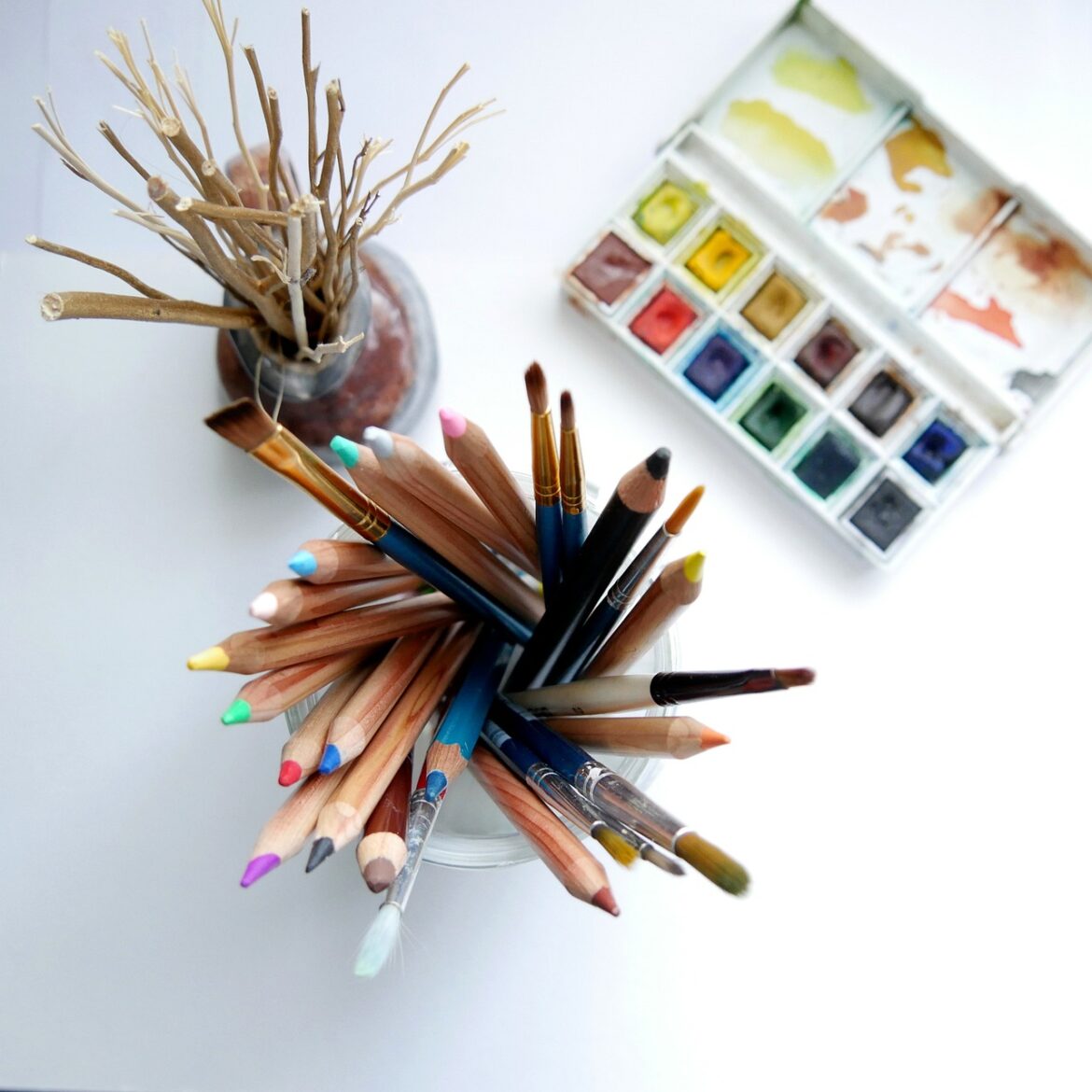
Example — Several Gen Z-led collectives deliberately alternate digital studio days with plein-air painting sessions; members say the change of scene improves focus and leads to more decisive, energetic work.
Expert note — Artists report that switching modalities reduces creative fatigue and yields work with more ‘presence’—useful for both galleries and social sharing.
Metaphor — It’s like switching between jogging and yoga: different modes work different muscles.
Quick takeaways
- Schedule one analog session per week: sketch, gesture drawing, or plein-air study.
- Use short videos of that process as bite-sized marketing content.
• Studio Systems: Routines that actually protect creative time
Example — A freelance illustrator stops accepting client calls during her ‘deep work’ blocks and routes inquiries to an automated scheduler; revenue doesn’t drop, but uninterrupted focus time increases output quality.
Expert note — Small operational changes (time-blocking, shared studio rules, admin automation) often produce outsized productivity gains.
Metaphor — A studio routine is like a moat: it protects the creative castle from distractions.
Quick takeaways
- Time-block your week into ideation, production, and admin slots.
- Automate simple admin tasks (scheduling, invoicing) so your headspace stays for creative decisions.
• Gallery Automation: Where AI frees curators for visitor-facing work
Example — Some galleries adopted AI-driven tools for inventory, metadata, and ticketing; staff say the tech reduced admin load and let them spend more time with collectors and artists.
Expert note — Industry voices emphasize that automation isn’t about layoffs but shifting human energy toward relationships and curation.
Metaphor — Automation is the backstage crew so curators can be onstage performers.
Quick takeaways
- Audit repetitive tasks in your gallery or studio and test small automations first.
- Use saved time for outreach, studio visits, or programming that builds value.
• Workspace Art: Choosing art to boost day-to-day productivity
Example — Offices and studios installing calming abstracts or nature photography report employees and residents feel less distracted and more creative during focused work sessions.
Expert note — Visual stimuli influence mood and attention—simple changes in décor can be a cheap productivity lever.
Metaphor — The right artwork is like lighting at a dinner party: it sets the tone and keeps conversation flowing.
Quick takeaways
- Test one small change: swap a high-contrast poster for a muted landscape and observe focus over two weeks.
- Allow staff to rotate pieces—novelty refreshes attention.
Final practical checklist (for creatives who want results this month)
- Carve two hours weekly for undisturbed creative work.
- Outsource or automate repetitive admin tasks.
- Buffer ideation with AI, then human-edit ruthlessly.
- Alternate digital and analog sessions to avoid fatigue.
- Try one small décor change to improve workspace mood.
Why it matters now: These are not just trends—they’re real adjustments teams and solo creatives made in 2025 to get more meaningful work done without burning out. Small systems plus selective tech equals better output and more creative joy.
References:
- https://www.vcad.ca/about/spotlights/top-10-graphic-design-trends-in-2025/
- https://www.icanvas.com/blog/the-10-most-popular-icanvas-artists-of-2025/
- https://www.artshub.com.au/news/features/art-and-ai-looking-back-at-the-major-developments-in-2025-2834258/
- https://blog.depositphotos.com/2025-recap.html
- https://www.creativebloq.com/art/why-gen-z-artists-are-rediscovering-anatomy-gesture-and-plein-air-painting-in-2026
- https://thegraymarket.substack.com/p/grading-my-2025-art-industry-predictions
- https://observer.com/2025/12/2025-art-market-collector-insights-2026/
- https://aboutwallart.com/blogs/news-articles-home-decor-inspiration/the-surprising-ways-art-can-transform-your-workspace