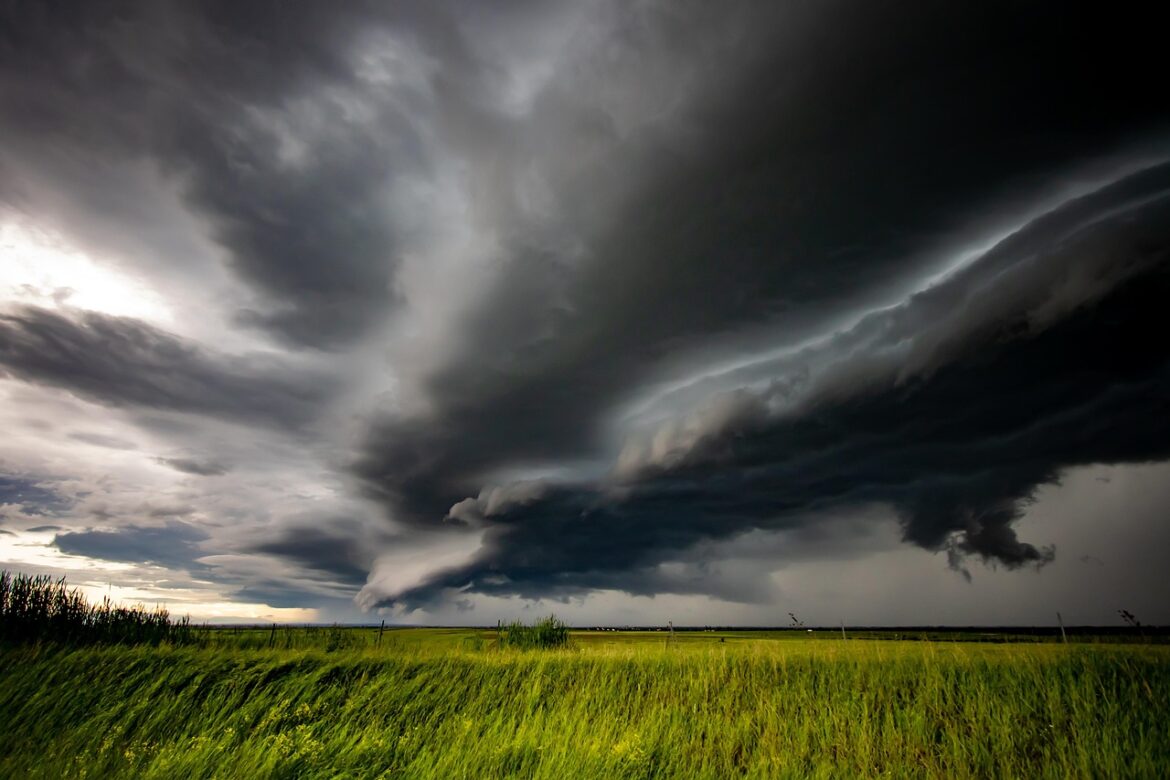
The New Reality: Weather as a Project Management Challenge
If you’ve worked on a construction site in the past few years, you’ve probably noticed something: unpredictable weather isn’t just an inconvenience anymore—it’s become a major threat to project schedules and budgets. Prolonged rainfall, unexpected storms, and extreme temperature swings are forcing project managers to rethink how they plan their work. The good news? Leading construction firms have discovered practical strategies that actually work.
Why Weather Matters More Than Ever
Think of weather as an invisible project constraint, similar to labor availability or material costs. Extreme weather events impact multiple areas at once: they delay tasks, disrupt labor schedules, ground equipment, and even affect supplier deliveries. In the UK construction industry alone, 2026 has brought unprecedented challenges from prolonged rainfall and unseasonal storms. For project managers, this means one thing: you can’t just hope for good weather anymore.
Real-World Solutions That Construction Firms Are Using
Adaptive Scheduling: Planning Around the Seasons
Rather than sticking rigidly to timelines, smart project teams now build in flexibility from the start. This means analyzing seasonal patterns and short-term weather forecasts before finalizing schedules. If heavy rains typically hit in March, you reschedule weather-sensitive activities for February or April. It sounds simple, but it requires upfront planning and coordination—exactly what separates successful projects from delayed ones.
Task Resequencing: Moving Work to Optimal Windows
Project managers are getting creative with task order. Instead of following a predetermined sequence, teams prioritize activities that can tolerate weather disruption and push weather-sensitive work—like concrete pouring or foundation work—into stable weather windows. This approach keeps crews productive even when conditions aren’t ideal for all activities.
Data-Driven Forecasting: Technology as Your Weather Partner
Digital forecasting tools and analytics platforms now integrate weather data directly into project planning systems. Imagine having real-time visibility into how a predicted storm might affect your schedule two weeks from now. Modern construction management systems allow teams to see these risks early and adjust labor plans, procurement timelines, and equipment allocation before problems occur. When a weather event actually happens, teams can make recovery decisions faster because they already have contingency plans in place.
Communication: The Glue That Holds It All Together
Here’s something that gets overlooked: weather management isn’t just about technology—it’s about people talking to each other. Site teams, subcontractors, suppliers, and leadership all need clear, aligned information about weather risks and acceptable working conditions. When procurement teams know about potential transport disruptions, they can arrange alternative routes or adjust delivery timing. When site teams get clear guidance on when work should stop, they avoid costly rework or safety issues.
The Bigger Picture: Investment in Resilience
Preventive equipment planning is another practical tactic. Firms that invest in weatherproofing equipment, securing materials, and planning for downtime reduce the damage when storms hit. It’s similar to maintaining your car regularly rather than waiting for it to break down—the upfront investment saves money later.
Integrated construction management systems play a central role in tying all these practices together. When scheduling, labor planning, procurement, and reporting live in a single platform with clean information flow, decision-making becomes faster and more coordinated. Leadership gets accurate visibility into schedule and cost exposure, allowing them to manage risk confidently rather than react to surprises.
Looking Ahead
As climate research confirms that extreme weather will remain a persistent factor, construction firms that embed weather awareness into their planning processes aren’t just protecting individual projects—they’re building organizational resilience. These measures won’t eliminate weather risk entirely, but they significantly reduce uncertainty and enable faster, smarter responses when conditions inevitably change.
The firms winning in today’s climate are those treating weather management as a core project management discipline, not an afterthought.
References:
- https://cmicglobal.com/resources/article/extreme-weather-the-construction-industry
- https://www.gmu.edu/news/2026-02/george-mason-researcher-leads-1-million-noaa-project-improve-seasonal-forecasts
- https://hamiltonsteelbuildings.com/impact-of-weather-on-uk-construction-2026/
- https://www.artemis.bm/news/weather-risk-management/
- https://www.esa.int/Applications/Observing_the_Earth/FutureEO/Space_for_our_climate/Revealed_10_new_insights_in_climate_science
- https://www.pik-potsdam.de/en/news/latest-news/global-warming-must-peak-below-2degc-to-limit-tipping-point-risks
- https://northumberlanddaily.ca/2026/02/21/cramahe-township-names-rob-lake-as-new-manager-of-environmental-services/